



Singapore's hawker culture: the “community dining room” of a multicultural city
In Singapore, a hawker centre is not merely somewhere to buy an affordable meal. It is the neighbourhood's shared dining room, where the smell of a hot wok, the calling of orders and the communal tables tell the story of a multicultural society.
Food is always in motion, following people, geography and the times. This article introduces one cultural practice; it does not treat a single image or a single menu as absolutely representative of every region, household and community.
From a dish to a cultural practice
Modern hawker centres grew out of an effort to move street vendors into spaces with clean water, sanitation and steady management. That process turned a way of making a living on the street into an accessible network of eating places, present from housing estates to the city centre.
In 2020, Singapore's hawker culture was inscribed by UNESCO on the Representative List of the Intangible Cultural Heritage of Humanity. What was recognised was not only the food, but the skills of the stallholders, the community's memory and the role these centres play in binding society together.
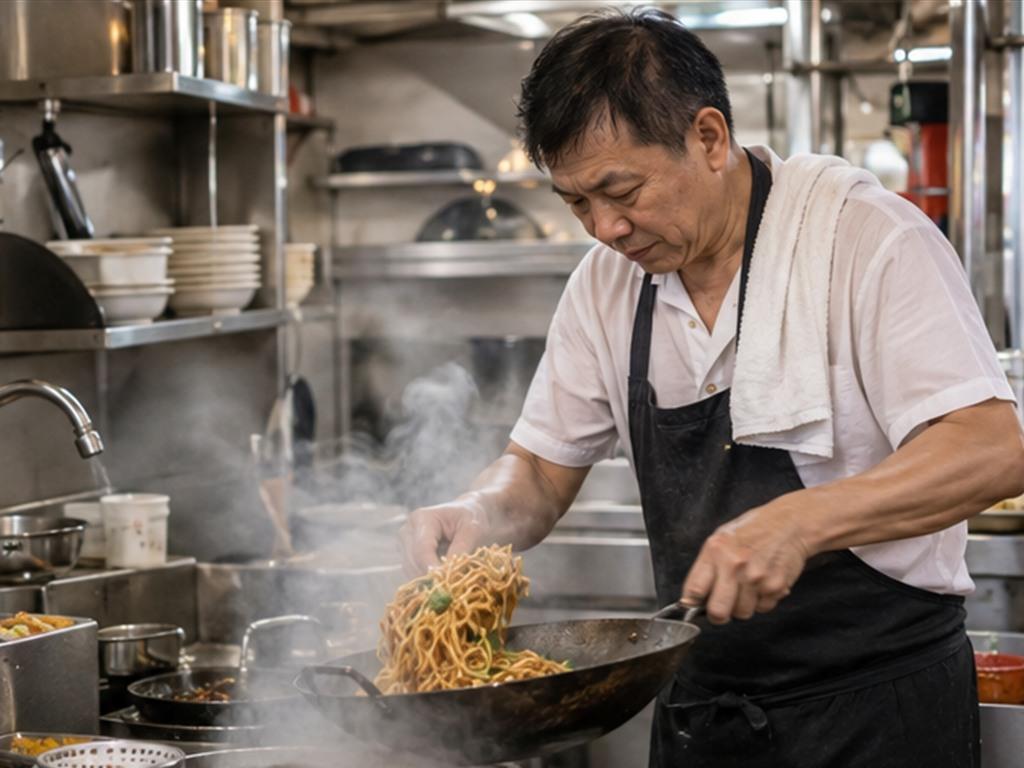
What is on the table?
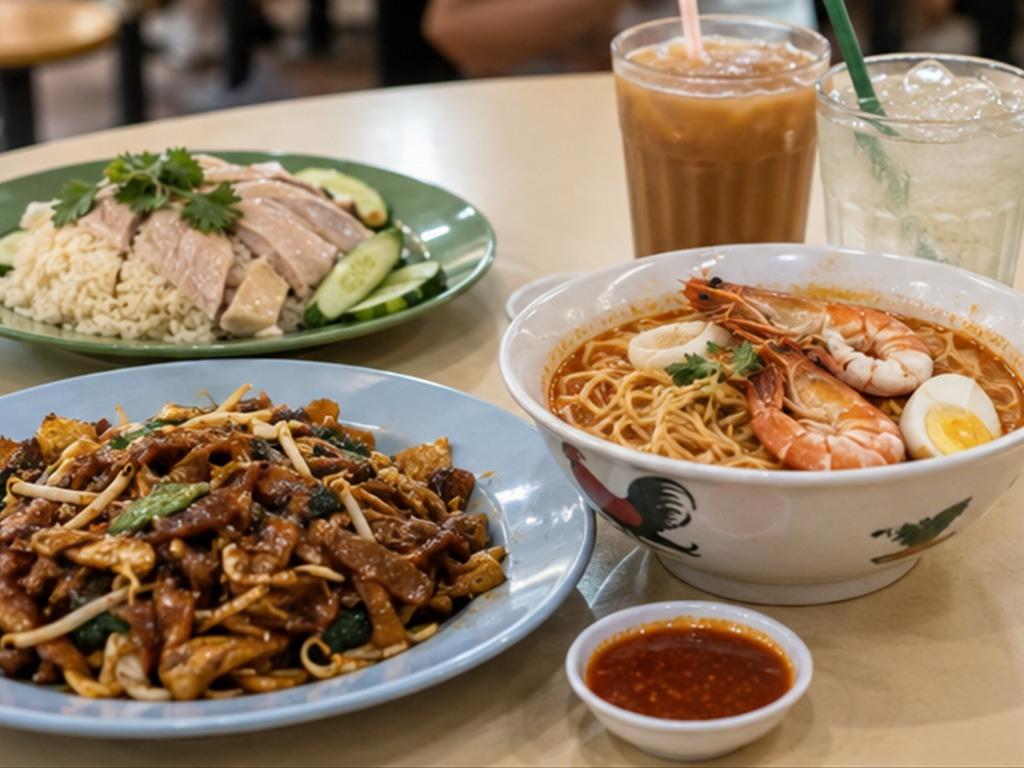
A round of a hawker centre might take in Hainanese chicken rice, laksa, nasi lemak, roti prata, satay, congee, fried noodles or a cold dessert. Chinese, Malay, Indian, Peranakan and many other imprints coexist, but each stall usually concentrates on a handful of dishes honed over years.
Quality does not lie in a long menu. Many stalls are known for making one dish over and over, adjusting the flame, the broth, the noodle-boiling time or the seasoning ratio until it becomes a rhythm in the hands. The queue in front is sometimes the most reliable word-of-mouth map there is.
The most interesting way to look at it is not counting how many dishes are on the table, but watching how the tastes, the textures and the temperatures support one another. What is served also changes with the season, the supply of ingredients, the budget and who is sitting around the table.
The rhythm of eating, and its courtesies
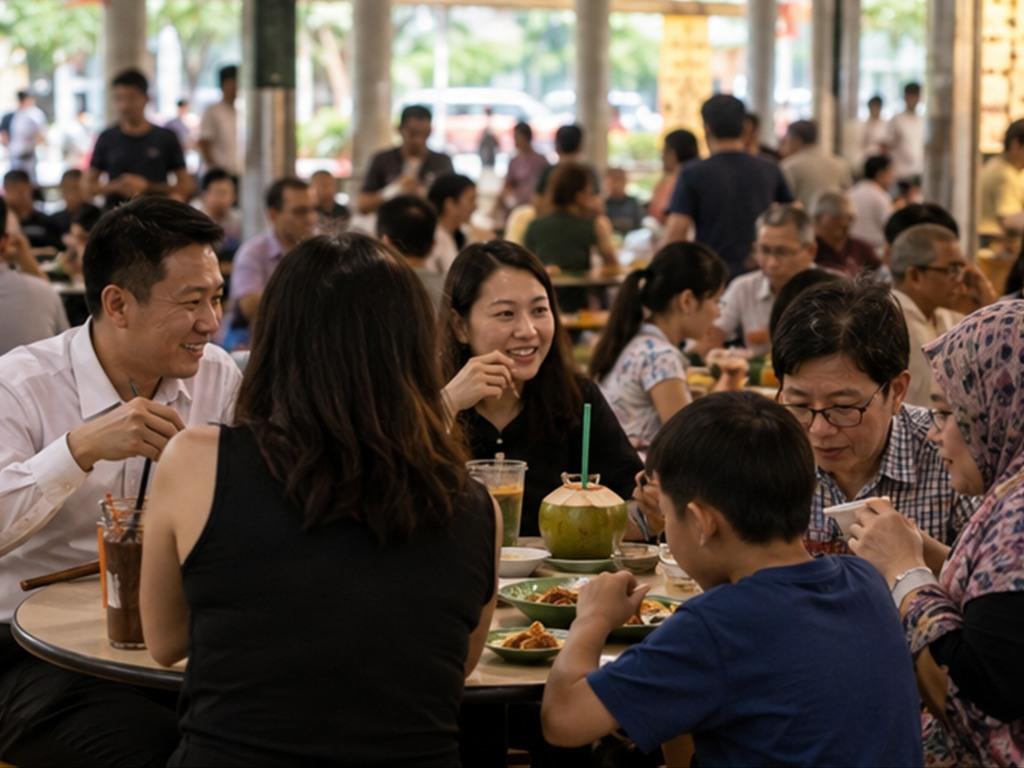
Shared tables put strangers next to one another and keep the meal from becoming formal. Office workers, older people, students and visitors can eat in the same space; that unpretentiousness is an important part of the experience.
One custom you will soon notice is “choping” a seat with a packet of tissues or a small object. Even so, visitors should read the signs and see how each place operates, not hold a table too long at peak times, and return their tray to the designated point.
Regional differences, and what is easily misunderstood
Not every eating area in Singapore should be called a hawker centre. A food court in a shopping mall may be comfortable and air-conditioned, but the ownership model, the prices and the rhythm of life there are different. A hawker centre is more closely tied to public life and to the history of street vending.
Nor is there a single “Singaporean taste”. The same dish name can come with a different sauce, a different level of heat, different noodles or different accompaniments from stall to stall. Respecting that diversity begins with naming the dish, the community and the cook's story correctly.
An experience shown on social media usually favours a handsome frame, while real life also holds hurried meals, plain tables and each household's own way of doing things. Using specific names, asking with curiosity and not judging by the standards you happen to be used to make an encounter with someone else's food fairer.
Suggestions for visitors
- Go outside peak hours if you want to talk and look around properly. Check the price board, queue in the right line, order a modest amount and ask in advance about allergens, pork, seafood or how hot a dish is.
- Pay in cash or by whatever method the stall accepts, return your tray after eating and leave the table clean for the next person. If you want a close photograph of a stallholder or of the cooking area, ask first.
- Order a modest amount, taste slowly and ask about the characteristic dishes rather than simply picking whatever is famous online. Respect the queue, the serving hours and the space of the people who live there.
- Ask permission before photographing people, a kitchen or a private ritual. If you share a post, name the dish and the place correctly rather than turning a whole culture into a stereotype.
Food safety is still the foundation
Washing hands, checking for allergens and keeping raw food apart from cooked are principles that do not change, however traditional a meal may be. For anything left at room temperature, and for seafood, eggs or meat, pay attention to how long it has been out and how it is being kept. Anyone with an underlying condition, who is pregnant or whose immunity is weakened should choose a suitable degree of cooking.
Visitors should state clearly if they are vegetarian, observe religious restrictions or have a serious allergy. Do not go by the look of a dish alone: broths, sauces and seasonings can contain seafood, nuts, dairy or animal products that are hard to spot.
Tradition inside modern life
The big challenge is succession: long hours, a hot environment and thin margins make the trade a hard sell to young people. Training programmes, support for stalls and digital payment can help, but passing on a feel for seasoning and the discipline of the craft still takes time.
Keeping hawker culture alive does not mean keeping everything unchanged. Ingredient costs, tastes and equipment all shift; what is worth protecting is the affordability, the craft knowledge, the diversity and the space where several generations go on eating side by side.
Preservation does not mean freezing a dish at some idealised moment. A community has the right to change its equipment, its portions and the way it serves. What matters is that the core knowledge is credited, that the people who practise the craft can make a living, and that the story is not detached from the very people keeping it alive.
If you want to recreate it at home
Start with a few main ingredients, look for a recipe from a cook or writer belonging to the community concerned, and say plainly which ingredients you substituted. A home version can be good without claiming to be “the most authentic”; being honest about your cooking conditions helps readers understand the culture better.
Set the table so everyone can take part, serve small portions and add more as needed, and make time to talk about where the food comes from. The spirit of communal food traditions usually lies in being present, in sharing and in looking after one another, rather than in a very long list of dishes.
Conclusion
In Singapore, a hawker centre is not merely somewhere to buy an affordable meal. It is the neighbourhood's shared dining room, where the smell of a hot wok, the calling of orders and the communal tables tell the story of a multicultural society. Once you understand the context, the courtesies and the contemporary changes, you take away more than a handsome photograph: you take away respect for the cooks and for the community that made the meal.


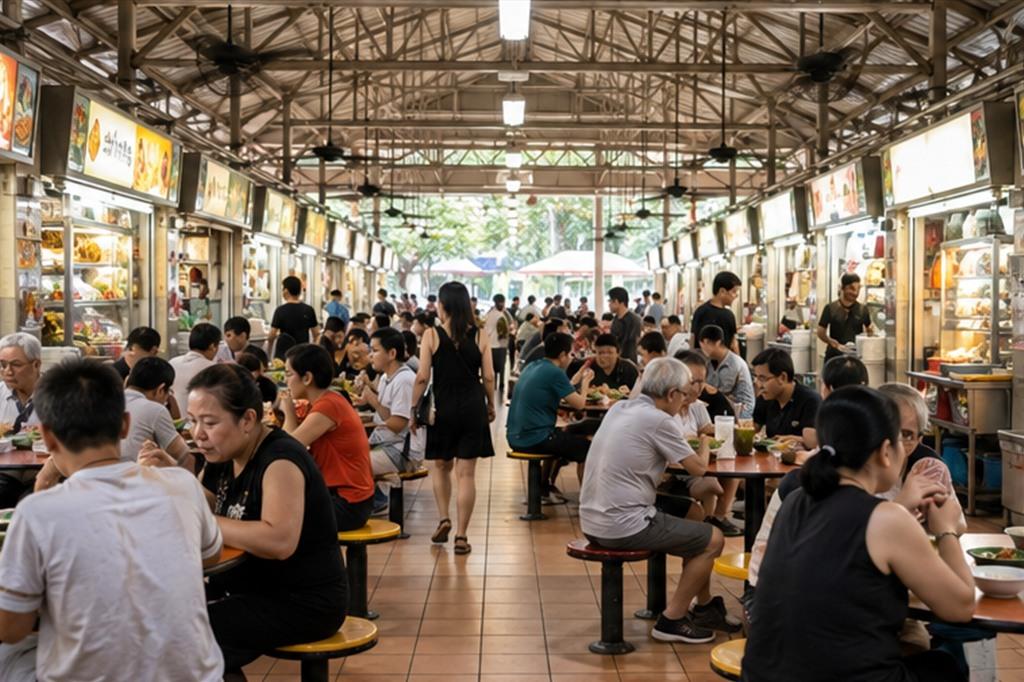 Singapore's hawker culture: the “community dining room” of a multicultural city
 Georgian khachapuri: cheese bread, the supra table and Caucasus hospitality
 Peruvian ceviche: the sea, lime and the moment freshness decides everything
 Swedish fika: why a cup of coffee can become a social pause
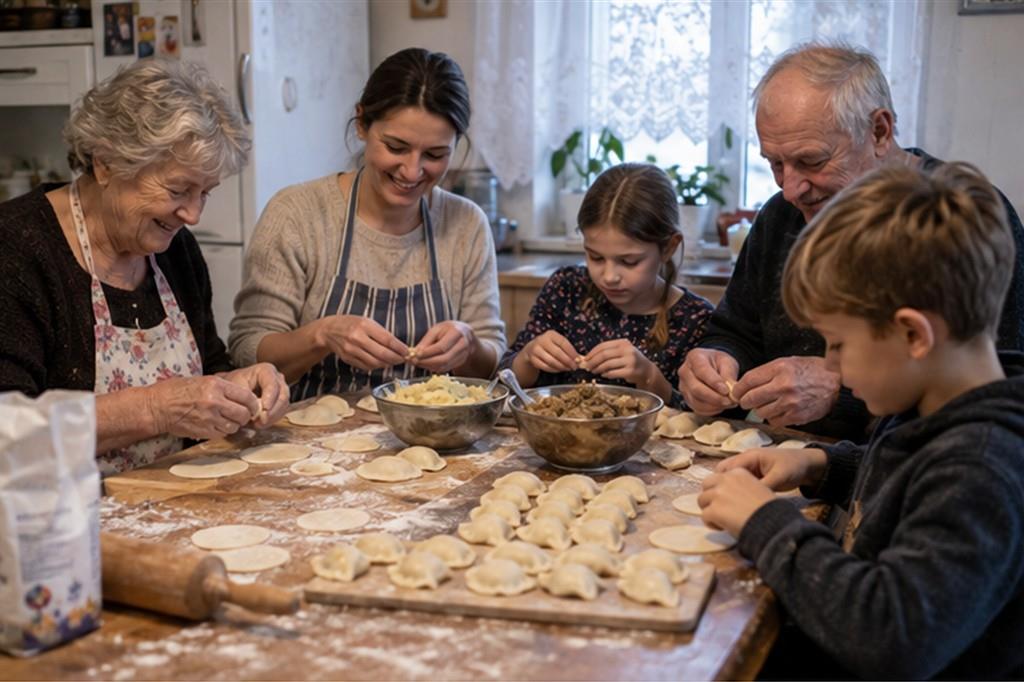 Polish pierogi: small folds of dough and the memory passed around a kitchen table
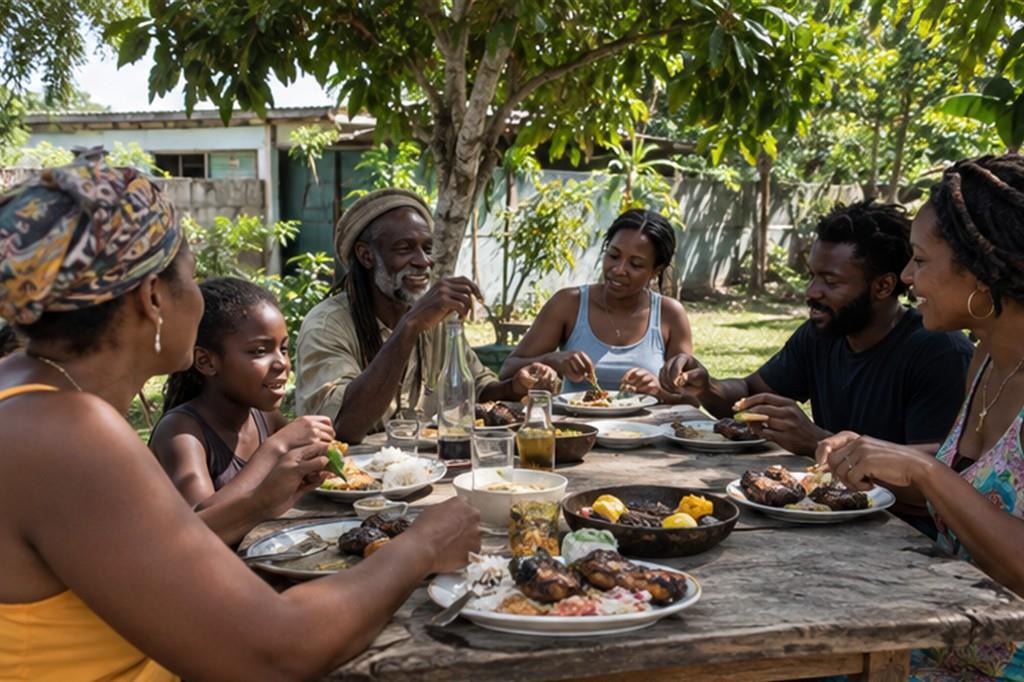 Jamaican jerk: the scent of pimento, the smoke pit and a community's living heritage
 Korean kimchi and banchan: the craft of fermentation and a table built on sharing
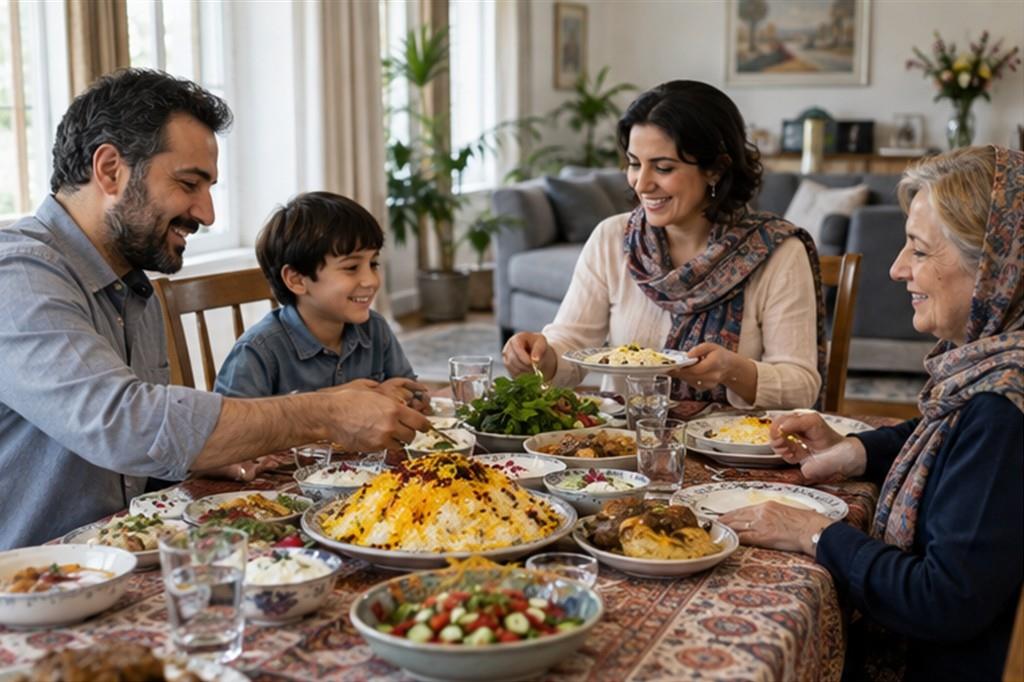 Persian rice and tahdig: saffron, a crisp bottom layer and the sofreh
Đăng nhập để bình luận: / Sign in to comment: