



Swedish fika: why a cup of coffee can become a social pause
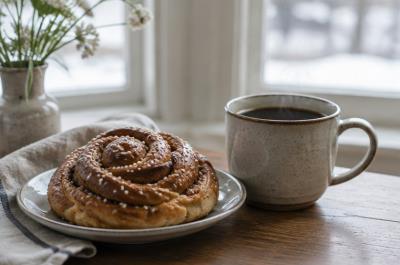
Fika is usually described as Sweden's coffee break, but its meaning lies in deliberately stopping work in order to meet one another. A cup of coffee, a cinnamon bun or something simple to eat gives the conversation a pretext without turning it into a meeting.
Fika can happen at home, in a cafe, at school or at work; there is not always a bun, and not everyone drinks coffee. When the idea is exported as a lifestyle, the minimalist imagery easily overshadows the essential part: time set aside for other people.
Quick facts
- Associated country: Sweden.
- Drink: usually coffee, but also tea or something else.
- To eat: a cinnamon bun, a pastry, a sandwich, or nothing at all.
- Setting: home, workplace, cafe and outdoors.
- Spirit: a deliberate pause, conversation and relative equality.
A pause with a shape to it
Once fika becomes a familiar rhythm, people do not have to wait until they are exhausted before leaving the screen. The pause is short enough to return to work afterwards, yet distinct enough for the mind and the conversation to change mode. Its value lies not in any promised productivity but in the right to a human moment in the day.
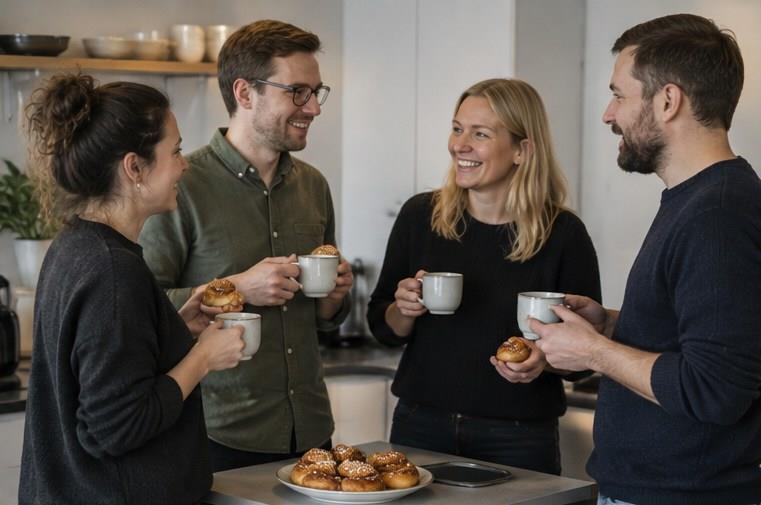
The cinnamon bun and the smell of spice
The rolled bun, usually with cinnamon or cardamom, is the familiar image of fika. Yeasted dough needs time to rise and some skill in shaping, while the smell of the spice ties the kitchen to cold weather. Even so, turning fika into an obligation to eat something sweet ignores both its flexibility and individual health needs.
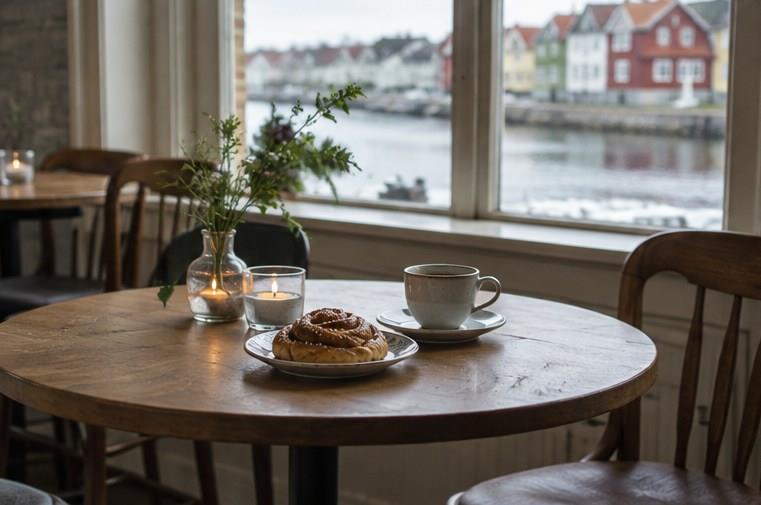
An equal space around the coffee cup
At work, a conversation during a break can shorten the distance between job titles. This does not happen automatically; if someone has to serve, clear up or cannot leave their post, then the fika is not really shared. A social tradition only lasts when the preparation is divided fairly.
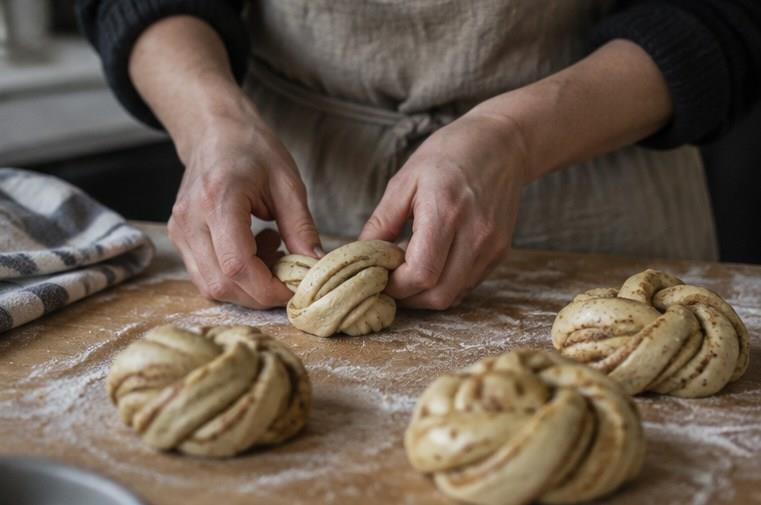
The cafe and the home
A cafe offers convenience, while fika at home has a more intimate pace. The table needs no elaborate styling: comfortable light, somewhere to sit and putting the phone away may matter more than a handsome set of cups. The coffee cup is a prop for being present, not the only character in the scene.
Taking the spirit of fika somewhere else
There is no need to copy the buns or the Nordic interiors. A group can agree on fifteen minutes with Vietnamese tea, fruit or plain water, as long as work genuinely stops and the break does not turn into a progress report. Saying clearly that this is a practice inspired by fika helps avoid commercialising a cultural label.
How to look at a living tradition
No region or community should be reduced to a single recipe. Ingredients, names and ways of serving shift with the season, the family, religion, occupation and patterns of migration. What is shared shows a history of exchange; what differs shows the capacity to adapt.
When you go and try it, use the right name for the dish and the region if you know them, listen to the people making it, ask before photographing private spaces, and avoid treating the word “authentic” as an absolute stamp. A new version still has value as long as it says what has changed and respects the people who keep the craft alive.
Common misunderstandings
Fika is just coffee and a bun
The food is the means; time and relationships are the centre of it.
Fika is always perfectly relaxed
It can still be rushed, exclusive or turn into an obligation if the environment does not support it.
Practical suggestions and things to try
- Pick a length that suits the group.
- Keep meetings and screens out of the break.
- Offer caffeine-free and low-sugar options.
- Share the preparing and the clearing up.
- Do not press anyone into personal conversation.
- Keep the rhythm regular but flexible.
- Focus on being present rather than on decoration.
Observation checklist
- What context, season and audience is being talked about?
- Which details are facts, and which are impressions or personal choices?
- How do the ingredients, tools or setting affect the outcome?
- Are there any safety, allergy, cost or privacy risks to check?
- What small thing could you try today and review later?
Important note
Anyone sensitive to caffeine should choose a suitable drink and avoid having it late in the day; sweets are not a required part of fika.
Conclusion
Fika is a reminder that a break need not be an empty, useless gap. When a cup of coffee opens up enough slow time to look at and listen to the person opposite, that ordinary thing becomes a small but durable social institution.


 Swedish fika: why a cup of coffee can become a social pause
 Polish pierogi: small folds of dough and the memory passed around a kitchen table
 Jamaican jerk: the scent of pimento, the smoke pit and a community's living heritage
 Korean kimchi and banchan: the craft of fermentation and a table built on sharing
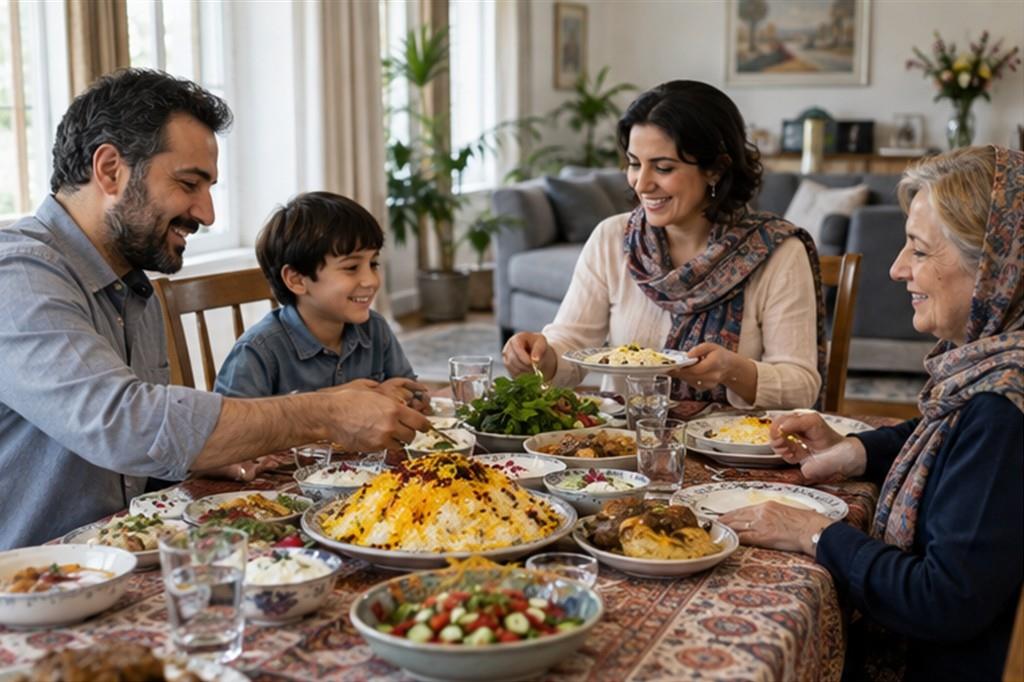 Persian rice and tahdig: saffron, a crisp bottom layer and the sofreh
 Moroccan couscous and tagine: rhythm, hospitality and the flavours of North Africa
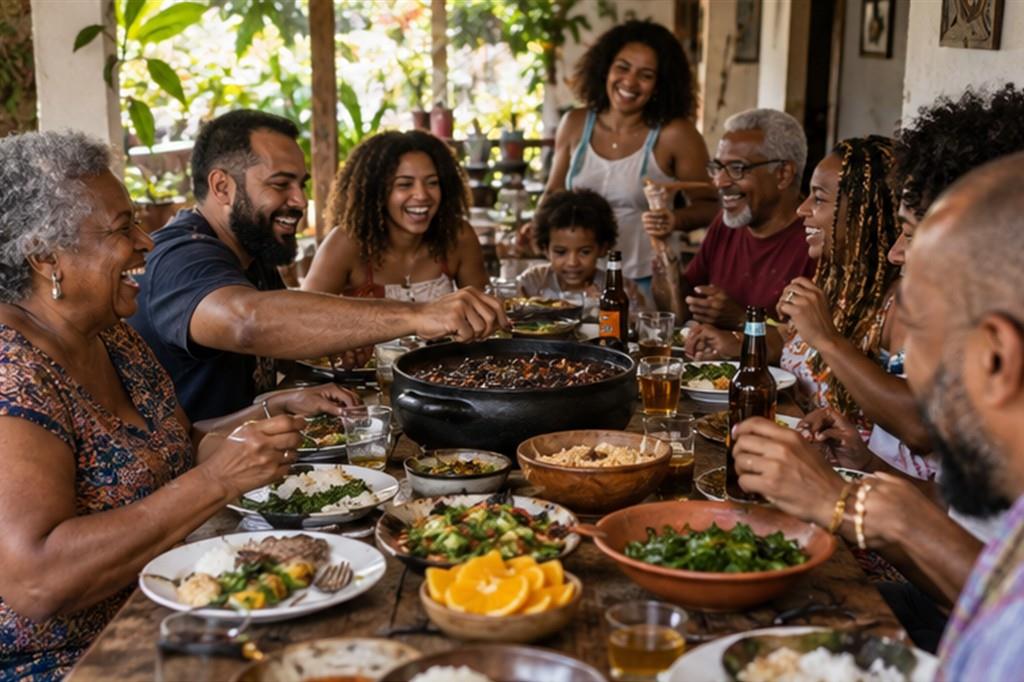 Brazilian feijoada: a pot of black beans, a weekend lunch and a story with many roots
 The Indian thali: a balanced tray that tells a regional story and a way of eating together
Đăng nhập để bình luận: / Sign in to comment: