



The Indian thali: a balanced tray that tells a regional story and a way of eating together
Thali is not the name of one dish but a way of arranging several portions on a single tray. Rice or bread, dal, vegetables, something sour, yoghurt and a sweet create a rhythm of changing flavours; the components vary widely by region, religion, season and household economy.
India is so large and so varied that no single image of a thali can stand for the whole country. Trays from Gujarat, Rajasthan, Bengal or the south each have their own grains, spices and conventions. The best way to understand a thali is to ask where it belongs, whether it is an everyday meal or a festive one, and who prepared it.
Quick facts
- Form: several small dishes on a metal tray, a leaf or another material.
- Starches: rice, roti and many regional breads.
- Components: dal, vegetables, something sour, yoghurt, chutney and a sweet depending on the meal.
- Diet: it may be vegetarian or include meat; do not assume.
- How it is eaten: each mouthful combines flavours, sometimes eaten with the right hand.
The tray as a map
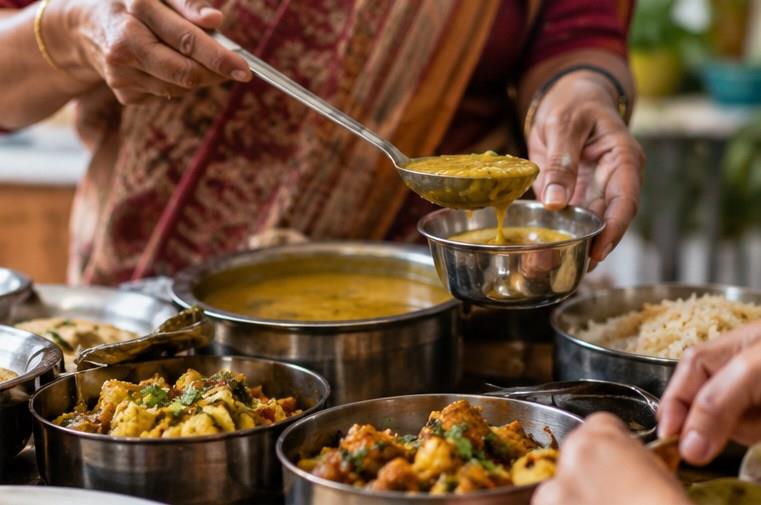
The placing of each bowl lets the diner see the whole structure before starting. Dry dishes, wet ones and the small condiments are kept apart so that every mouthful can have different proportions. Abundance does not necessarily mean extravagance; an everyday thali may have few items and still balance grain, pulses and vegetables.
Grains change with the climate
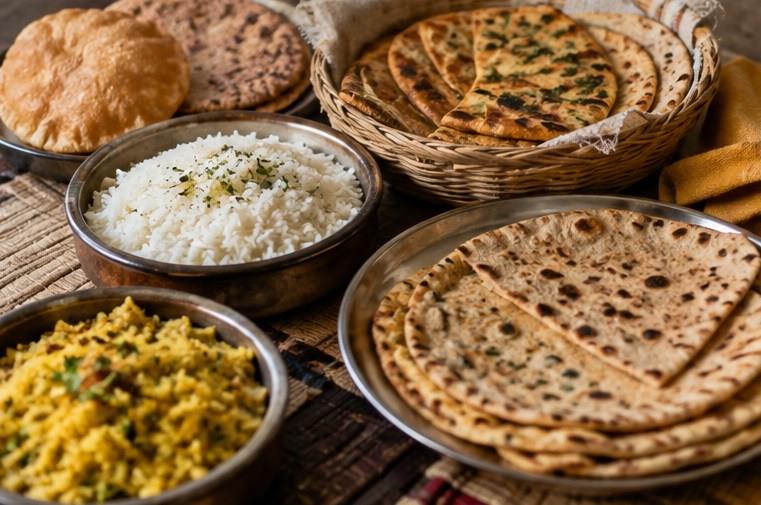
Wheat is common across much of the north, rice stands out in many eastern and southern areas, and millets and other drought-tolerant grains matter greatly in dry regions. Using naan alone to stand for every Indian meal therefore leaves out a whole range of rotis, dosas, rice dishes and local breads.
Dal is not just a bowl of soup
Dal can refer both to the pulses themselves and to the dish made from them. The variety, the thickness, the aromatic spices and the finish with hot oil all differ. Eaten with rice or bread, dal brings moisture, plant protein and a base flavour that links the vegetable, sour and spicy dishes around the tray.
Eating with your hand is a sensory skill
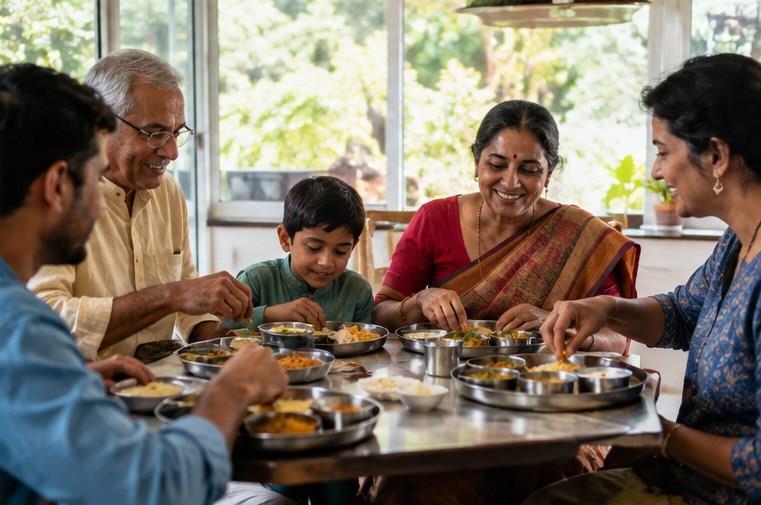
Where it is appropriate, diners use the right hand to mix a little rice with a dish, form a mouthful of the right size and bring it to the mouth. The hand senses heat and texture, but it must be washed before and after the meal. A guest should watch the host; using cutlery is perfectly normal wherever it is provided.
Hospitality and personal limits
Whoever is serving may press more food on you as a sign of generosity. A guest can accept a little or decline politely once they have had enough. Asking about heat, dairy, nuts, gluten and whether something is vegetarian before you eat avoids misunderstandings; the same dish name does not guarantee the same recipe.
How to look at a living tradition
No region or community should be reduced to a single recipe. Ingredients, names and ways of serving shift with the season, the family, religion, occupation and patterns of migration. What is shared shows a history of exchange; what differs shows the capacity to adapt.
When you go and try it, use the right name for the dish and the region if you know them, listen to the people making it, ask before photographing private spaces, and avoid treating the word “authentic” as an absolute stamp. A new version still has value as long as it says what has changed and respects the people who keep the craft alive.
Common misunderstandings
A thali is a fixed menu
It is a flexible structure that changes with the region, the restaurant, the household and the occasion.
Every thali is very spicy
Heat is only one dimension; aroma, sourness, richness, sweetness, bitterness and astringency all work together to make the balance.
Practical suggestions and things to try
- Ask which region the thali comes from.
- Start with a small amount of each dish.
- Mention any allergy to dairy, nuts or gluten.
- Do not assume a vegetarian dish contains no dairy.
- Watch first before eating with your hand.
- Accept refills within your appetite so nothing is wasted.
- Use the right name for each dish when you know it.
Observation checklist
- What context, season and audience is being talked about?
- Which details are facts, and which are impressions or personal choices?
- How do the ingredients, tools or setting affect the outcome?
- Are there any safety, allergy, cost or privacy risks to check?
- What small thing could you try today and review later?
Important note
Common allergens include dairy, nuts, gluten and mustard; a vegetarian dish may still use ghee or yoghurt.
Conclusion
A thali is compelling because the whole meal appears as a system: each part keeps its own character yet is only complete when it meets the others. The best way to enjoy it is to go slowly, ask the names, and let regional variety replace any simple idea of “Indian food”.


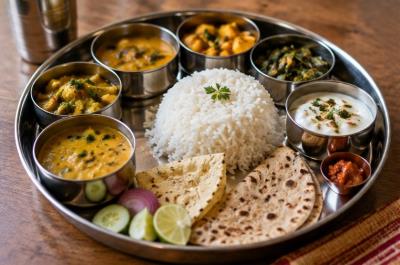 The Indian thali: a balanced tray that tells a regional story and a way of eating together
 Danish smørrebrød: the open sandwich and the art of composing a lunch
 Swiss raclette: melted cheese and a shared table in the cold season
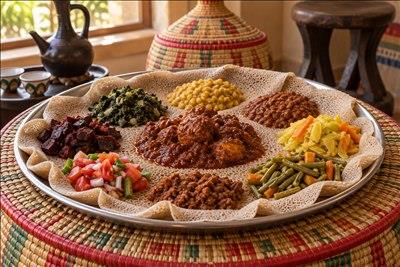 Injera in Ethiopia and Eritrea: the shared platter that binds a community
 Italian aperitivo: the pause at the end of the day, between a drink and a conversation
 West African jollof: a pot of red rice, memories of home and a proud argument
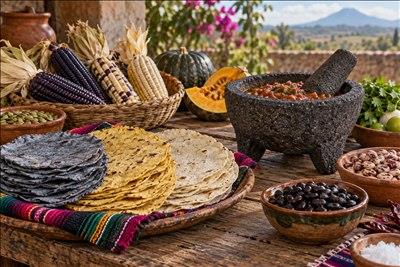 Mexican corn and the tortilla: how nixtamalisation feeds an entire cuisine
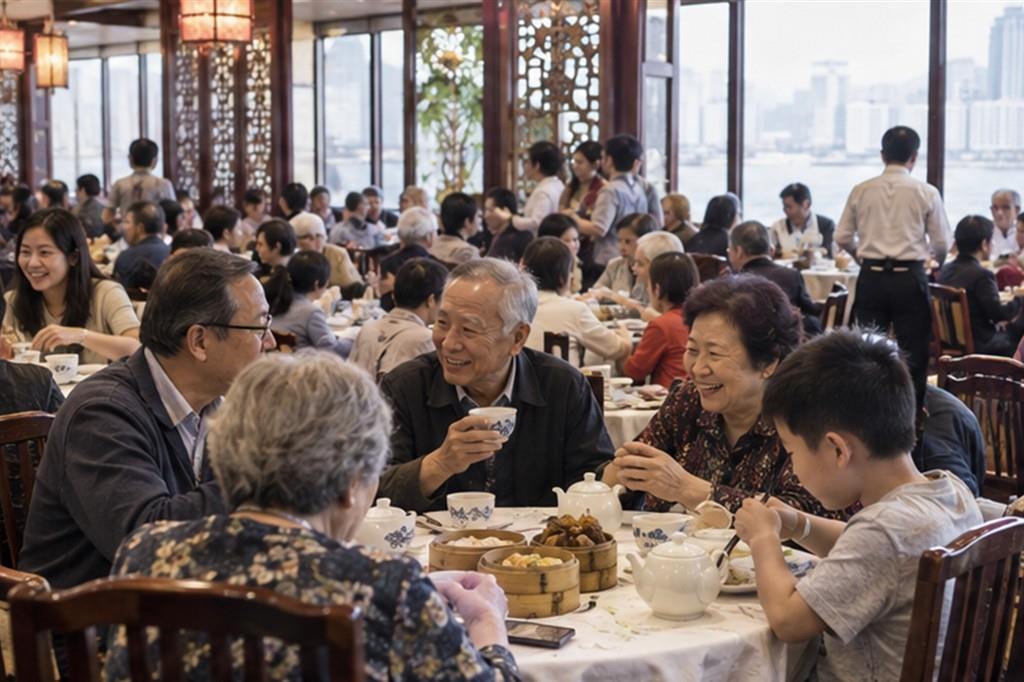 Yum cha in Hong Kong: drinking tea, eating dim sum and keeping the rhythm of morning meetings
Đăng nhập để bình luận: / Sign in to comment: