



Turkish kahvaltı: a long breakfast beside hot tea and a spread of small plates
Kahvalti is breakfast, but not merely a way of filling the stomach before the day begins. When a crowd of small plates appears around the teapot, people in Turkey turn the morning into time for talking, for offering each other a taste and for being unhurriedly together.
Food is always in motion, following people, geography and the times. This article introduces one cultural practice; it does not treat a single image or a single menu as absolutely representative of every region, household and community.
From a dish to a cultural practice
The word kahvalti is usually explained from “kahve” and “altı”, implying what is eaten before coffee. These days, though, black tea poured into small glass cups is what runs right through the meal, and coffee may come afterwards.
A weekday breakfast may be brief: bread, cheese, olives and tea. The weekend table, or one laid for guests, is usually more generous. So the images of dozens of plates you see online are a hospitable and leisurely version, not a standard every household is obliged to meet each morning.
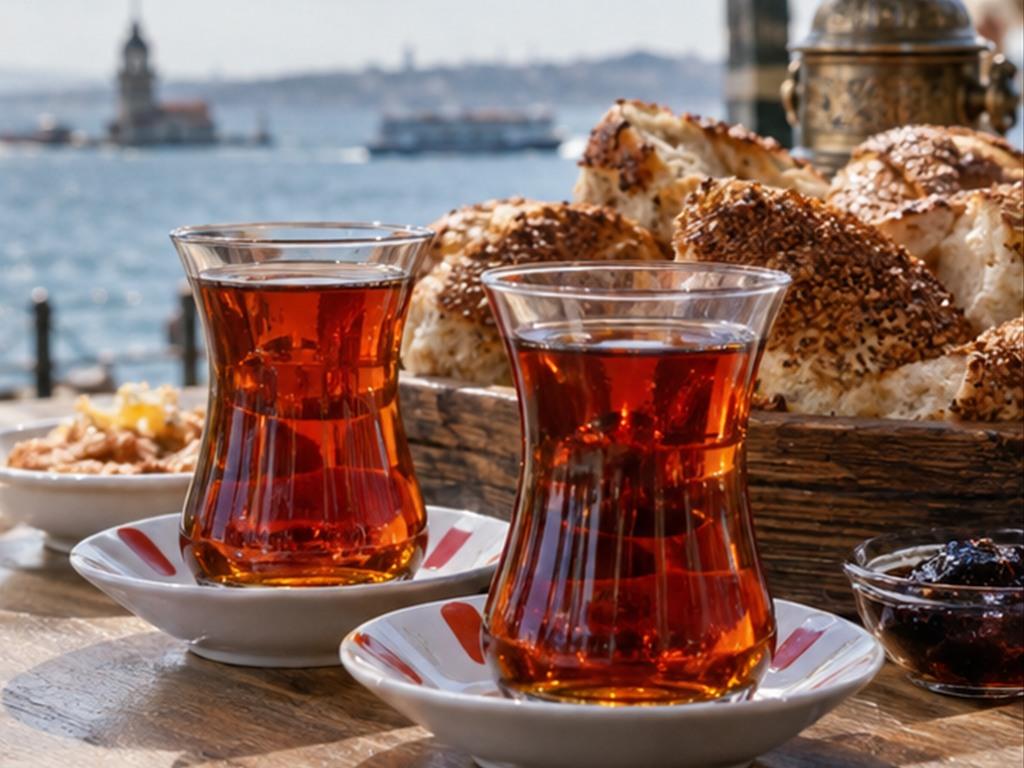
What is on the table?
A familiar kahvalti table might hold several cheeses, green and black olives, tomato, cucumber, honey, jam, butter, eggs, bread and tea. Menemen with egg, tomato and pepper; layered börek; sesame-covered simit; or pan-fried sucuk make the meal warmer and heartier.
The interest lies in contrast: the salt of the cheese and the olives against the sweetness of the honey and jam; fresh vegetables lightening the bread and the eggs. Each person builds their own small mouthfuls, changing rhythm constantly rather than working through the dishes in a fixed order.
The most interesting way to look at it is not counting how many dishes are on the table, but watching how the tastes, the textures and the temperatures support one another. What is served also changes with the season, the supply of ingredients, the budget and who is sitting around the table.
The rhythm of eating, and its courtesies
Plates set in the middle of the table encourage sharing. The host usually keeps the tea coming, offers more bread and lets the conversation run on. Declining politely when you have had enough is perfectly normal, but tasting a little of what is offered is usually seen as answering the hospitality.
Bread acts as a bridge between the plates: it carries the soft cheese, the jam or the sauce. Use the serving utensils if there are any, do not put a knife or spoon you have already used into a shared dish, and keep an eye on what the others at the table need.
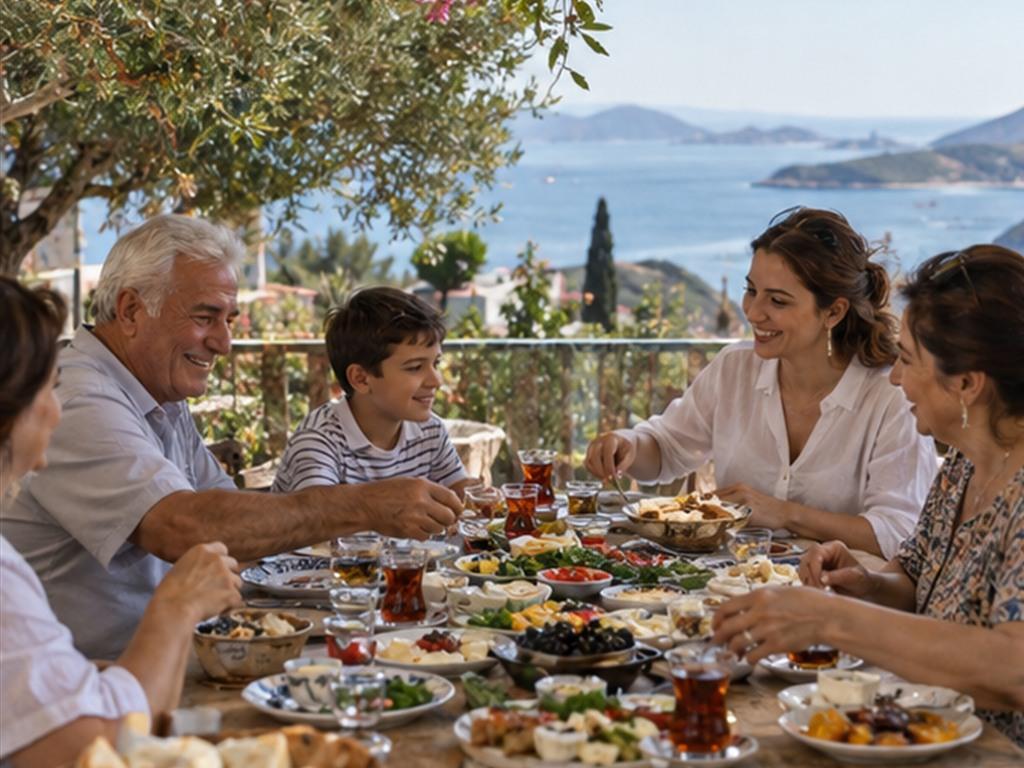
Regional differences, and what is easily misunderstood
Kahvalti varies a great deal by region. Van is known for an abundant breakfast culture; the Aegean may lean on herbs and olive oil; elsewhere the local cheese, kaymak cream or a characteristic egg dish stands out. No single table represents the whole of Turkey.
Calling kahvalti a “buffet” misses its spirit. There may be a lot of dishes, but the point is sharing, the quality of the ingredients and the time spent together, not taking as much as possible or eating as fast as possible.
An experience shown on social media usually favours a handsome frame, while real life also holds hurried meals, plain tables and each household's own way of doing things. Using specific names, asking with curiosity and not judging by the standards you happen to be used to make an encounter with someone else's food fairer.
Suggestions for visitors
- If you order a set for several people, ask about the portions beforehand so nothing goes to waste. Taste from the lighter items towards the stronger ones, sip the tea, and give time to the local specialities instead of simply hunting for the table with the most plates.
- Say if you are allergic to dairy, egg, sesame or nuts, and ask about the meat if you have religious or dietary requirements. Do not disturb the shared plates with your own cutlery, and ask permission before photographing the people at your table.
- Order a modest amount, taste slowly and ask about the characteristic dishes rather than simply picking whatever is famous online. Respect the queue, the serving hours and the space of the people who live there.
- Ask permission before photographing people, a kitchen or a private ritual. If you share a post, name the dish and the place correctly rather than turning a whole culture into a stereotype.
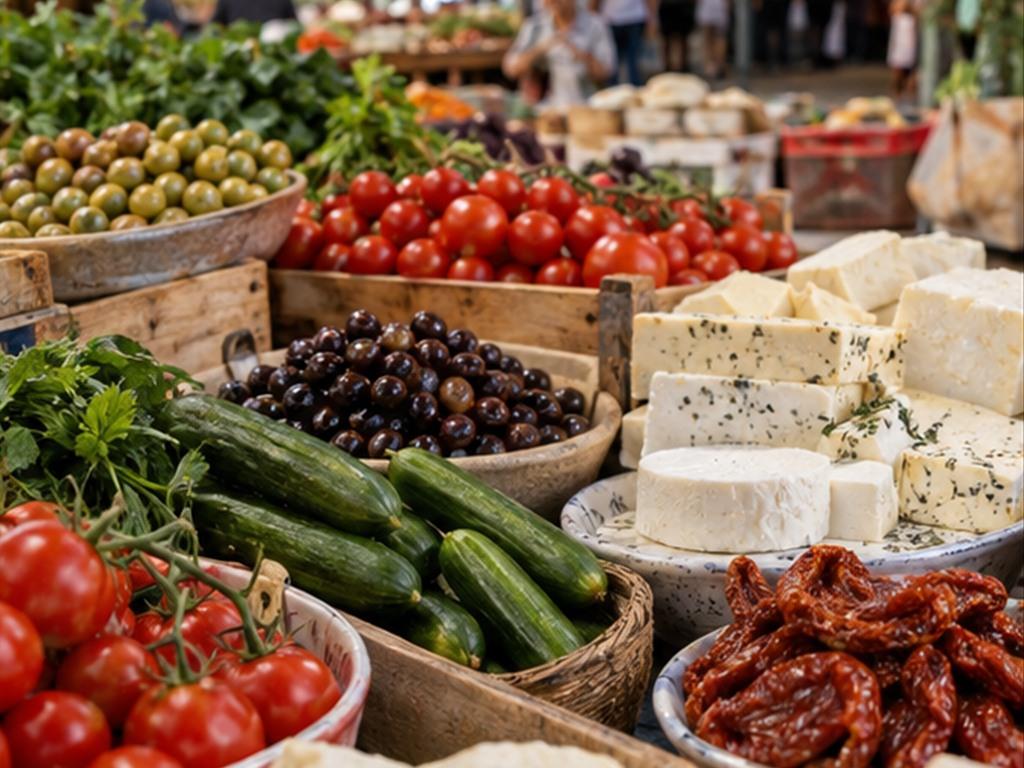
Food safety is still the foundation
Washing hands, checking for allergens and keeping raw food apart from cooked are principles that do not change, however traditional a meal may be. For anything left at room temperature, and for seafood, eggs or meat, pay attention to how long it has been out and how it is being kept. Anyone with an underlying condition, who is pregnant or whose immunity is weakened should choose a suitable degree of cooking.
Visitors should state clearly if they are vegetarian, observe religious restrictions or have a serious allergy. Do not go by the look of a dish alone: broths, sauces and seasonings can contain seafood, nuts, dairy or animal products that are hard to spot.
Tradition inside modern life
Urban kahvalti places turn breakfast into a weekend outing, sometimes presented very elaborately to suit social media. This creates opportunities for regional produce, but it can also increase food waste if value is measured by the number of plates.
A responsible modern approach is to serve small portions, allow refills and say where the cheese, the olives and the honey come from. A breakfast can still look beautiful while keeping its focus on the people who produced the ingredients and on the gathering around the table.
Preservation does not mean freezing a dish at some idealised moment. A community has the right to change its equipment, its portions and the way it serves. What matters is that the core knowledge is credited, that the people who practise the craft can make a living, and that the story is not detached from the very people keeping it alive.
If you want to recreate it at home
Start with a few main ingredients, look for a recipe from a cook or writer belonging to the community concerned, and say plainly which ingredients you substituted. A home version can be good without claiming to be “the most authentic”; being honest about your cooking conditions helps readers understand the culture better.
Set the table so everyone can take part, serve small portions and add more as needed, and make time to talk about where the food comes from. The spirit of communal food traditions usually lies in being present, in sharing and in looking after one another, rather than in a very long list of dishes.
Conclusion
Kahvalti is breakfast, but not merely a way of filling the stomach before the day begins. When a crowd of small plates appears around the teapot, people in Turkey turn the morning into time for talking, for offering each other a taste and for being unhurriedly together. Once you understand the context, the courtesies and the contemporary changes, you take away more than a handsome photograph: you take away respect for the cooks and for the community that made the meal.



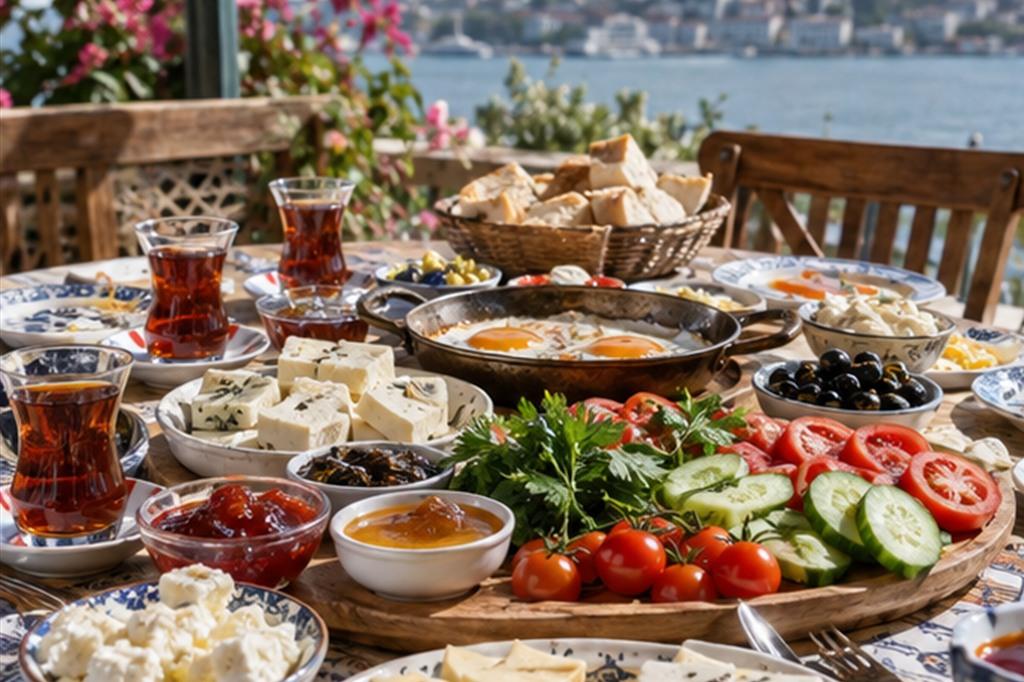 Turkish kahvaltı: a long breakfast beside hot tea and a spread of small plates
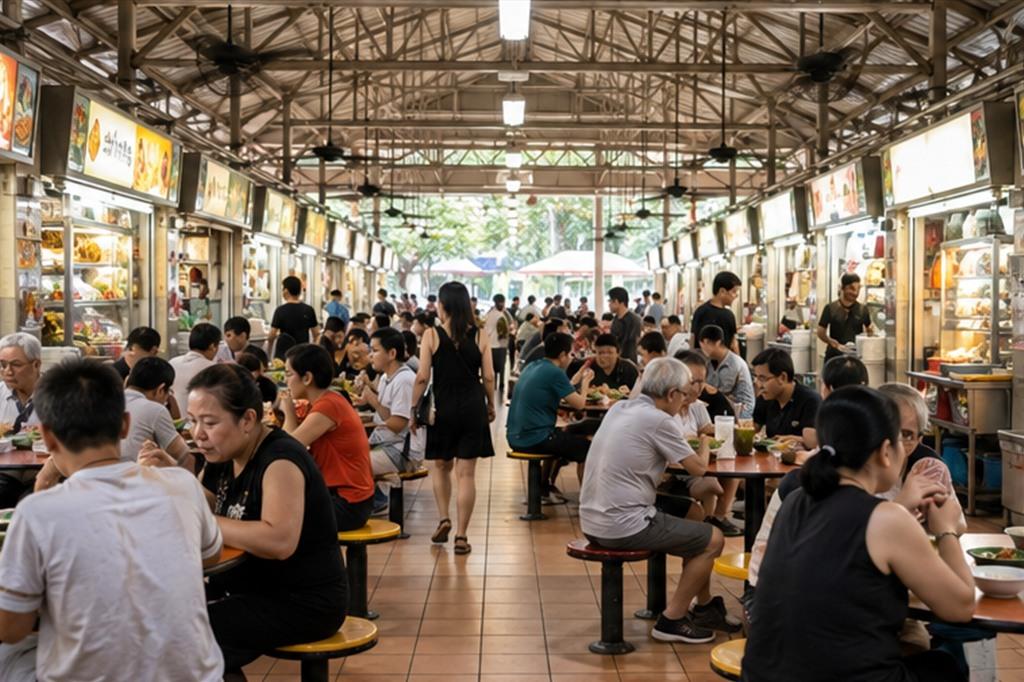 Singapore's hawker culture: the “community dining room” of a multicultural city
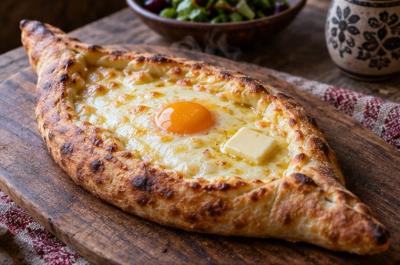 Georgian khachapuri: cheese bread, the supra table and Caucasus hospitality
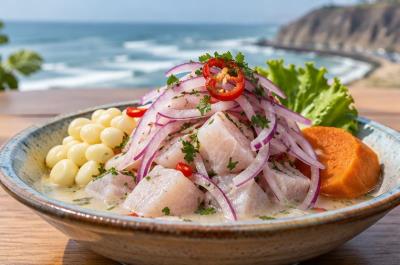 Peruvian ceviche: the sea, lime and the moment freshness decides everything
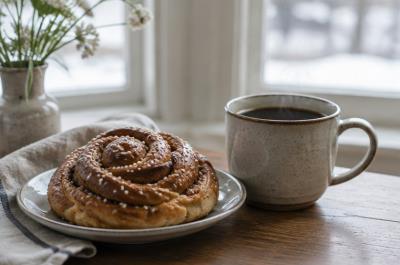 Swedish fika: why a cup of coffee can become a social pause
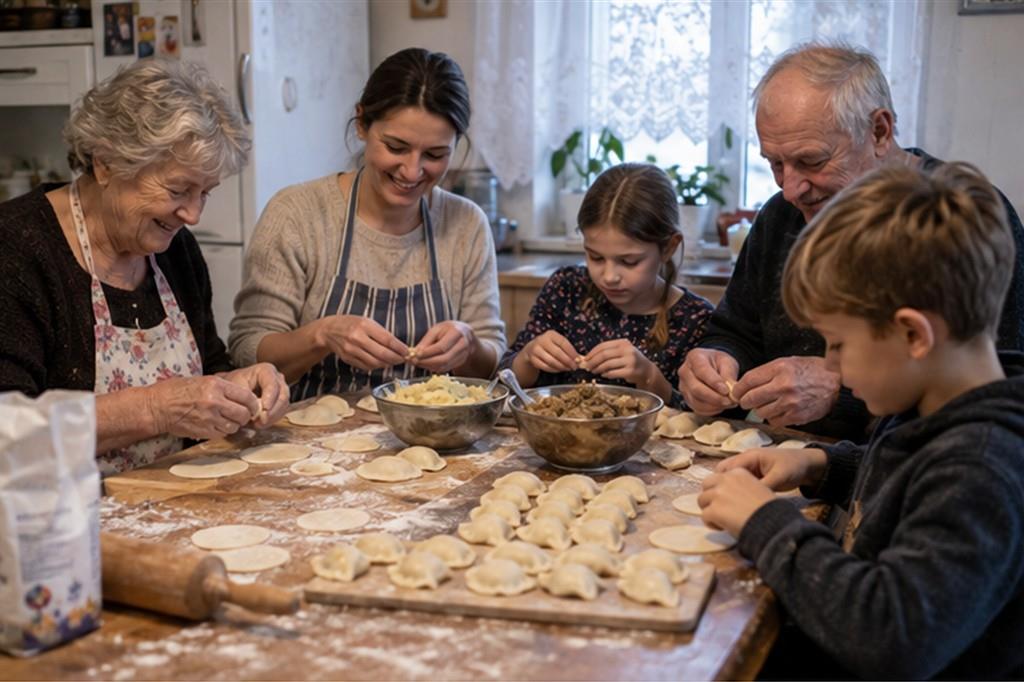 Polish pierogi: small folds of dough and the memory passed around a kitchen table
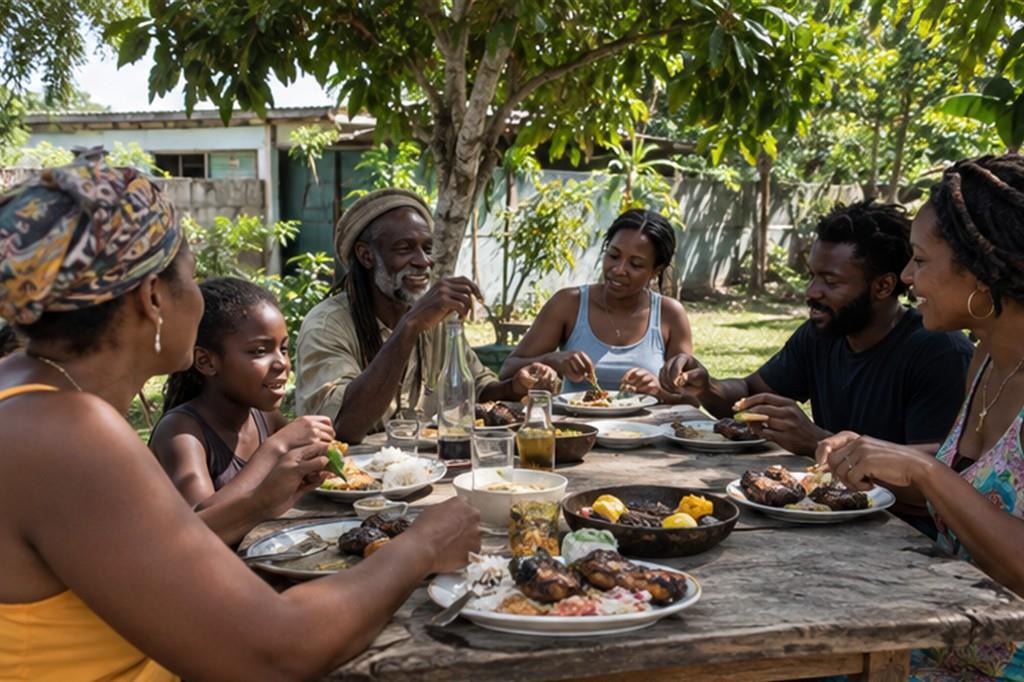 Jamaican jerk: the scent of pimento, the smoke pit and a community's living heritage
 Korean kimchi and banchan: the craft of fermentation and a table built on sharing
Đăng nhập để bình luận: / Sign in to comment: