



Impressions of Thành Nam
One of the cities in the Northern region that evokes the most emotions in me is perhaps Nam Dinh.
When mentioning Nam Dinh, the first thought that springs to mind is that it is the birthplace of pho—that light, subtle taste of pho often described by famous writers in the street vendor pho stalls of the past. It is also home to the Nam Dinh Textile Factory, famous for its floral twill fabrics used as duvet covers that I, or anyone born in the 60s, 70s, 80s, grew accustomed to sleeping under; even now, I vividly remember the cozy feeling of being covered by that warm blanket. Then there were floral-printed fabrics used to tailor round-neck or pointed-collar shirts for work, paired with shiny black silk trousers, while farmers wore simple brown cotton clothes. Everyone dressed like that and wore conical hats to work like a uniform, the only difference being the color of the floral patterns.
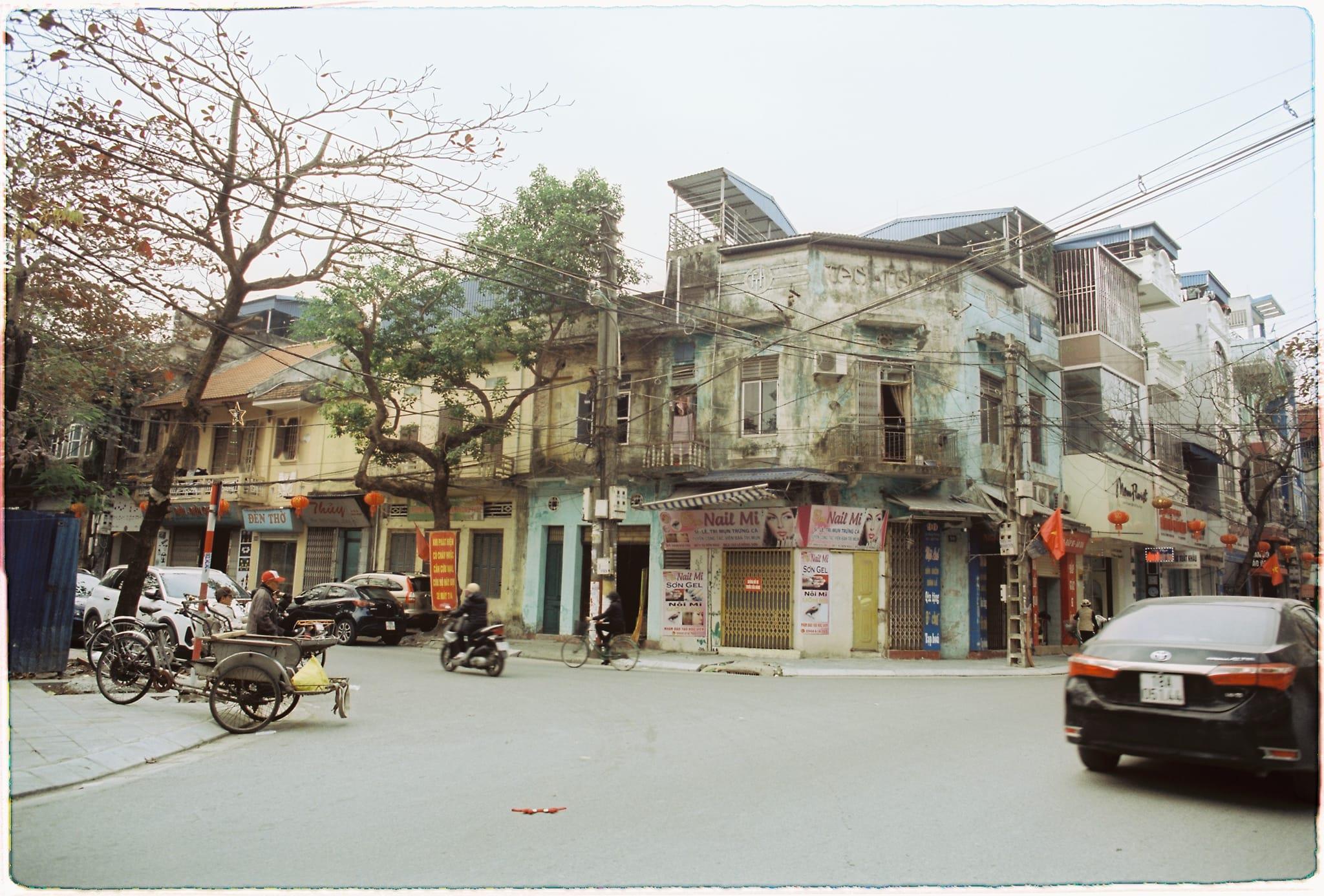
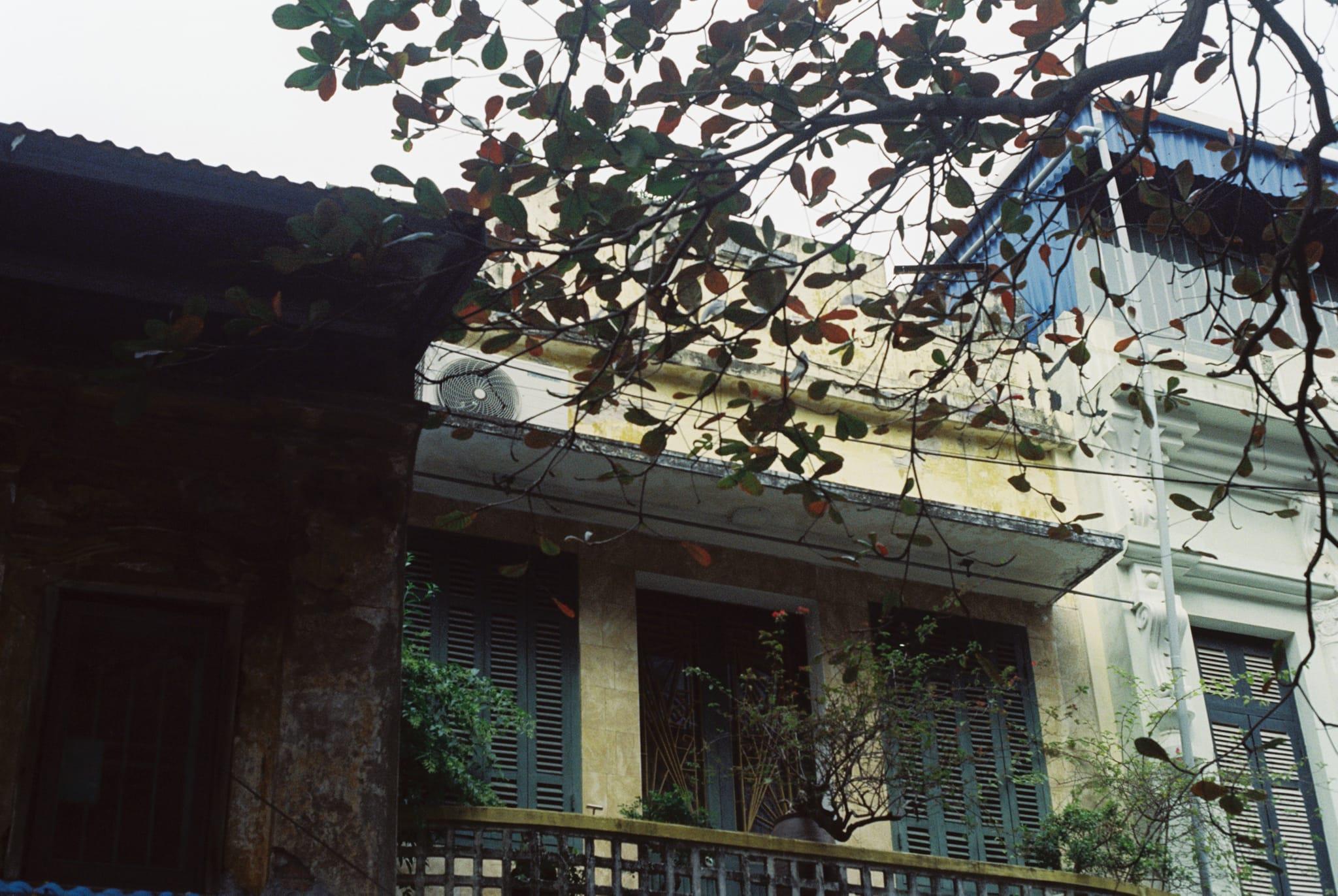
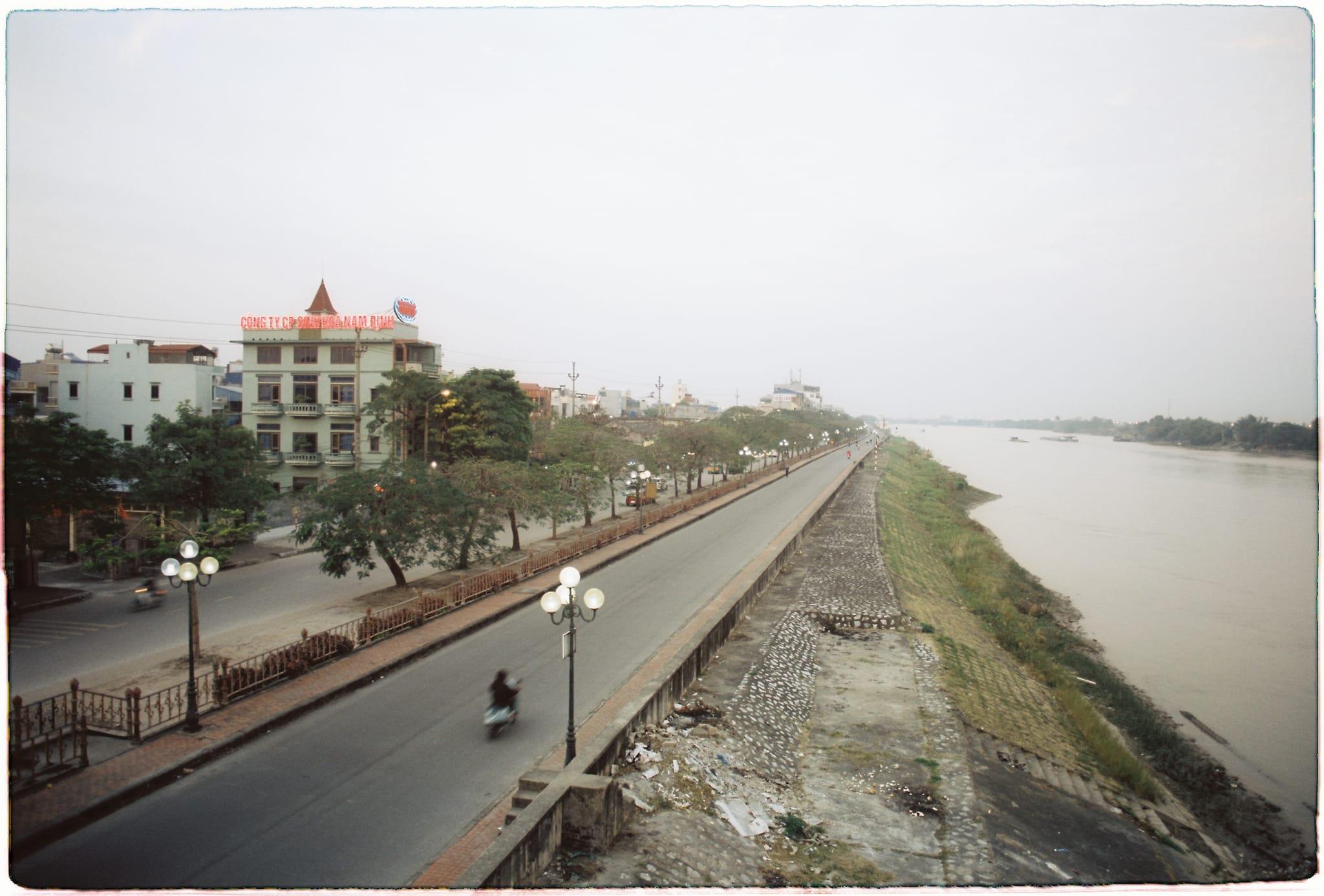
Strolling through the old streets of Thanh Nam, a surprisingly peaceful feeling suddenly washes over me. Thanh Nam has an atmosphere very much like Hanoi's Old Quarter. There are crisscrossing trade streets, narrow roads flanked by skinny tropical almond trees. In winter, the trees shed their leaves, leaving a few red leaves adding charm to the old street; in spring, fresh young buds burst forth with vitality, looking wonderfully peaceful.
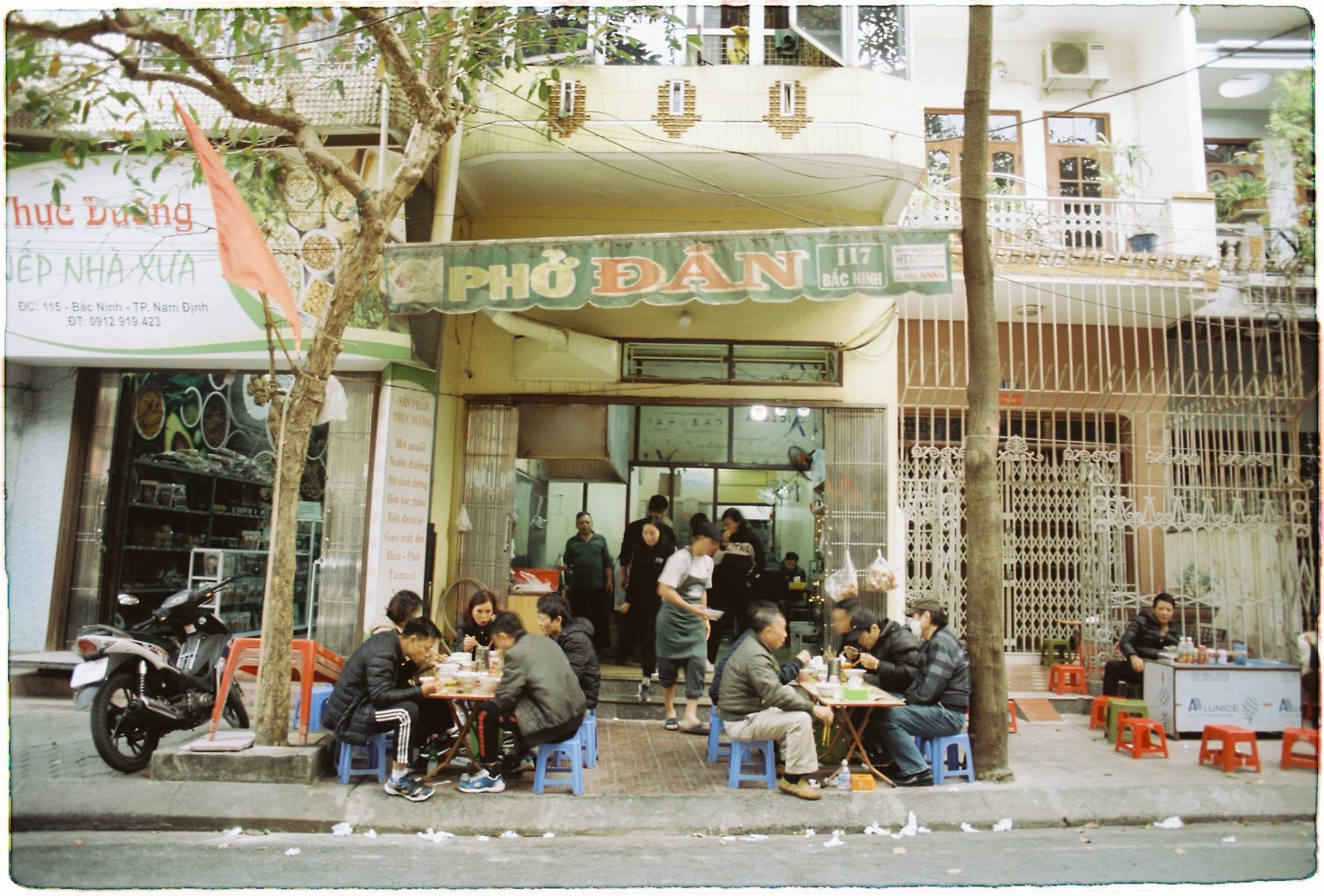
The tropical almond trees truly complement the rows of two-story Sino-French architecture along the street. This tree seems to embody the four seasons of Hanoi and Nam Dinh. The old quarter of Thanh Nam has an unmistakable identity and mark; it still has street shops and traditional businesses originating from Chinese settlers long ago, including traditional herbal medicine. Strolling down the street, the fragrant scent of herbal medicine fills the air, alongside black sesame soup (chí mà phù), mung bean soup (lục tầu xá), siu chau candy, xiu pao cakes, and in some places, they even still make bat bao (eight-ingredient herbal tea), a drink quite familiar during the subsidy era.
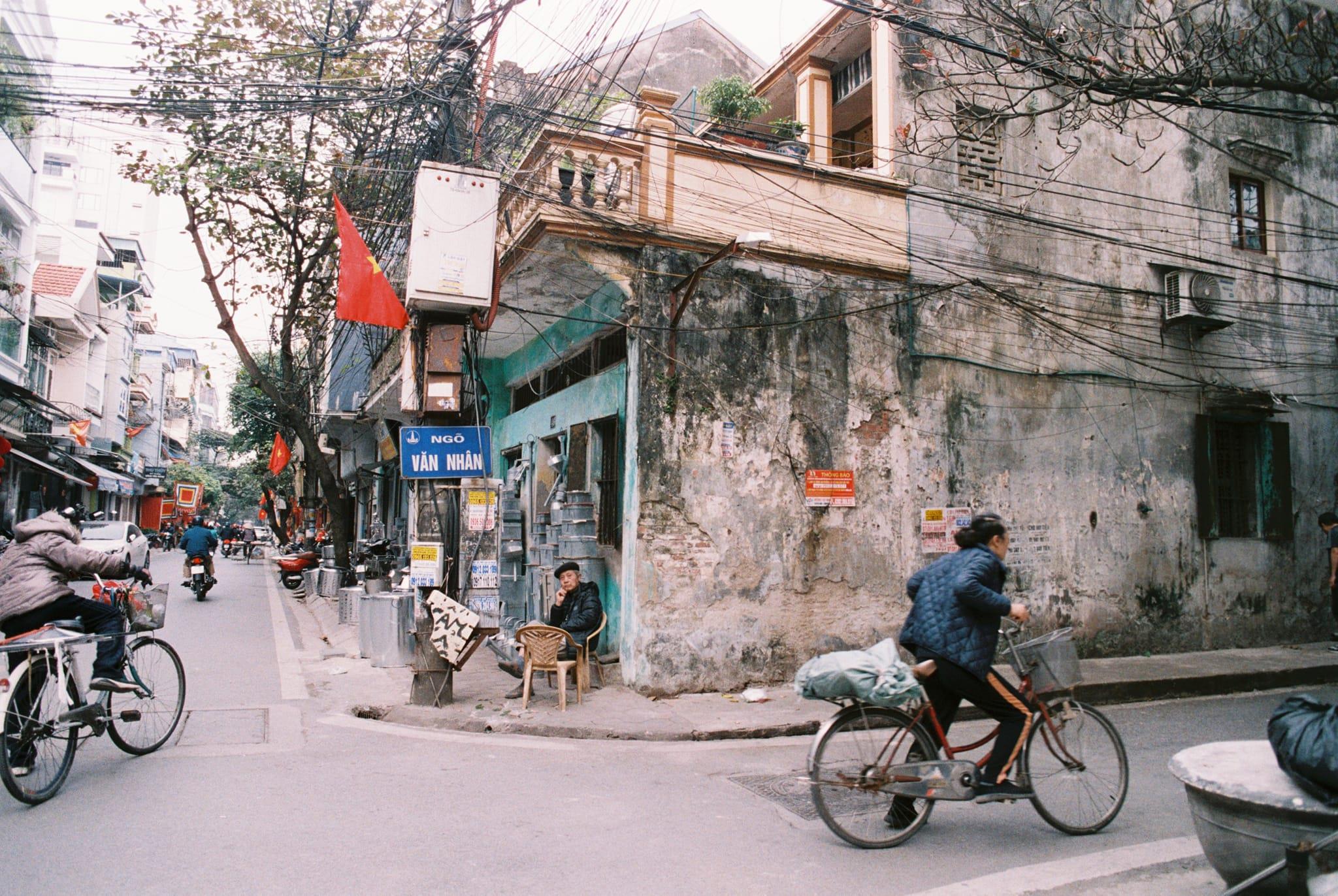
Nam Dinh feels as familiar as a teapot of fresh green tea served with a few pieces of siu chau candy, banh cha, powdery candy, or banh gai... You can encounter traditional tea stalls everywhere in Nam Dinh, set up with a simple table and a few wooden benches like those in primary school classrooms. Here, numerous communal houses and temples are interspersed throughout the old quarter, and locals diligently visit them to pray. I noticed a pharmacy area near Gieng Temple that they simply named: Gieng Temple Pharmacy.
Around this area, vendors sell fruit from bicycles to visitors, alongside coconut water, sugarcane juice, and many other items. Food stalls here are equally abundant—crab noodle soup (bánh đa cua), mock-dog meat noodle soup (bún giả cầy), chopstick noodles (bún đũa), fish noodles (bún cá)... The common thread is that these dishes are prepared authentically; the crab must be real freshwater crab, hand-pounded and served at an affordable price of 25,000 to 30,000 VND per bowl. Despite being packed with customers, they don't overcharge or add random gimmicky ingredients like in other places. They keep prices modest, perhaps believing that enjoying the blessings of the Mother Goddess in moderation is what brings lasting sustainability.
I find that people in Nam Dinh are very warm and attentive when asked for directions or recommendations. Asking for the best xiu pao cake shop, they point the way and simply remark, It depends on each person's taste, without badmouthing or putting down rival shops like in other places. Flower stalls and votive paper shops are also plentiful in front of the temples. Every day or on the full moon, locals buy offerings and sincerely donate a few small coins to the temple with great devotion. Inside the temples, the caretakers are welcoming and professional, with none of the cold glares or petty attitudes seen in many other places I've visited.
In front of the temple, vendors bring fresh tea leaves picked daily from Ha Nam to sell. Locals stop by to buy them for brewing tea at home. Here, there is a sense of equality—no distinction between markets for the rich or the poor; everyone is equal. Nam Dinh is uniquely an industrial city where many have worked as factory workers since the old days, so late afternoon markets feature many ready-to-eat food stalls. There are dishes rarely found in Hanoi nowadays, such as a tray of boiled beef heel sinew served with ginger soy paste, steamed duck, pork offal sausage... They haven't imported trendier items like Lang Son roasted duck or roasted chicken with Clausena indica leaves like other regions, thereby preserving their distinct Nam Dinh character and identity.
The local palate prefers subtle flavors, from pho to rice noodles, steamed and boiled dishes, nem chạo (fermented pork with toasted rice powder)... Walking through the market is a joyful experience thanks to the witty banter and calls of the vendors: Buy some wild rice stem (củ niễng), ma'am, the season is almost over; you'll have to wait until next year! Buy my home-grown guavas, ma'am, they're delicious! My goodness, with a stature like that, still eating square sticky rice cake and sweet soup, how could you ever stay slim!... Once after finishing my noodles, I forgot my belongings at an eatery, and shortly after, someone searched for me to return them: Ma'am, your family left something behind at our stall. That's how endearing Nam Dinh is.
People here hold spiritual beliefs, so whether running an eatery or selling goods, they truly do so with heart and honesty. And this traditional spirituality comes naturally, without manipulation or exploitation—it truly is authentic. Two-story houses are still common; inside them, you'll find classic wooden furniture, small ornamental potted plants, antique display cabinets, a couple of ink wash paintings, and a pair of parallel scrolls. Everything old is preserved, defining the typical lifestyle of residents in Thanh Nam.
Every time I return to Thanh Nam to stroll through its old streets, meeting locals who appreciate slow living, in a city that is neither overcrowded nor rushed, free from social status divides, with cuisine that is delicious and pure to its roots, my mind feels completely weightless. Indeed, the architecture, human character, greenery, and landscapes remain intact, largely untouched by the whirlwind of urbanization. Thanks to this, Thanh Nam still retains its very own identity—gentle, hospitable, spiced with humor, wit, and refined charm. That is why every visit to Thanh Nam makes me reluctant to leave.
(Author: Truong Viet Anh
Photos: Nguyen Chi Nam)


 Da Lat without chasing sights: a slow three-day plan with room to breathe
 Is a homestay worth staying in? Do not judge by the pretty room alone
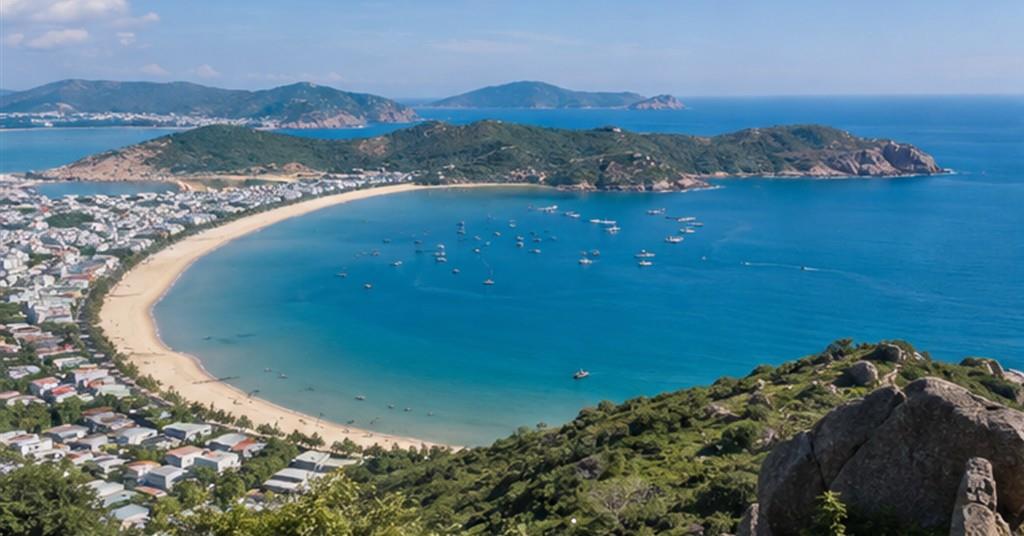 Three days in Quy Nhon: a plan for the sea, a fishing village and a real rest
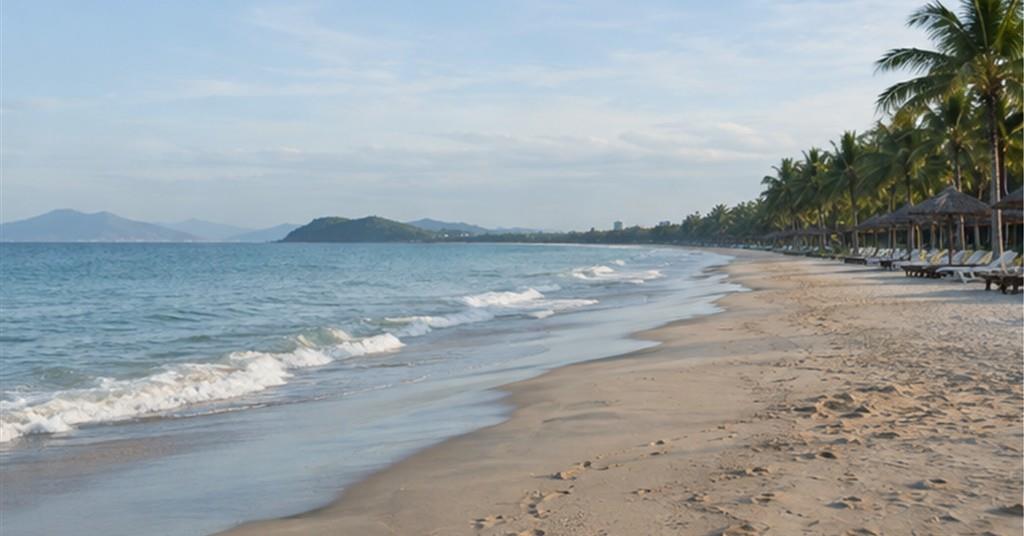 Central Vietnam's beaches after high season: quieter, but what should you watch for?
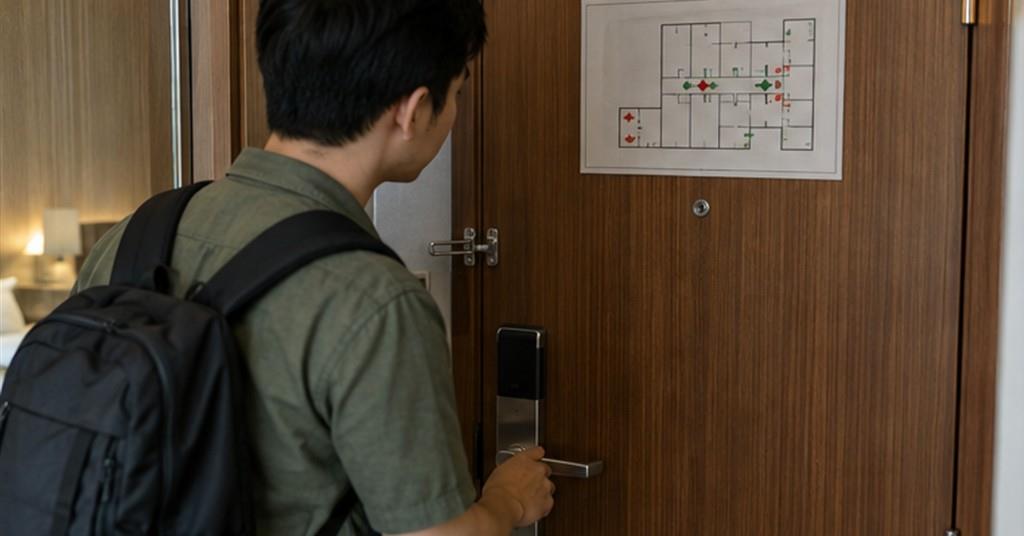 Checking into a hotel: 12 things to look at before you open your luggage
 Visiting the Mekong Delta in the flood season: what to prepare for a safe and decent trip
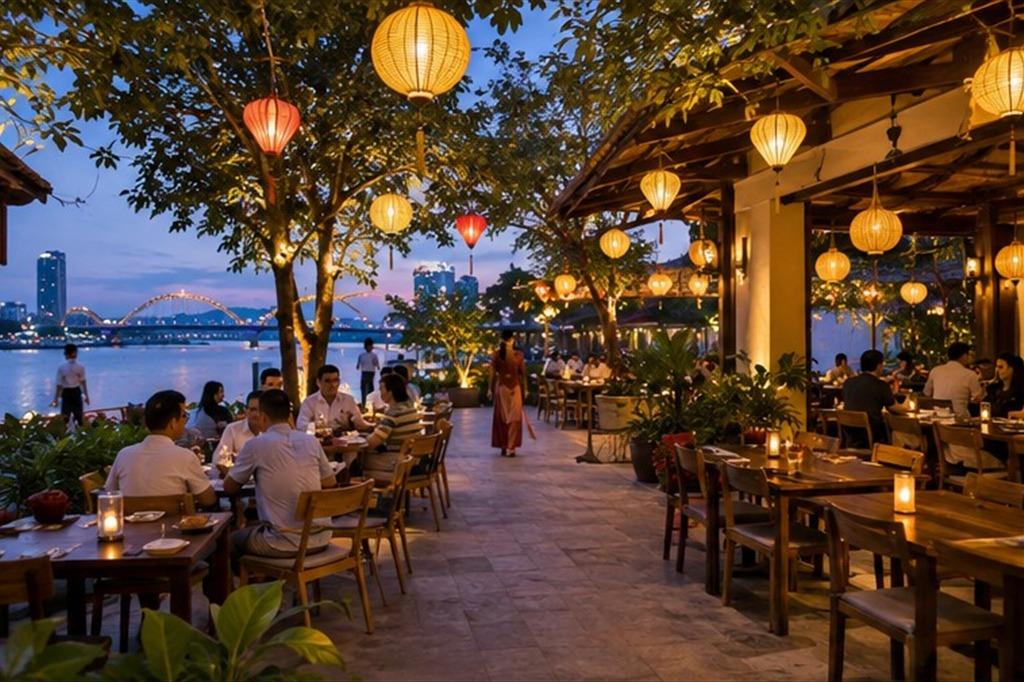 Madame Lan review, Da Nang: a Vietnamese meal by the Han river that suits families and larger groups
 A weekend in Cao Bang: which route keeps you from getting worn out?
Đăng nhập để bình luận: / Sign in to comment: