



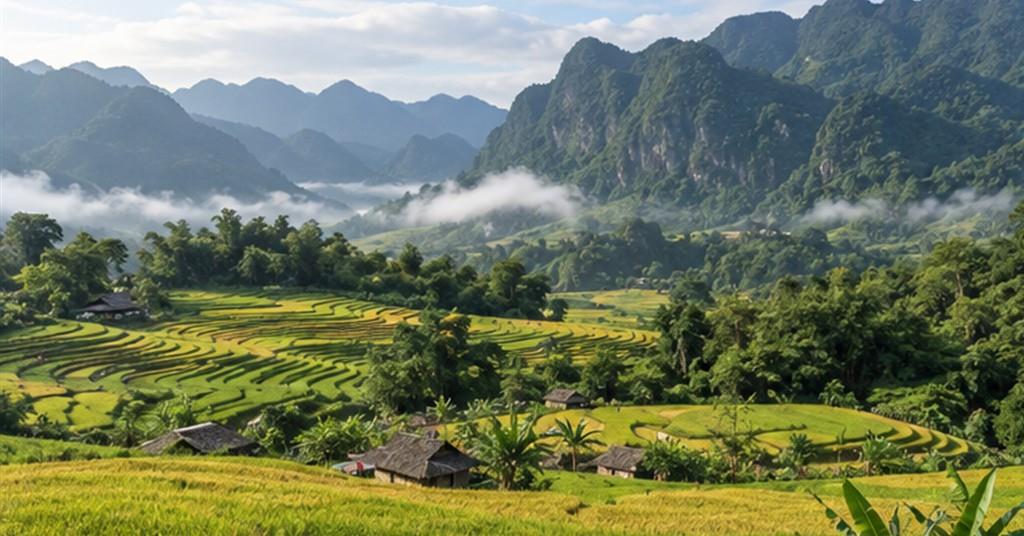
A first trek in Pu Luong: pick a route you can manage and walk it responsibly
Pu Luong draws people with its terraced fields, valleys and villages, but a good walk has to start from your fitness, the weather and respect for local life.
Choose a route by how long it actually takes
A distance in kilometres does not tell you how hard it is. Gradient, mud, sun, stream crossings and stops all change your pace. Ask the guiding operator about total ascent, the surface, the exit points and the realistic duration.
Beginners should start with a half-day route or a path between villages that is clearly marked. Do not choose a long route just because the photographs look good. If you have just been ill, have sore joints or have not slept, cutting the distance is the right decision.

Few pieces of kit, but the right ones
Worn-in shoes, water, a light rain jacket, a hat, sunscreen, personal medication and a dry layer are the basics. Shoes bought right before the trip easily give you blisters. Poles only help if you know how to set the height and use them properly.
Download offline maps, but do not treat a phone as a substitute for local guidance. The signal can be weak and farm tracks change. Tell your accommodation your schedule, do not split off from the group and turn back when the weather is bad.

Passing through a village as a guest
The trail may run close to houses, fields and water sources. Do not step into a field for a photograph, do not help yourself to produce and ask permission before photographing residents. Buy at the price agreed, and do not haggle for show.
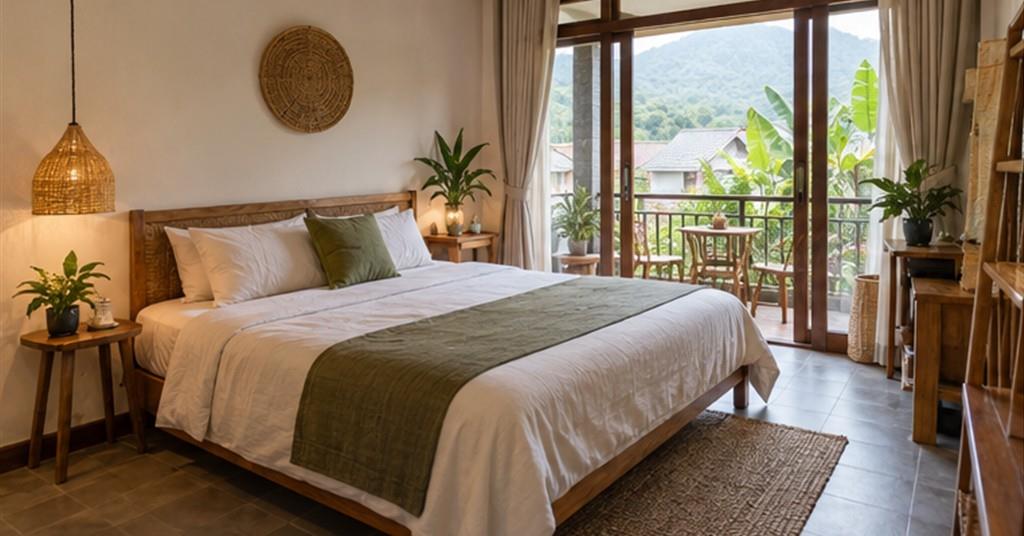
A community homestay should be transparent about who benefits and how waste and water are handled. Refilling a bottle, cutting down on plastic and keeping quiet at night are small things that matter.
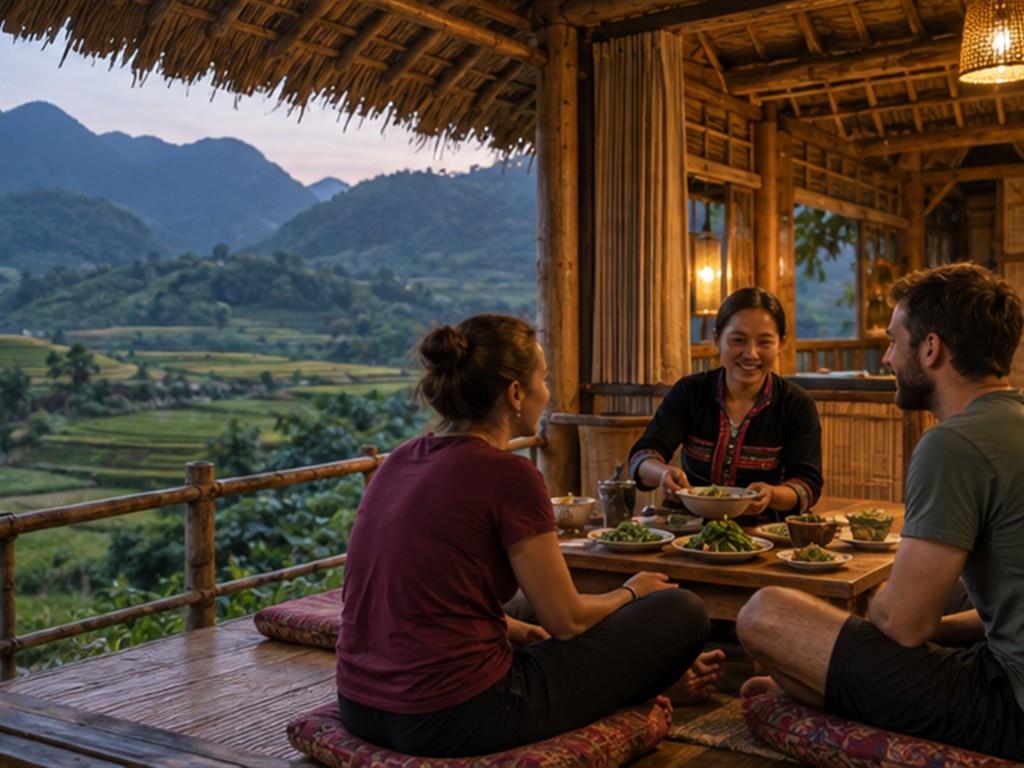
An itinerary needs room to breathe
Each day should have one main experience and one or two supporting stops in the same area. The time a map gives you does not include finding transport, stopping to eat, buying tickets or waiting out the weather. Leave a margin, especially before a flight, a train or a long coach journey. Prices, opening hours and access conditions can change, so confirm with the operator before the day you travel.
Mornings suit outdoor activity, the middle of the day is for eating and resting, and the afternoon should stay flexible according to how everyone feels. A group with small children, older people or anyone not used to walking should cut the number of stops. A good trip is not the fullest schedule but the one where everyone still has the energy to look around and talk.
Safety and responsibility at the destination
Carry your documents, personal medication, water, a power bank and enough cash. Do not drive a difficult road without the experience, do not climb barriers for a photograph and do not go into the water where there is a warning. For trekking or sea activities, use an operator with clear safety procedures and check the equipment before setting out.
Ask permission before photographing residents, and do not turn their homes or their work into props. Take rubbish to a collection point, use water sparingly and buy local products with a suitable provenance. Respect is what lets a place keep its own rhythm of life after the visitors have gone.
A practical way to begin
Two weeks before the trip, do a practice walk in the shoes you will use. Choose a route with suitable guidance, send your itinerary to a family member and have a plan for stopping early if it rains or your body cannot keep up.
Treat a plan as a frame of reference, check the details close to the date, and adjust it to your health, your budget and your actual circumstances. A good experience does not have to be perfect from the start; it needs to be clear enough to carry out and flexible enough not to become a pressure.
Pu Luong is worth remembering not because you walked the longest route, but because you came back safely and left the path, the fields and the village's rhythm much as they were before you arrived.



 A first trek in Pu Luong: pick a route you can manage and walk it responsibly
 Da Lat without chasing sights: a slow three-day plan with room to breathe
 Is a homestay worth staying in? Do not judge by the pretty room alone
 Three days in Quy Nhon: a plan for the sea, a fishing village and a real rest
 Central Vietnam's beaches after high season: quieter, but what should you watch for?
 Checking into a hotel: 12 things to look at before you open your luggage
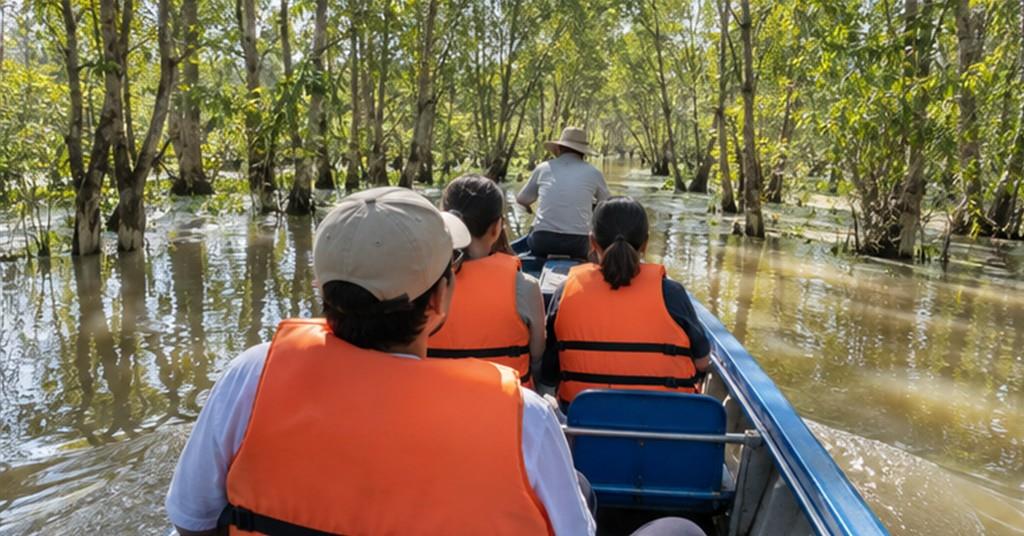 Visiting the Mekong Delta in the flood season: what to prepare for a safe and decent trip
 Madame Lan review, Da Nang: a Vietnamese meal by the Han river that suits families and larger groups
Đăng nhập để bình luận: / Sign in to comment: