



Is a homestay worth staying in? Do not judge by the pretty room alone
A room that photographs well may still lack privacy, soundproofing or safety procedures. A homestay worth staying in has to be judged as a real place to sleep, not just as a backdrop for pictures.
Check what kind of place it is and how much privacy you get
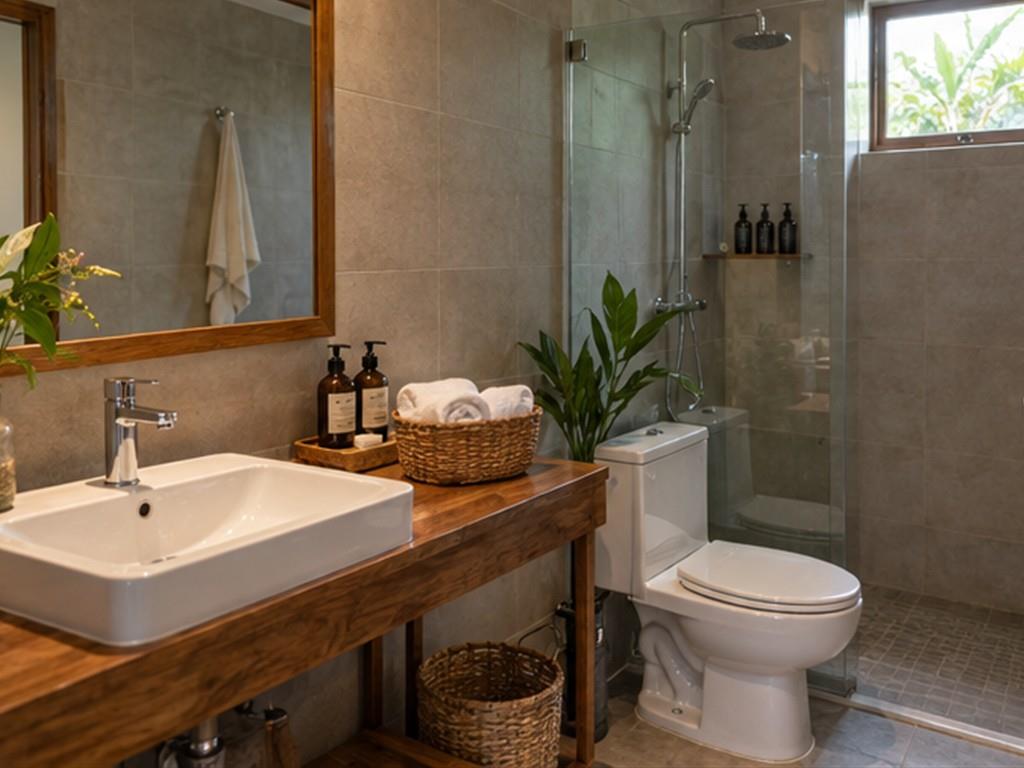
The word homestay covers a great deal: in some the host lives with you, some run almost like a small hotel, and some simply rent out the whole house. Ask clearly whether the bathroom is private or shared, whether the door has its own lock, and which areas are communal.
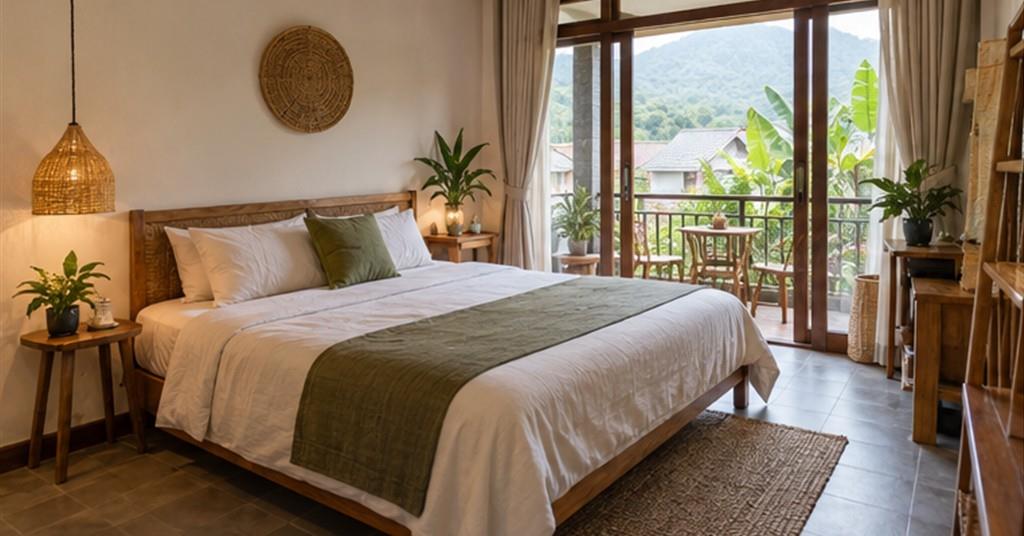
A wide-angle photograph easily makes a room look bigger. A review should note the room type, the floor, which way the window faces, the distance to the shared areas and what the noise feels like. Anyone travelling with small children should ask about railings, stairs and sockets.
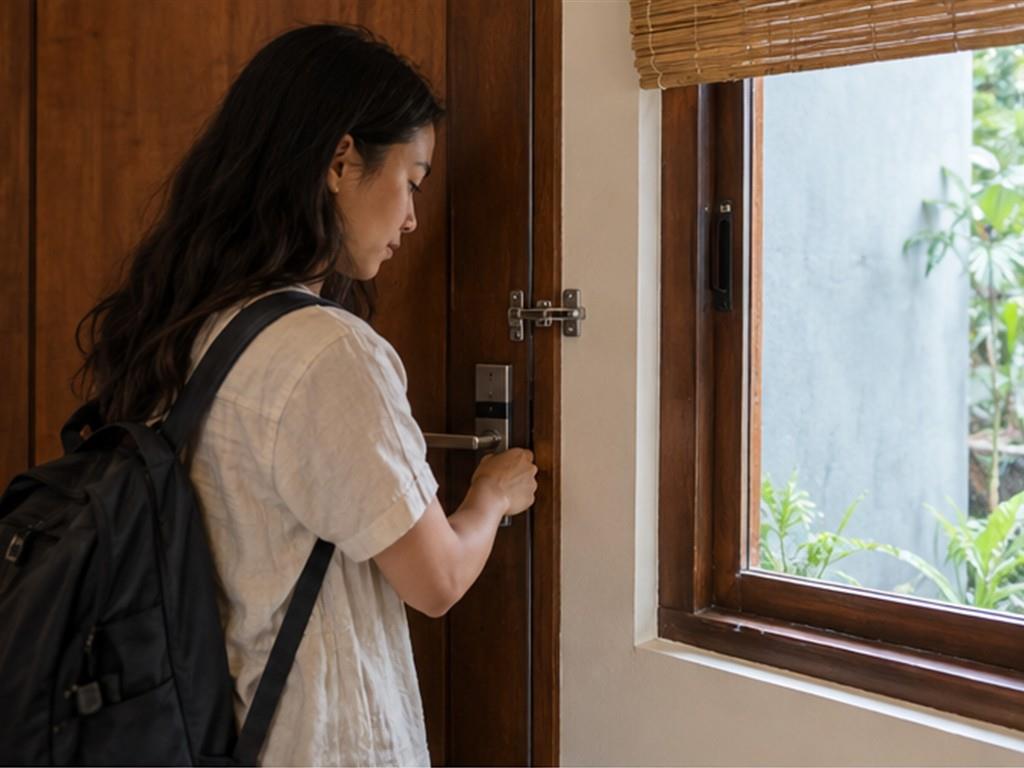
Hospitality needs procedures alongside it
A friendly host is a plus, but the check-in information, the quiet hours, how problems are handled and the night-time contact still have to be clear. An invitation to eat or to chat should be an option, not an obligation for the guest.
If the host holds documents, takes a deposit or has house rules of their own, the guest needs to know before paying. Every extra charge should be confirmed by message or on the booking platform.
A fine location has to account for how you get there
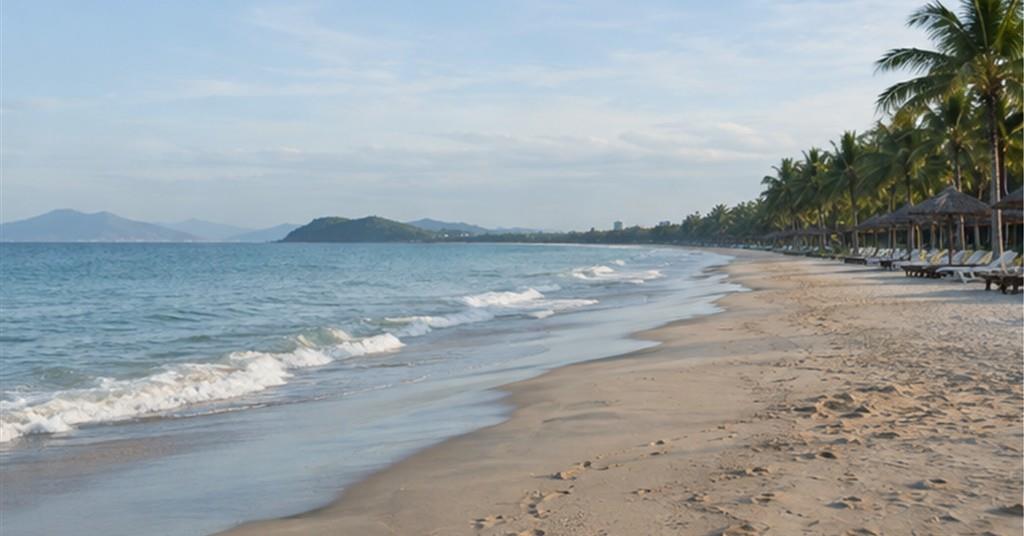
A place on a hill, in a hamlet or at the end of a narrow lane may be quiet, but it can be hard to reach in the rain and far from anywhere to eat. Ask what vehicles can get in, how far you have to walk, what the lighting is like at night and where to park.
Wi-Fi, hot water and electricity in remote areas can be unreliable. A fair review puts such limits in context, but the place still has to say so honestly, so that guests can prepare.

A review has to separate facts from feelings
A useful review states when the experience took place, the price, the type of service and what the writer needed. Only then does it describe what was observed: cleanliness, noise, waiting time, the quality of the food or the room, the attitude of the staff and how problems were handled. The phrase not worth the money only means something when the reader knows what was paid for.
Photographs should reflect both the strengths and the shortcomings, without intruding on the privacy of staff or other guests. If something is wrong, tell the establishment and give them a chance to deal with it. A mistake fixed quickly is not the same as a systemic problem that was ignored; a fair piece of writing needs to tell the two apart.
Total cost, and how well it fits
The listed price is not the whole cost. Add the service charge, tax, transport, anything ordered on top, surcharges or time spent waiting. A more expensive place can be the sensible choice if it saves distance and matches what you need; a place that looks beautiful in photographs may not suit a family with small children or someone who needs quiet.
At the end, say plainly who the place suits, who it does not, and what should be confirmed in advance. A trustworthy review does not decide for the reader. It supplies enough context for each person to weigh things up.
A practical way to begin
Before booking, send five questions about the bathroom, the door lock, the noise, the access road and the extra charges. After staying, score sleep quality, cleanliness, privacy, communication and total cost separately.
Treat a plan as a frame of reference, check the details close to the date, and adjust it to your health, your budget and your actual circumstances. A good experience does not have to be perfect from the start; it needs to be clear enough to carry out and flexible enough not to become a pressure.
A memorable homestay is not just a room with taste; it is one where the guest feels safe, feels respected and knows exactly what service they are buying.



 Is a homestay worth staying in? Do not judge by the pretty room alone
 Three days in Quy Nhon: a plan for the sea, a fishing village and a real rest
 Central Vietnam's beaches after high season: quieter, but what should you watch for?
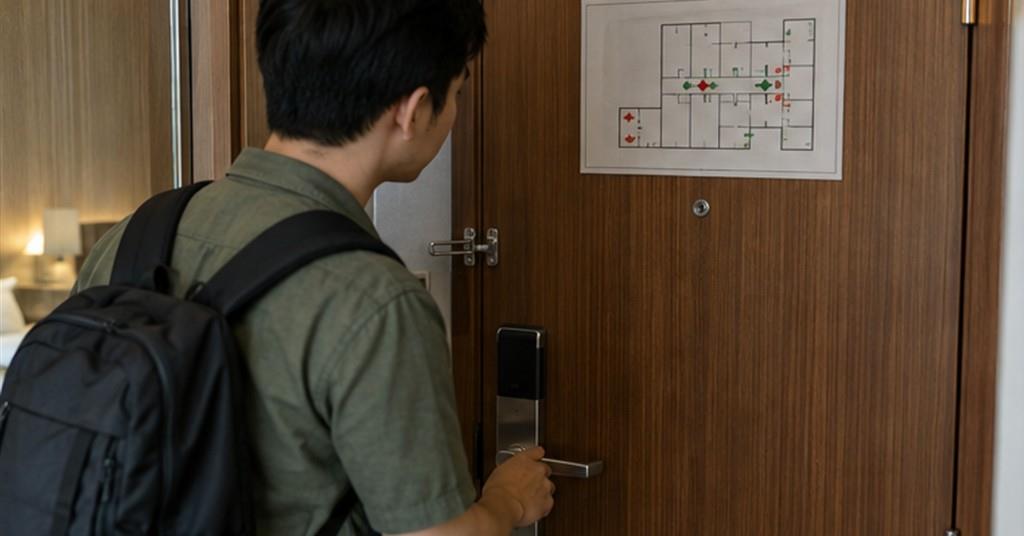 Checking into a hotel: 12 things to look at before you open your luggage
 Visiting the Mekong Delta in the flood season: what to prepare for a safe and decent trip
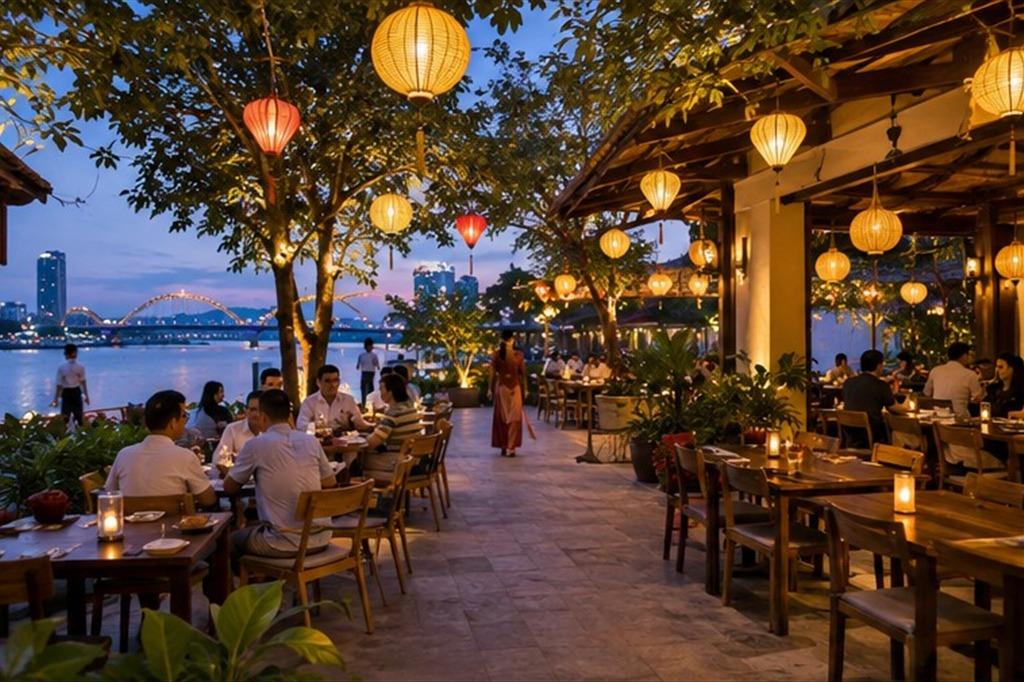 Madame Lan review, Da Nang: a Vietnamese meal by the Han river that suits families and larger groups
 A weekend in Cao Bang: which route keeps you from getting worn out?
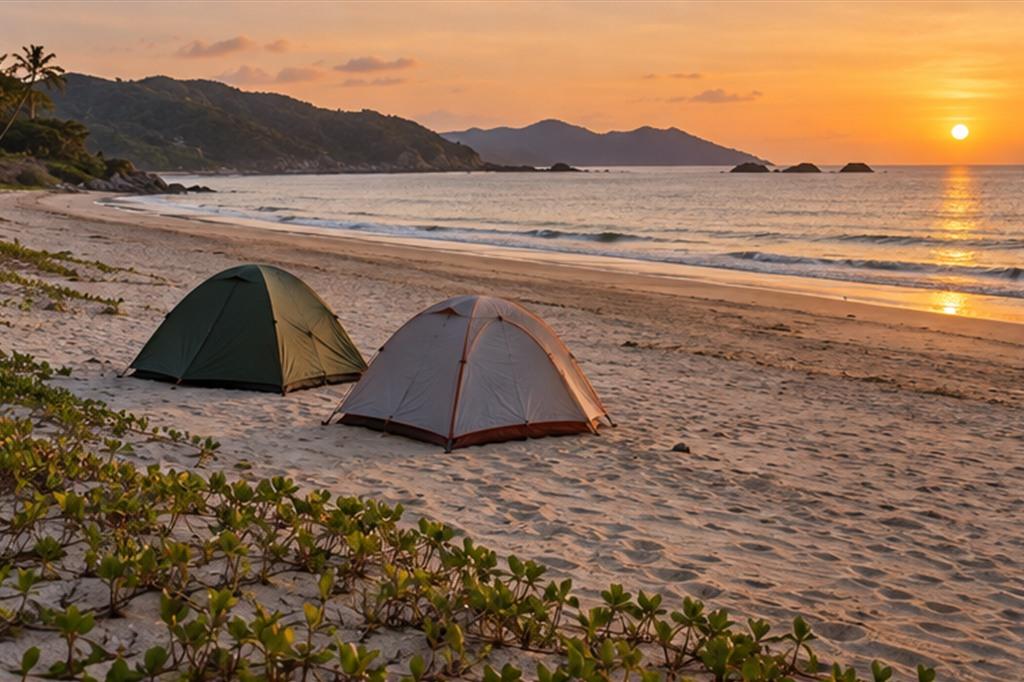 Coastal camping in Vietnam: reading the tide, avoiding strong wind and leaving no rubbish
Đăng nhập để bình luận: / Sign in to comment: