



Visiting a highland market day: trading decently and asking before you photograph
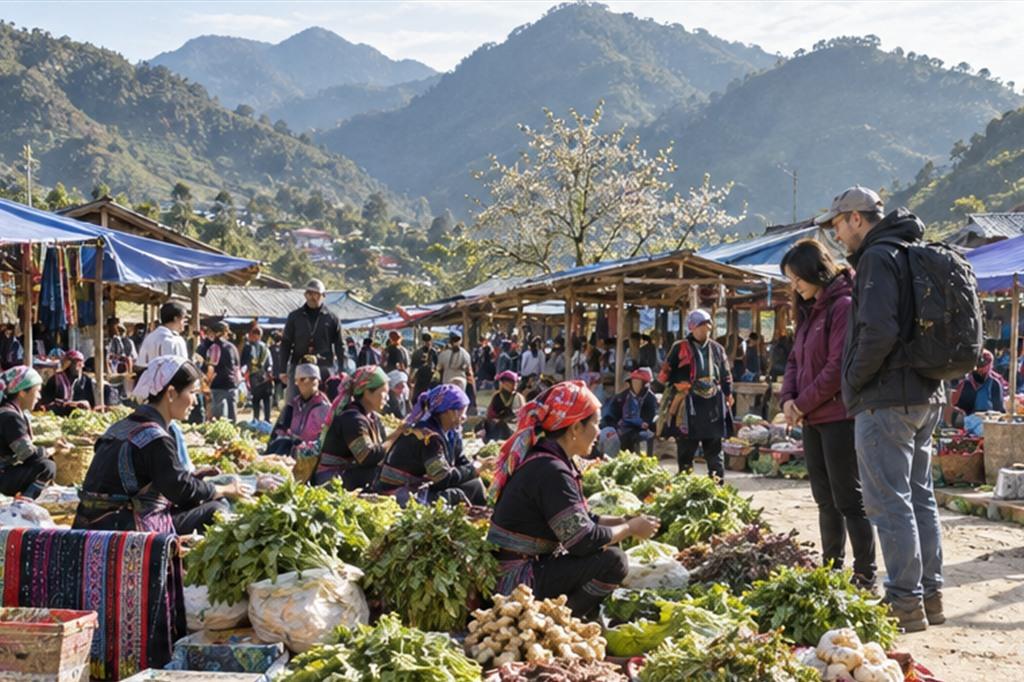
A highland market day is where the local community trades, meets and eats; it is not a stage set up for visitors. The best way to go is to observe the real rhythm of life, to trade fairly, and to treat everyone who appears in your frame as a person with the right to consent.
This article focuses on principles of preparation and decision-making; it does not replace guidance on the ground. Road conditions, weather, transport timetables and local rules can all change, so check again with whoever manages the area before you go.
Understanding the journey properly
Each market has its own day, size and role. Some lean towards farm produce, livestock and household goods; others are known for textiles, herbs or food. Information online may be out of date, so ask your accommodation or local people about the day, the hours and the route.
Going early lets you see the trading, but visitors need to keep out of the way while people are setting out their goods. Neat clothing, shoes suited to a dirt surface and small-denomination notes all make transactions easier.
Preparing before you set out
Find out the name of the community, a few basic greetings and what is considered taboo where you are going. Do not assume that anyone's clothing is a “costume”; for many people it is everyday dress, festival dress or a mark of identity.
Bring your own bag, a water bottle and enough cash; keep money and phone discreet in a crowd. If you want to buy a textile, ask about the material, how long it took to make and where it came from, rather than looking only at the price.
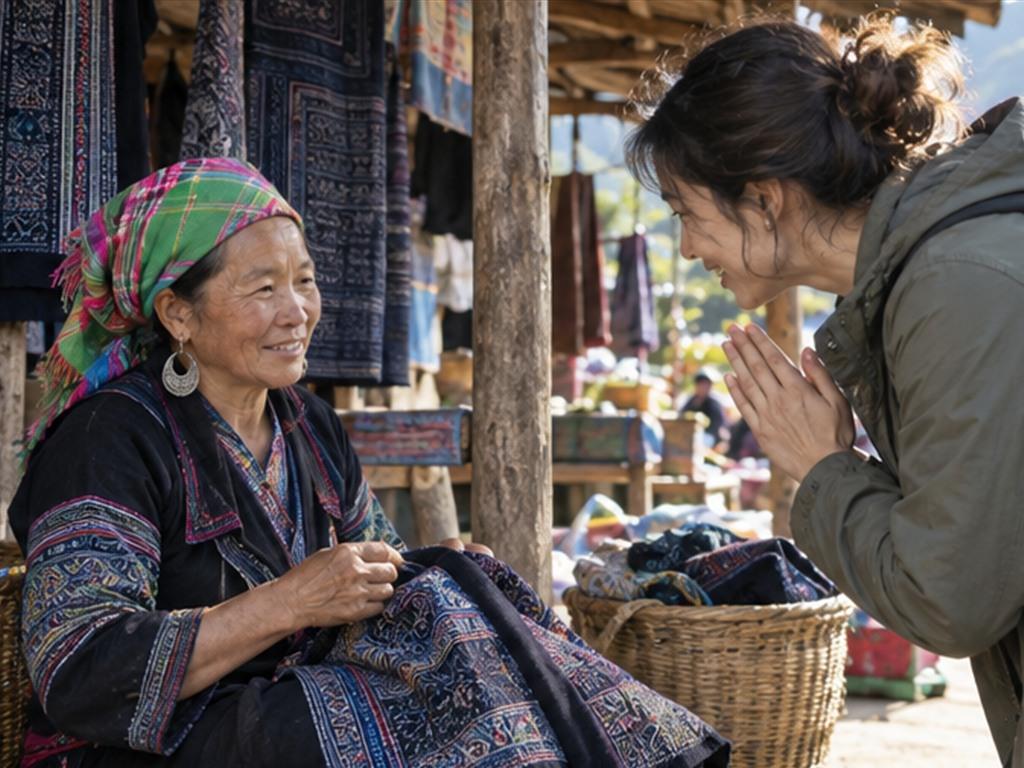
Keep the camera discreet, but do not photograph people covertly. Learn to ask in words or with a clear gesture, and wait for an answer before raising the camera. Silence, a turned face or avoidance must be read as a refusal.
Pack in three layers: what you must reach at once, what you need during the day, and what you will only use once you reach your resting place. Documents, phone, personal medication and emergency items should always be easy to get at. Each person should know how to use their own equipment rather than assuming the group leader will handle everything.
Keeping a safe rhythm along the way
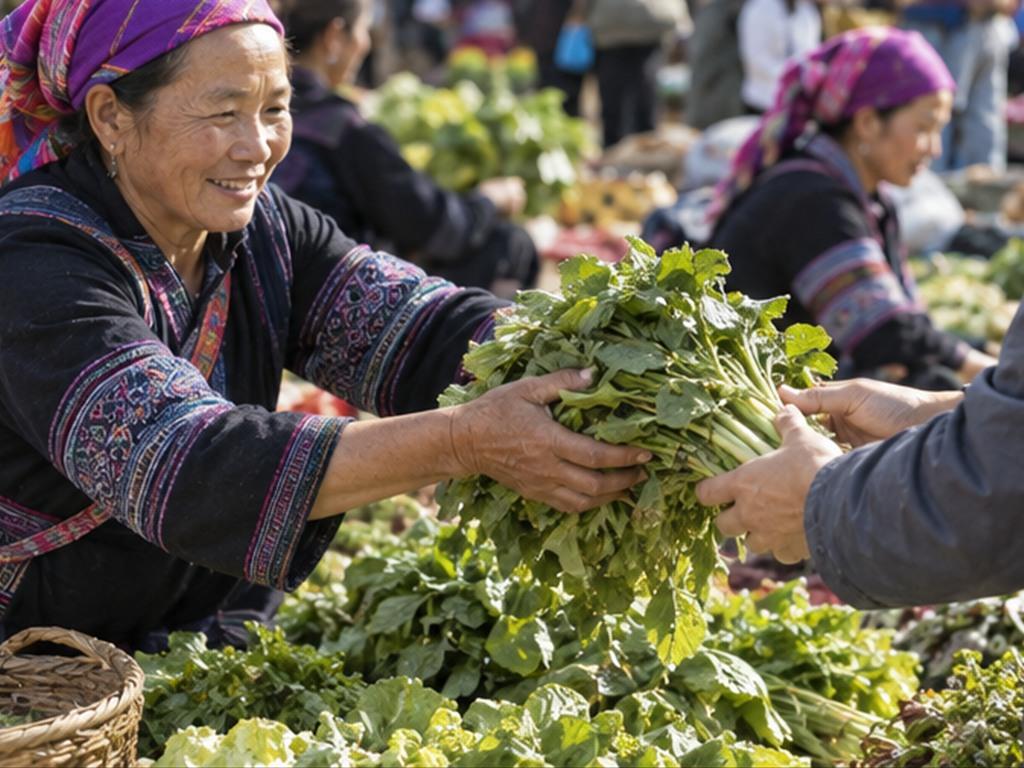
Walk along the edge of the path, do not stop as a group in the middle of the flow of people, and do not touch vegetables, meat or handmade goods without asking. Haggle if that is the custom, but keep it reasonable; a few thousand dong may be small to a visitor and yet be part of a seller's income.
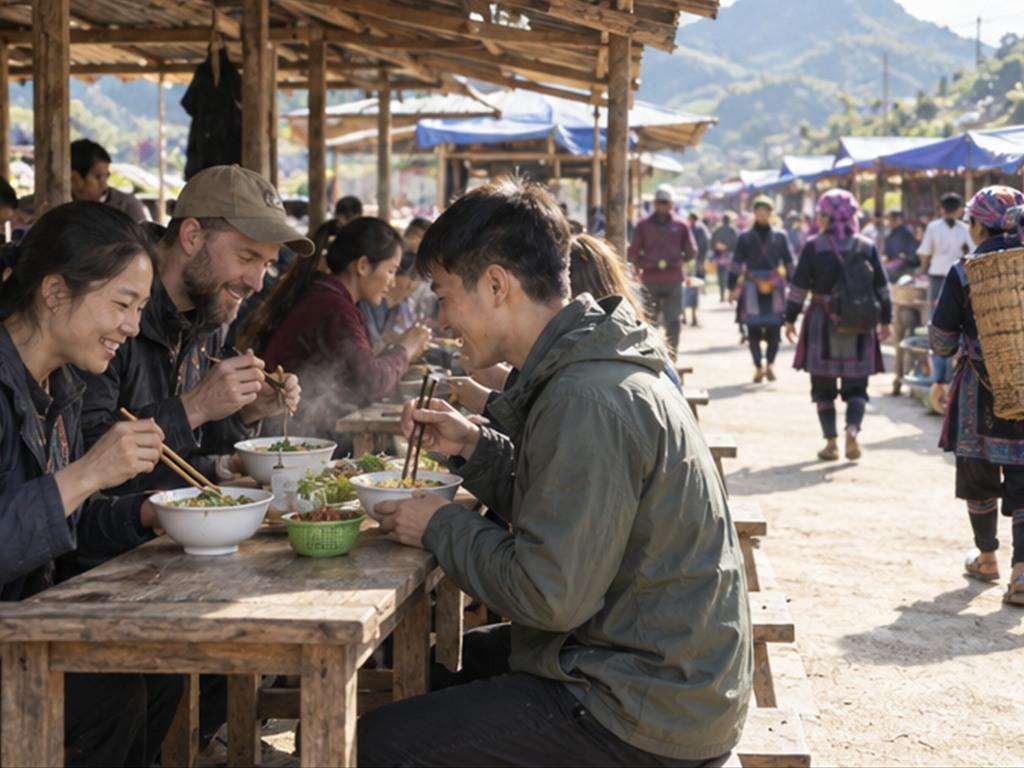
When eating, choose a clean stall, order a modest amount and pay attention to how the shared tables are used. Ask about the ingredients beforehand if you have an allergy or something you avoid; do not loudly criticise a dish merely because the taste is unfamiliar.
Risks that are usually underestimated
A crowded market carries the risk of losing belongings and of children wandering off. A group should agree on a meeting point, keep the accommodation's contact number and not carry showy valuables. The mountain road to the market may be foggy or congested as the market breaks up, so allow time to get back before dark.
Buying alcohol, tobacco, herbal remedies, animals or animal products calls for caution on both health and legal grounds. Do not buy wild species, anything suspected of coming from a protected species, or goods of unclear origin.
A turnaround rule should be agreed while the whole group is still calm: if the cut-off time arrives, the weather crosses the threshold, someone is unwell or a key piece of equipment fails, you stop. Turning back is not failure; it is the skill that leaves a next trip possible.
Behaving responsibly towards the place you visit
Do not photograph children, older people or close-up portraits without proper consent. Handing over money to take a picture can turn the relationship into an unhealthy transaction; buying something you genuinely need and talking respectfully are better ways to support people.
Do not enter places of worship or private homes on your own initiative, or touch clothing and jewellery. When posting photographs, avoid mocking captions, avoid labelling people “untouched”, and do not reveal sensitive locations. If you promised to send someone a photograph, do it.
A checklist before departure
- Confirm the right day, the hours and the route to the market.
- Small-denomination notes, your own bag and suitable clothing.
- Ask clearly before photographing, and respect a refusal.
- Do not block the way, handle the goods or haggle excessively.
- Do not buy wild animals or goods of unclear origin.
- Keep your photographs, captions and posting behaviour dignified.
A plan for communication and for incidents
Send someone who is not on the trip your intended route, where you will sleep, who is coming, your transport and the time you will check in. Agree how long an overdue check-in should be before they call back, contact the accommodation or alert a support service. A short message when plans change is worth far more than many posts after the trip.
If something goes wrong, put people's safety first, call for help and give a location that is easy to understand. Do not move someone with a serious injury unless the place remains dangerous. A first-aid kit is only useful if someone knows how to use it; learning basic skills before a trip always matters more than carrying an oversized bag of supplies.
Travelling as a group without creating pressure
Appoint a leader to coordinate, but every member still has the right to say they are tired, afraid or want to stop. Do not leave the slowest person behind, do not use dares to push anyone past their limit, and always have someone bringing up the rear. A small group is usually easier to manage, quieter and quicker to react.
Share out costs, tasks and expectations from the start: who books, who watches the weather, who carries the first-aid kit, what time you get up and what level of comfort everyone wants. Conversations that seem trivial are what prevent conflict once people are tired.
What should the money go on?
A safety budget covers servicing or hiring good transport, a guide where one is needed, a fallback place to stay, suitable insurance and an emergency reserve. Save by packing light, travelling in a small group and booking with a plan; do not save by dropping protective gear, choosing a vehicle of unknown condition or going against the rules.
Conclusion
A highland market day is where the local community trades, meets and eats; it is not a stage set up for visitors. The best way to go is to observe the real rhythm of life, to trade fairly, and to treat everyone who appears in your frame as a person with the right to consent. Preparing well does not make the trip less of an adventure; it creates the room to observe, to meet people and to enjoy Vietnam without pushing the risk onto your companions or the local community.



 Visiting a highland market day: trading decently and asking before you photograph
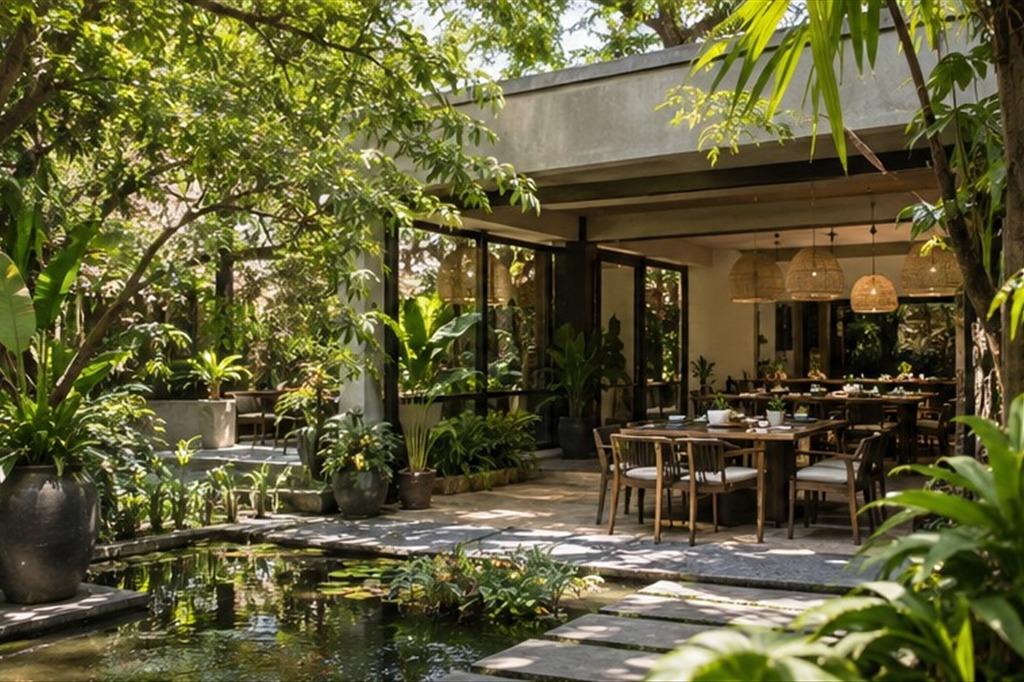 Man Moi Thao Dien reviewed: a Vietnamese shared table in a green garden setting
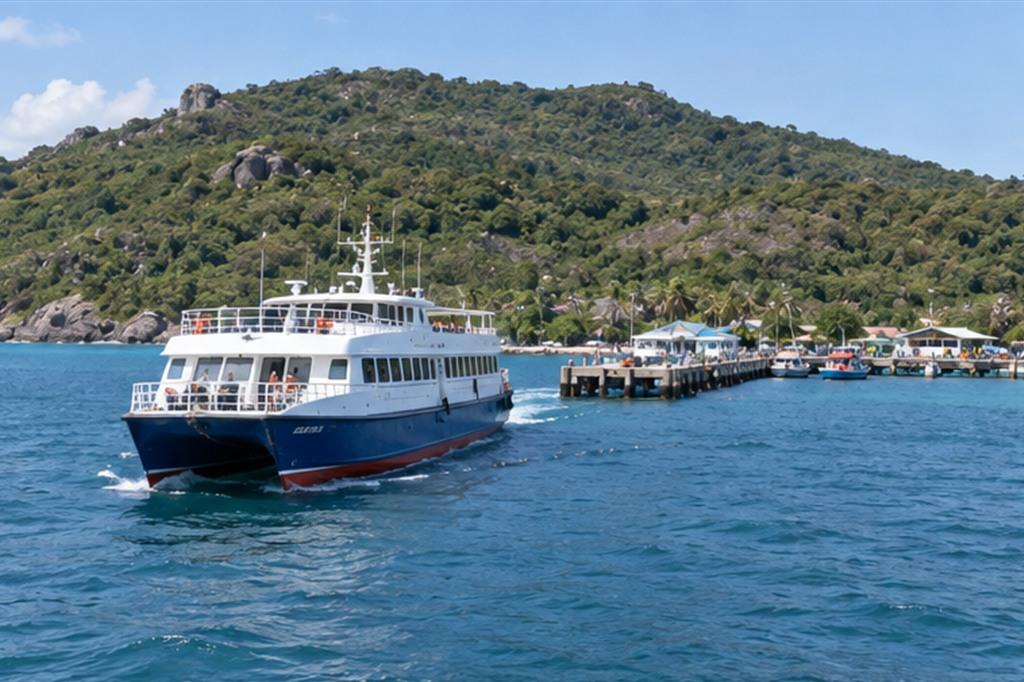 Island-hopping by boat in Vietnam on your own: keeping the plan flexible when the sea turns
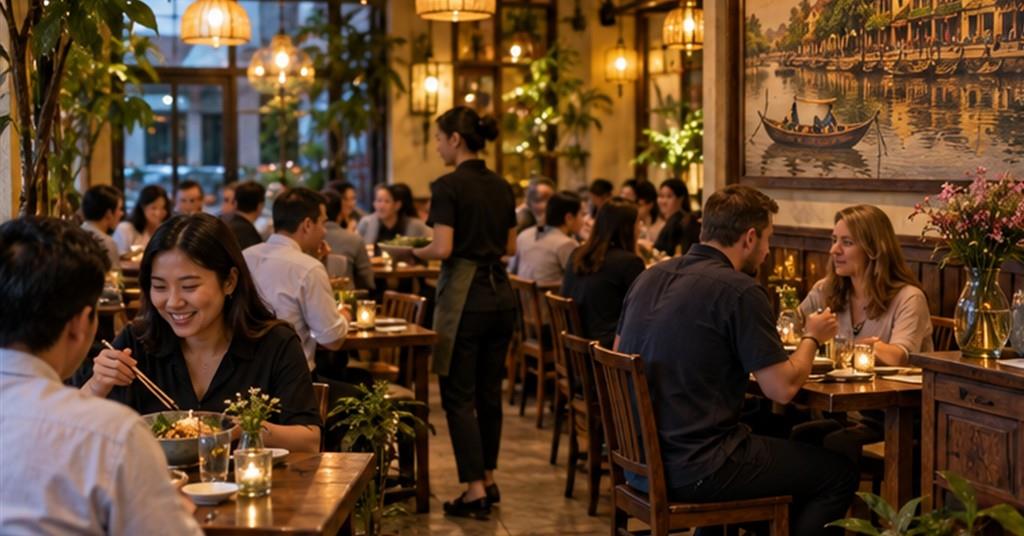 A fair restaurant review: seven questions to answer before you give a score
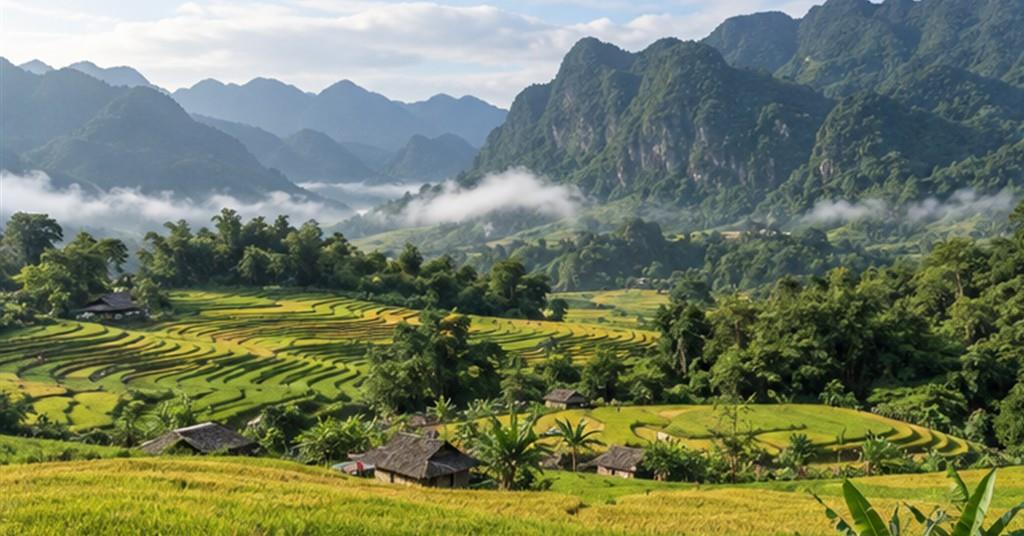 A first trek in Pu Luong: pick a route you can manage and walk it responsibly
 Da Lat without chasing sights: a slow three-day plan with room to breathe
 Is a homestay worth staying in? Do not judge by the pretty room alone
 Three days in Quy Nhon: a plan for the sea, a fishing village and a real rest
Đăng nhập để bình luận: / Sign in to comment: