



A first trip to Ha Giang without driving yourself: the same scenery, and safer
The roads of Ha Giang are beautiful, but they have steep passes, tight bends and weather that changes fast. Not driving yourself does not make the trip less of an adventure; for someone with little experience it can be the decision that lets them see more of the scenery and take on less risk.
Three suitable ways to get around
You can take a scheduled coach to the gateway town and then join a small-vehicle tour, hire a car with a driver, or ride pillion with an experienced local driver. Each option differs in privacy, cost and how freely you can stop.
If you ride pillion on a motorbike, you need a helmet that meets standards, suitable protective clothing, an agreed speed and a schedule that is not pushed too long. Ask about the driver, their documents, the condition of the bike, where luggage goes and what happens if it rains.
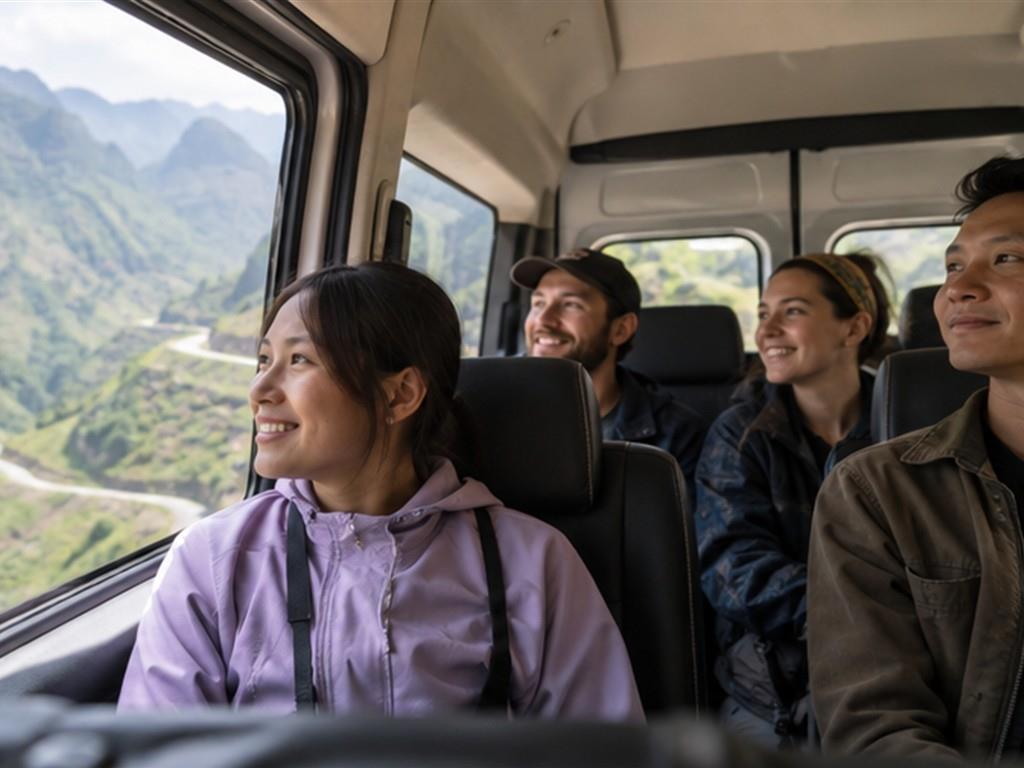
The itinerary should be slower than the map suggests
The route through Quan Ba, Yen Minh, Dong Van and Meo Vac does not look far on paper, but it takes time because of the mountain passes and the many stops. At least three days makes more sense than rushing it in two.
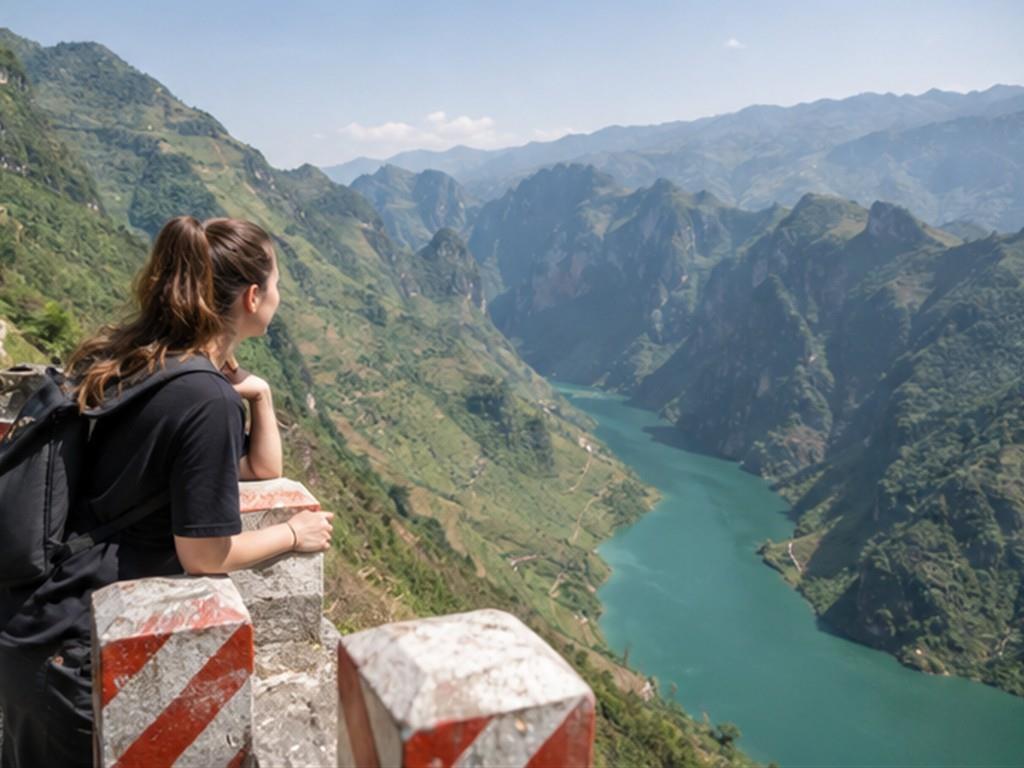
Ma Pi Leng, the stone plateau and the villages should be viewed from a safe stopping place. Do not step onto the roadway at a bend, do not climb the barriers and do not ask the driver to stop somewhere dangerous.
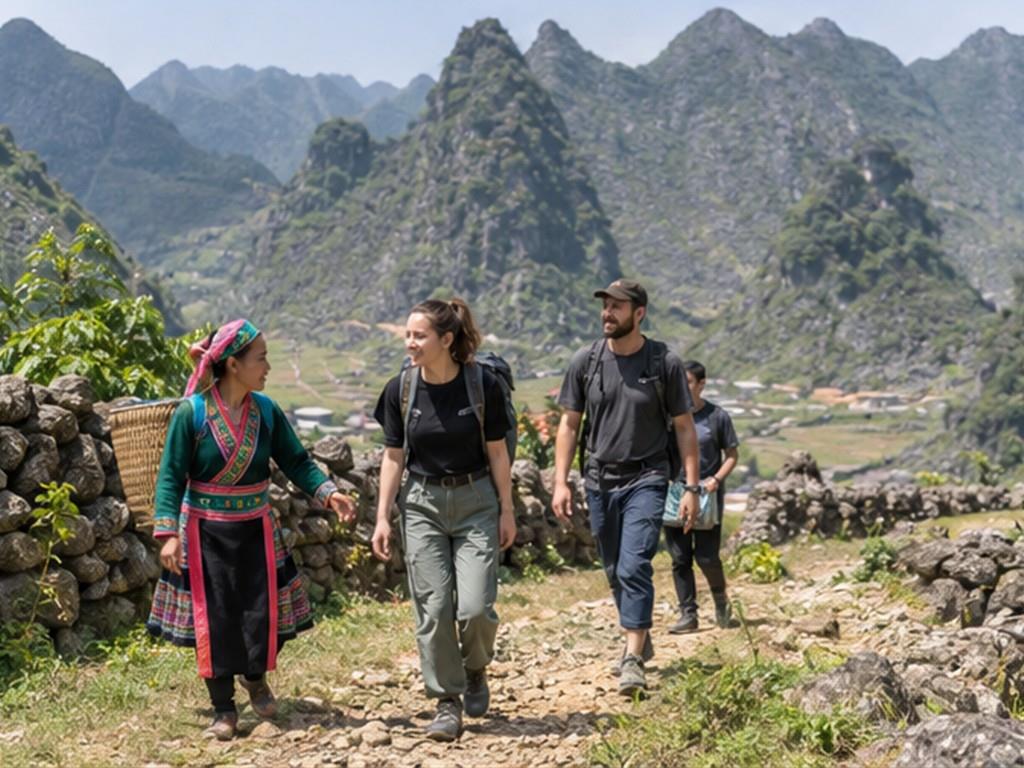
Respecting the communities along the way
Markets and villages are places where people live, not stages. Ask permission before taking a portrait, do not hand money or gifts to children at random, and do not walk into houses uninvited. Choose local guides who introduce a place respectfully.
Mountain weather strongly affects visibility and the road surface. When there is heavy rain, thick fog or a landslide warning, accept a change of plan. A professional driver has every right to refuse an unsafe stretch.
A good itinerary always leaves room to breathe
Do not stack every famous sight into a single day. Each leg needs realistic travelling time, a stop to eat and a margin for rain, traffic or changed opening hours. Before you set out, check announcements from whoever manages the site, the weather forecast and traffic conditions. Ticket prices and transport timetables can change, so no article should be treated as final confirmation.
Mornings usually suit outdoor places, while the middle of the day is for eating and resting. If the group includes small children or older people, cut the number of stops and favour places with seating, toilets and suitable access. A trip with fewer stops but energy left to take them in is usually more memorable than a packed schedule that exhausts everyone.
Safety, and responsibility towards the place you visit
Always carry the documents you need, personal medication, water, a power bank and enough cash. Do not enter restricted roads, do not climb barriers for a photograph, do not swim where there is a warning, and do not drive a difficult route yourself if your skills are not up to it. When you hire a service, ask exactly what is covered, about insurance, the vehicle and the cancellation policy before you pay.
Ask permission before photographing residents, especially children; do not turn community life into a backdrop. Take rubbish to a proper collection point, save water on islands or in dry regions, and buy local products with a clear origin. Travelling responsibly does not make a trip less enjoyable; it keeps the destination worth returning to.
A manageable way to begin
Choose an operator with clear information about the driver, a schedule with no night driving and sensible rest breaks. Leave large luggage behind, carry a small waterproof bag and confirm the pick-up point the day before.
What matters is choosing an approach that fits your actual circumstances, watching how it goes and adjusting. A good plan does not have to be perfect the first time; it needs to be clear enough to start and flexible enough to keep going.
You can still come to understand the highlands without being at the handlebars. Sometimes letting go of the throttle is what allows your eyes, your ears and your attention to actually be present on the journey.



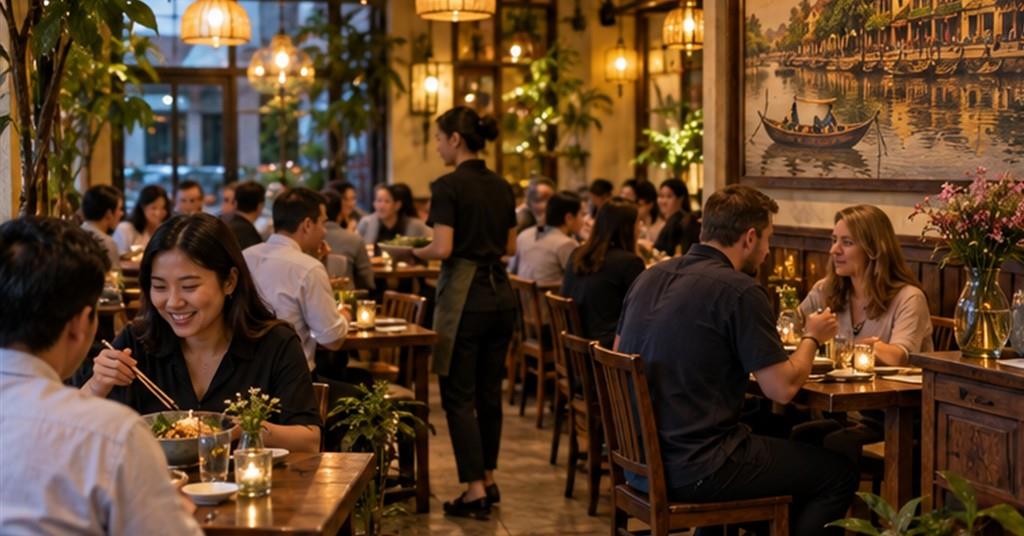 A fair restaurant review: seven questions to answer before you give a score
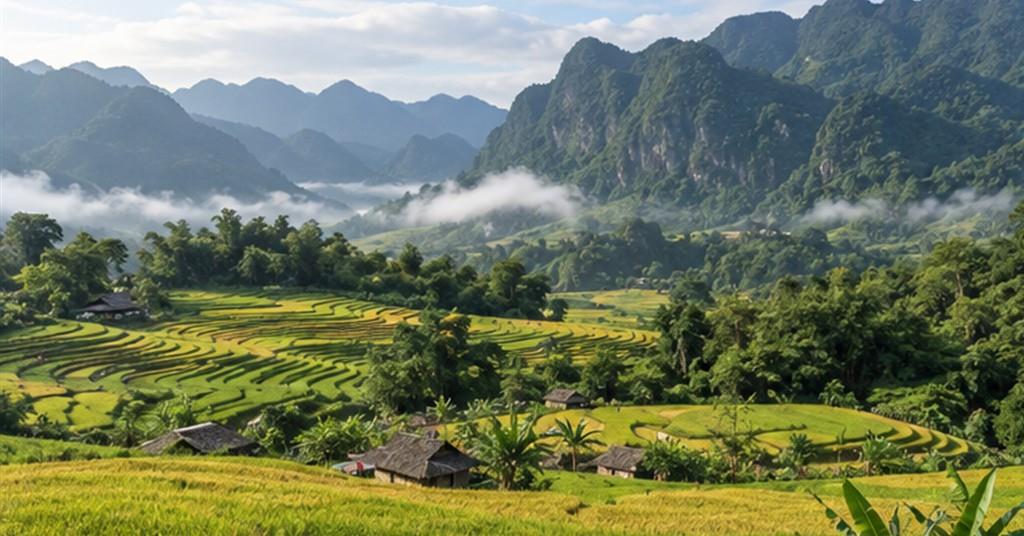 A first trek in Pu Luong: pick a route you can manage and walk it responsibly
 Da Lat without chasing sights: a slow three-day plan with room to breathe
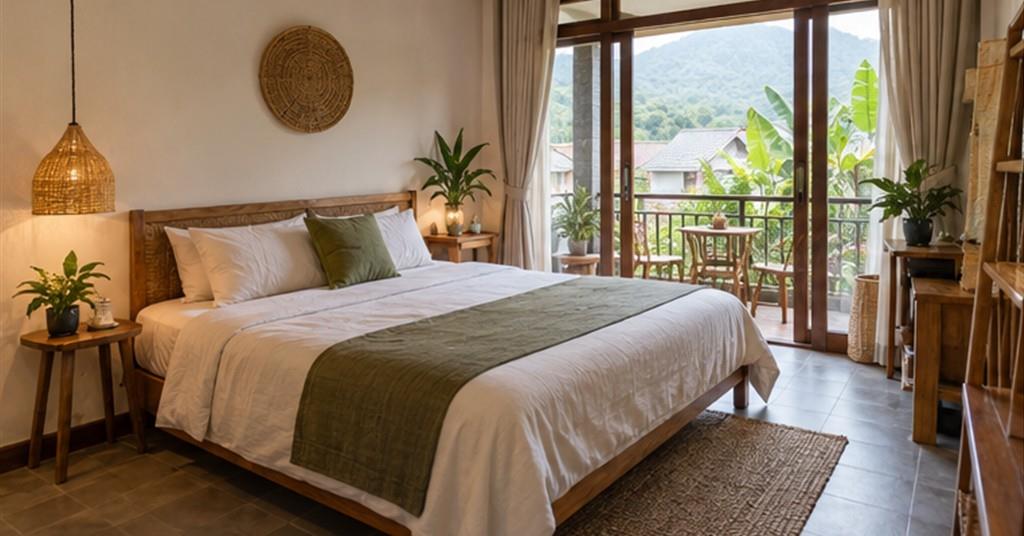 Is a homestay worth staying in? Do not judge by the pretty room alone
 Three days in Quy Nhon: a plan for the sea, a fishing village and a real rest
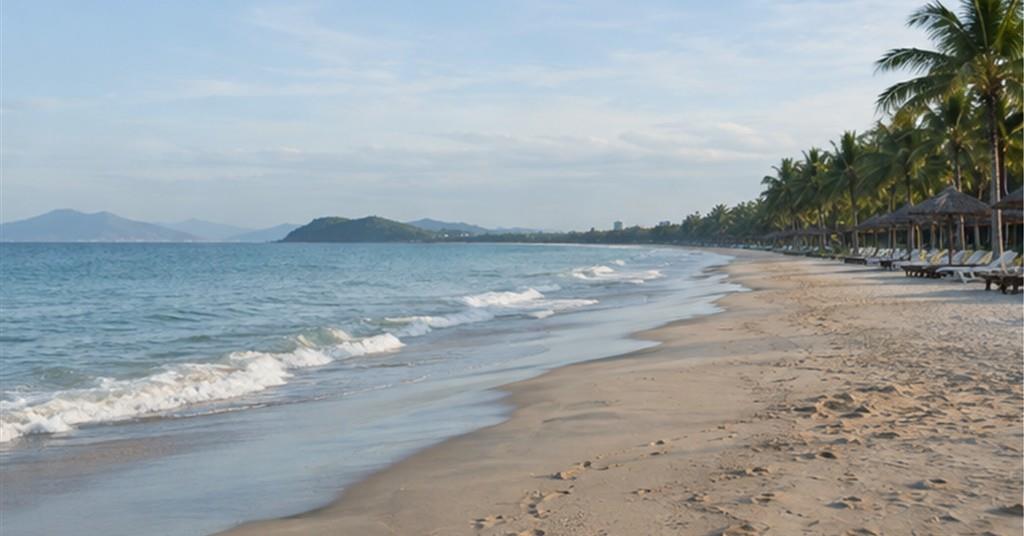 Central Vietnam's beaches after high season: quieter, but what should you watch for?
 Checking into a hotel: 12 things to look at before you open your luggage
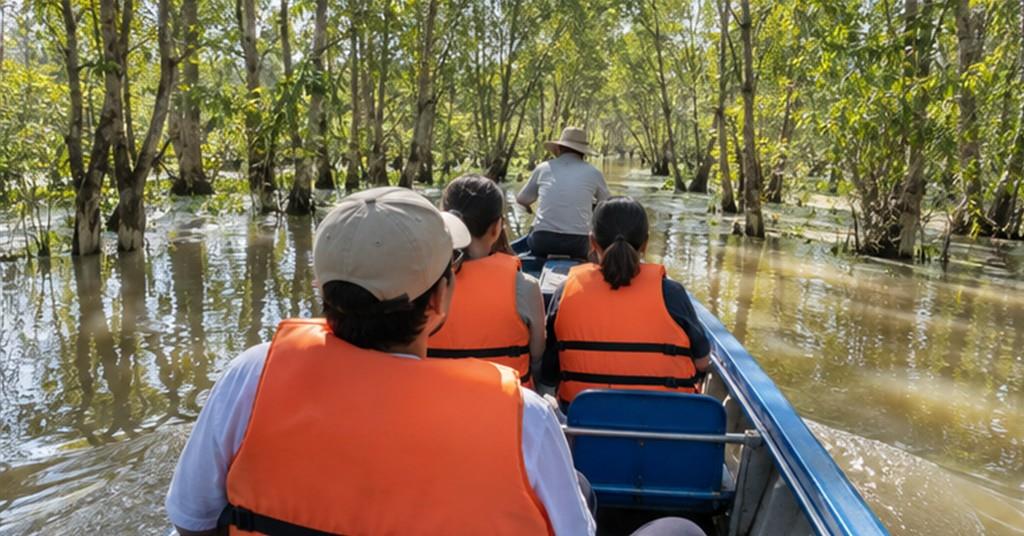 Visiting the Mekong Delta in the flood season: what to prepare for a safe and decent trip
Đăng nhập để bình luận: / Sign in to comment: