



Three days in Quy Nhon: a plan for the sea, a fishing village and a real rest
Three days in Quy Nhon are enough to take in the city beach, one cluster of spots along the coast and the rhythm of a fishing village, provided each day keeps to a single focus.
The first day is for the city and the rhythm of the sea
After checking in, walk along the shore, rest after the journey and eat dinner near where you are staying. There is no need to rush off to somewhere far away. Late afternoon gives kinder light, but going into the water still depends on the flags and the lifeguards' instructions.
The centre is convenient for eating and getting around. If you stay further out, count the cost of transport as part of the total room price. A slow evening lets the body adjust to the sun and wind before the day along the coast.
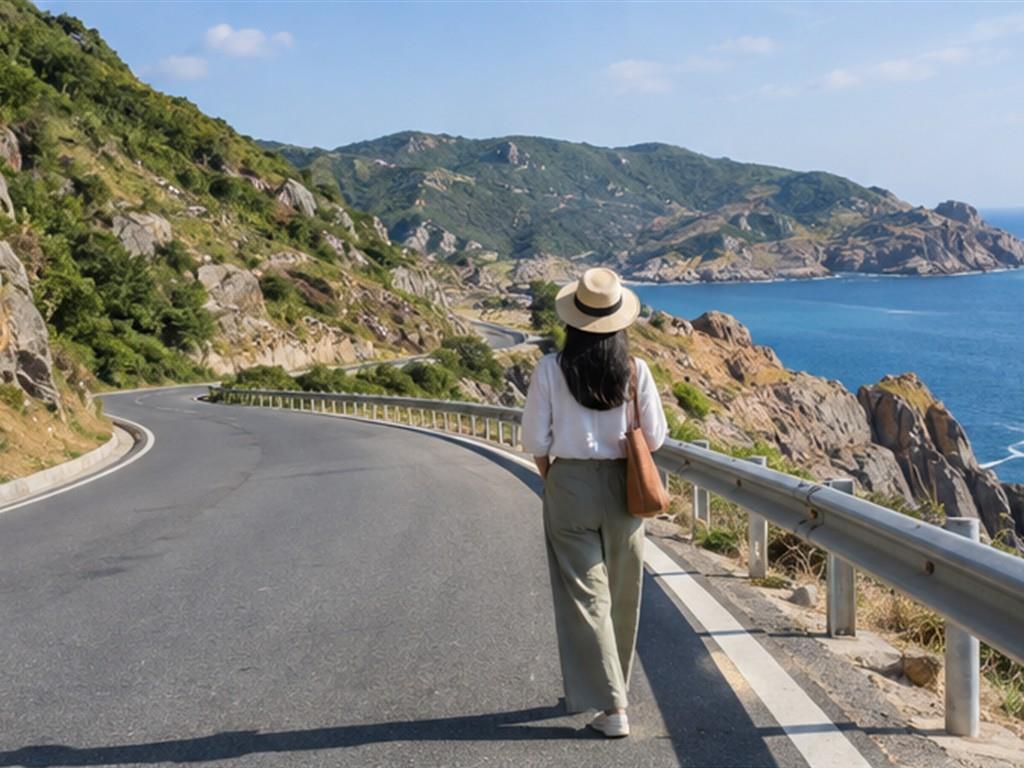
On the second day, pick one cluster along the coast
Ky Co, Eo Gio and Hon Kho are usually mentioned together, but boat conditions, the swell and the number of visitors all vary. Choose one main experience and book through an operator that provides life jackets and has a postponement policy for bad weather.
A fishing village is where people work. Stand out of the way, do not block the boats, ask permission before photographing faces close up and avoid touching the gear. For seafood, ask the price by weight, the weight before cooking and the charge for preparing it.
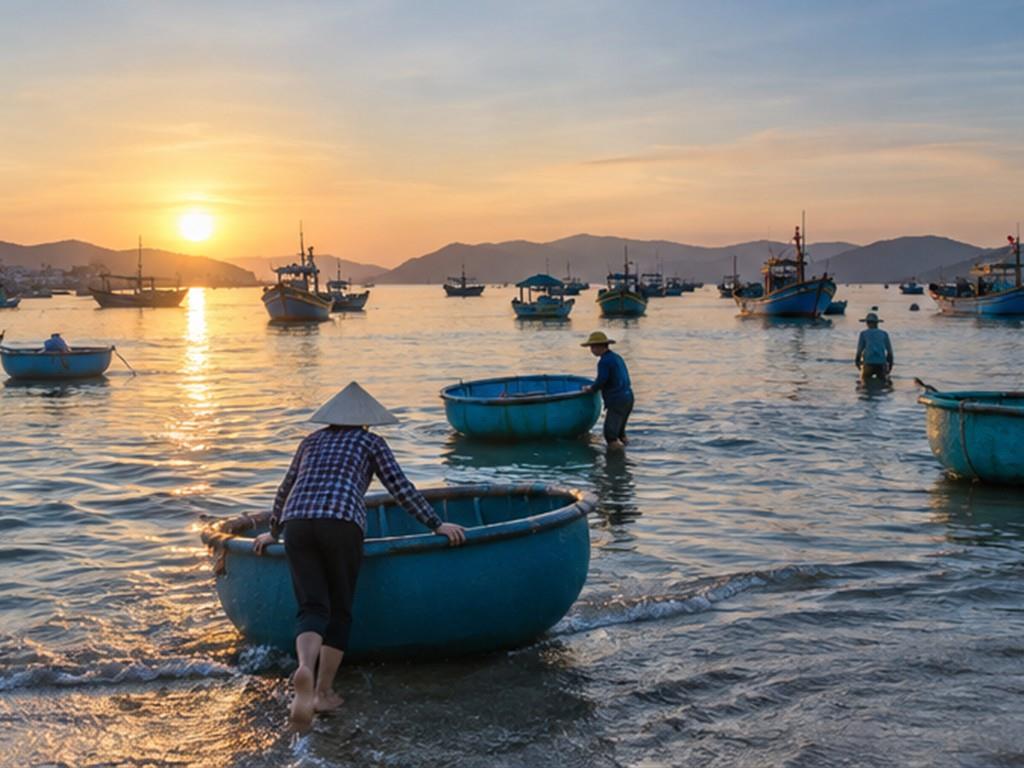
The third day: add some history, or leave the morning empty
Binh Dinh also has Cham remains and plenty of cultural spaces away from the sea. You can give the last morning to a historical site that is on a convenient route, or simply go to the market and have a coffee if the group is tired.
Do not book an island trip right up against your flight or train. A rough sea can change the return schedule. Keeping the last half-day flexible lets the trip end calmly.
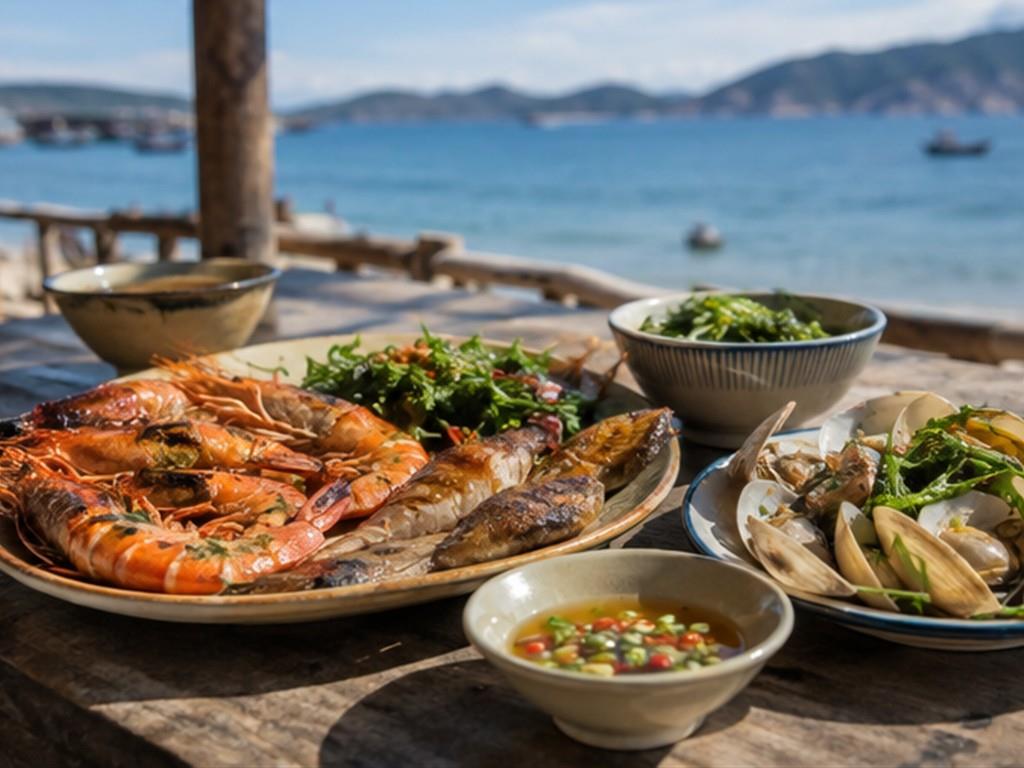
An itinerary needs room to breathe
Each day should have one main experience and one or two supporting stops in the same area. The time a map gives you does not include finding transport, stopping to eat, buying tickets or waiting out the weather. Leave a margin, especially before a flight, a train or a long coach journey. Prices, opening hours and access conditions can change, so confirm with the operator before the day you travel.
Mornings suit outdoor activity, the middle of the day is for eating and resting, and the afternoon should stay flexible according to how everyone feels. A group with small children, older people or anyone not used to walking should cut the number of stops. A good trip is not the fullest schedule but the one where everyone still has the energy to look around and talk.
Safety and responsibility at the destination
Carry your documents, personal medication, water, a power bank and enough cash. Do not drive a difficult road without the experience, do not climb barriers for a photograph and do not go into the water where there is a warning. For trekking or sea activities, use an operator with clear safety procedures and check the equipment before setting out.
Ask permission before photographing residents, and do not turn their homes or their work into props. Take rubbish to a collection point, use water sparingly and buy local products with a suitable provenance. Respect is what lets a place keep its own rhythm of life after the visitors have gone.
A practical way to begin
Book a place close to your main needs, give the second day to exactly one coastal cluster and keep the third morning flexible. Confirm the weather, the transport and the cancellation terms the evening before.
Treat a plan as a frame of reference, check the details close to the date, and adjust it to your health, your budget and your actual circumstances. A good experience does not have to be perfect from the start; it needs to be clear enough to carry out and flexible enough not to become a pressure.
Quy Nhon does not need to be completed by working through a long list; part of the city's beauty lies in the time spent sitting still and watching the boats come back.



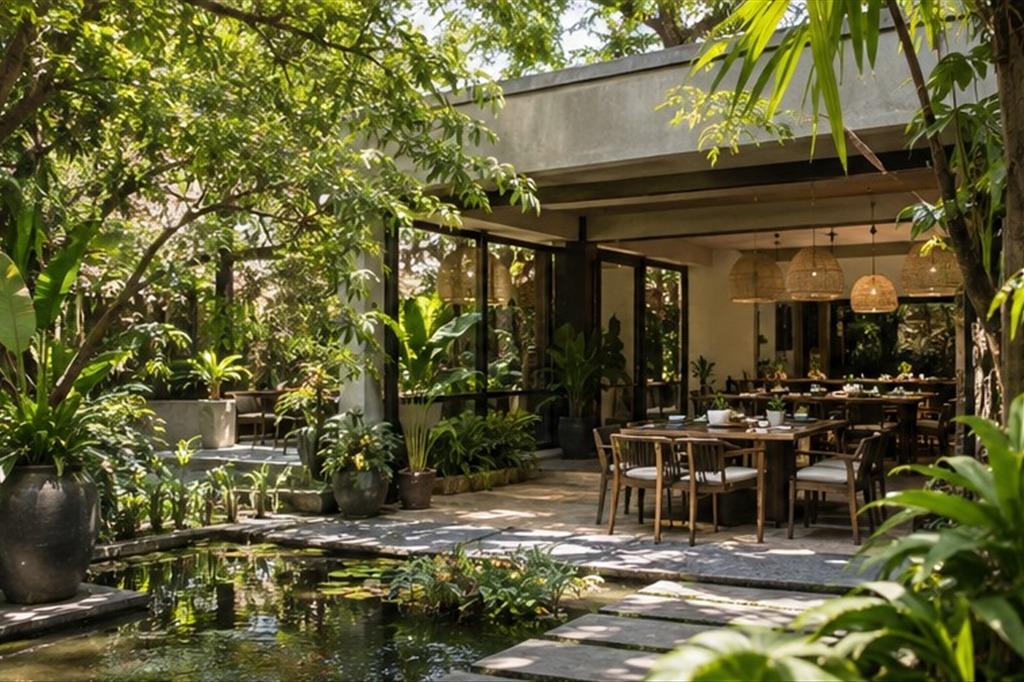 Man Moi Thao Dien reviewed: a Vietnamese shared table in a green garden setting
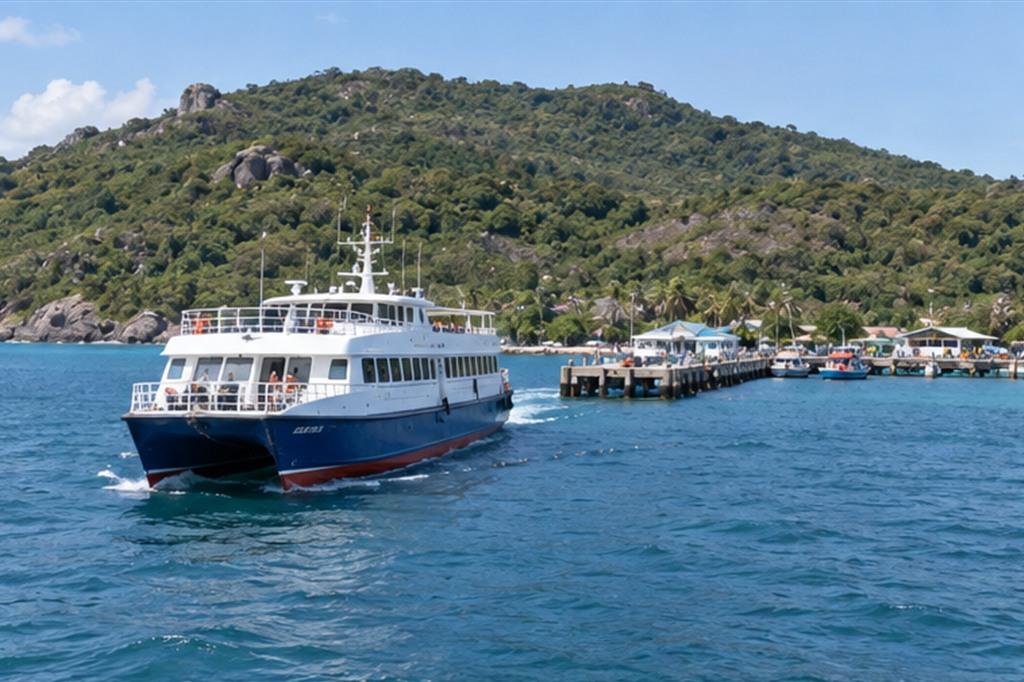 Island-hopping by boat in Vietnam on your own: keeping the plan flexible when the sea turns
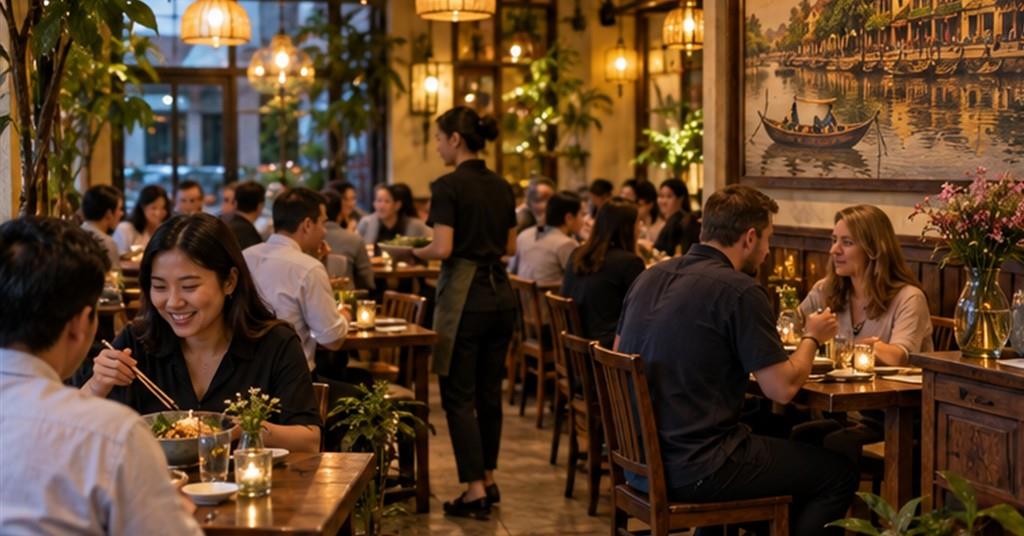 A fair restaurant review: seven questions to answer before you give a score
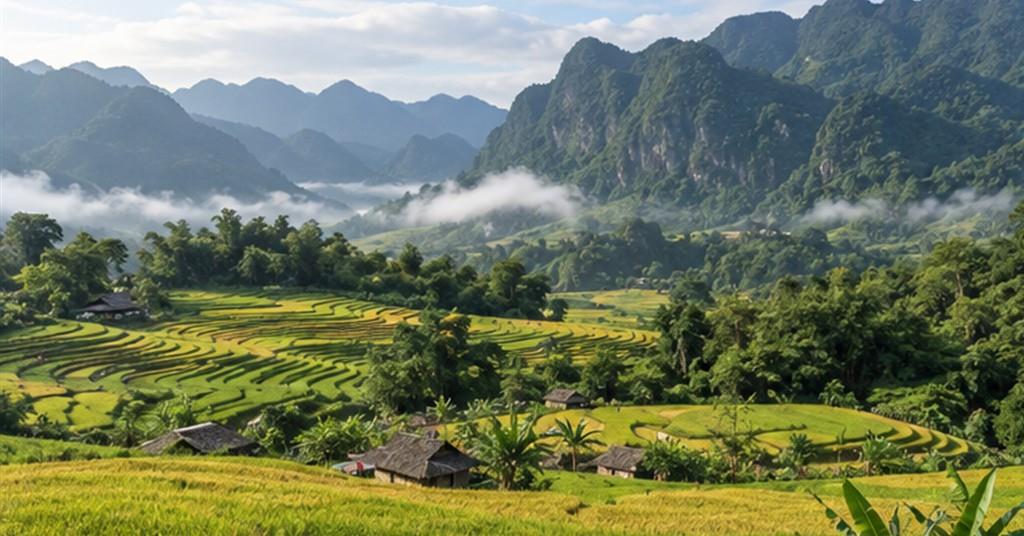 A first trek in Pu Luong: pick a route you can manage and walk it responsibly
 Da Lat without chasing sights: a slow three-day plan with room to breathe
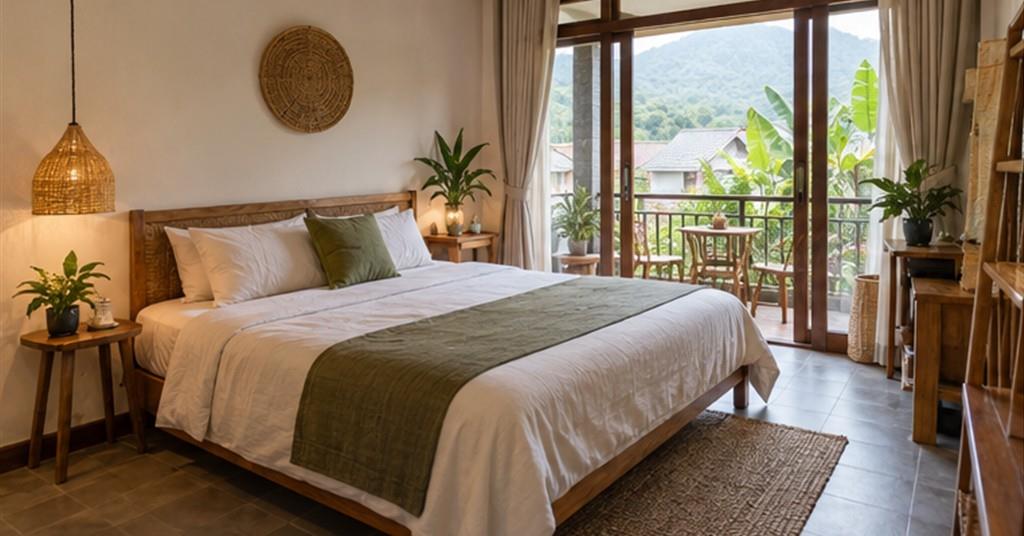 Is a homestay worth staying in? Do not judge by the pretty room alone
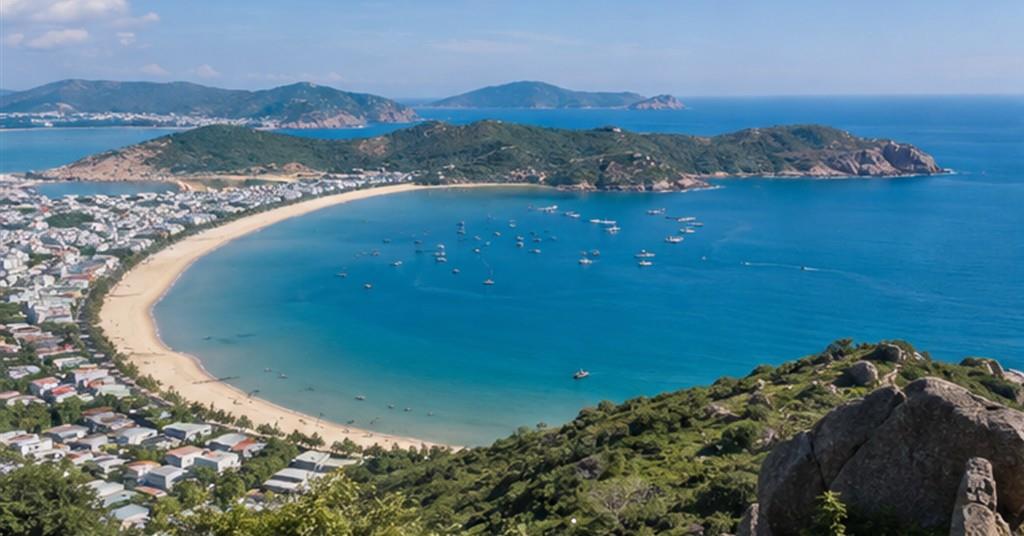 Three days in Quy Nhon: a plan for the sea, a fishing village and a real rest
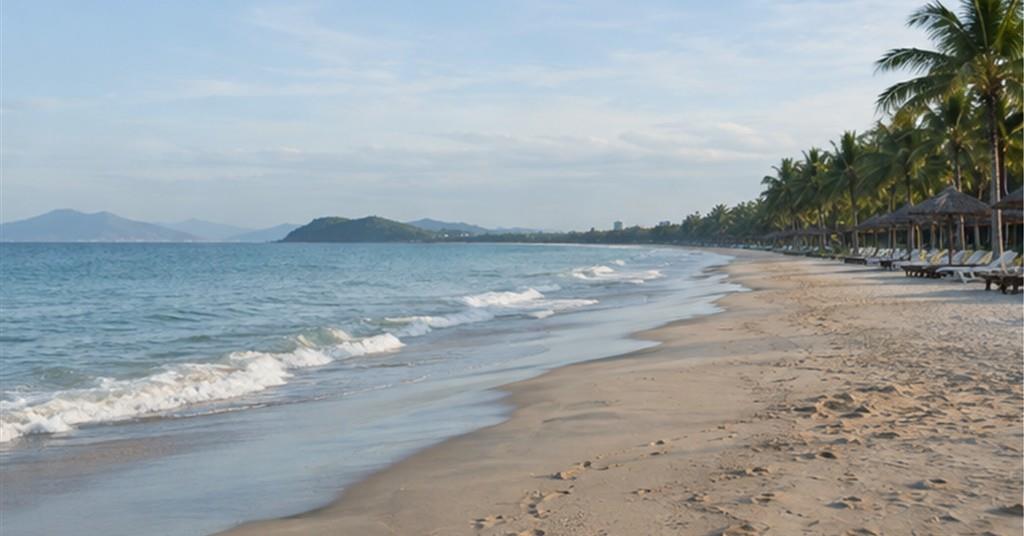 Central Vietnam's beaches after high season: quieter, but what should you watch for?
Đăng nhập để bình luận: / Sign in to comment: