



SAPA TRAVEL IN SUMMER
While northern provinces are entering the peak heat of summer, visiting Sapa during this time allows you to feel cool and comfortable, where daily temperatures range from only 20 to 25 degrees Celsius, and even drop below 20 degrees in some areas. In addition, the wide variety of tourism experiences and majestic natural landscapes consistently make Sapa a top choice for travel.
1. Diverse landscapes that captivate every eye
Located in the remote high mountains of Northwestern Vietnam, Sapa is famous as a land of stunningly winding terraced rice fields, leaf-horn melodies, and vibrant love markets. The blend of customs from over 30 highland ethnic minority groups weaves a charming, colorful cultural tapestry for Sapa. Moreover, Sapa's beauty is enhanced by the heavenly majesty of the Northwest mountain region with rolling peaks and, in the distance, Fansipan Peak—considered the highest mountain in Vietnam and the Roof of Indochina.

2. Experience four seasons in a single day
Sapa sits at approximately 1,650 meters above sea level and features one of the coolest climates in Vietnam. The weather here offers four seasons in one day: spring-like weather in the morning, gradually shifting to summer around noon with gentle sunlight and mild temperatures, a cloudy and foggy afternoon bringing the crisp chill of autumn, and the cold of winter at night.
3. A rich variety of travel styles
When visiting Sapa, you can choose your preferred style of travel, whether resort relaxation or adventure exploration. Sapa is truly an ideal destination where every traveler can find their own joy—be it conquering Fansipan Peak, strolling along small streets to watch locals trade, visiting ethnic minority villages, learning about the indigenous way of life, or simply sitting by a warm fire enjoying a good book.

4. Conquering the Roof of Indochina
Standing at 3,143m in the Hoang Lien Son range, Fansipan is the highest peak in Vietnam as well as the three Indochinese countries, making it a thrilling challenge for many trekkers. Try visiting at least once to experience the journey through bamboo forests to cardamom groves, feeling a thrill at the sound of calling gibbons, or holding your breath along steep rocky inclines. Daunting as the trek to Fansipan may seem, it is sure to be immensely rewarding as you gaze out over the vast expanse of sky and earth.

5. Strolling to explore local villages
When in Sapa, walking through Muong Hoa Valley—one of the Northwest's most beautiful valleys, famous for its vast terraced fields—is an unmissable experience. On this journey, you will also have the opportunity to visit the villages of the Black Hmong (Lao Chai) and Giay (Ta Van), or wander over to Ta Phin to learn about the daily lives of the Red Dao and Black Hmong, chatting with locals to understand the differences in their traditional cultures.

6. Colorful weekend markets
Sapa is known not only for its poetic mountain scenery, but also for its unique highland markets deeply imbued with local culture and character, which are a major highlight of Sapa tourism. Notable colorful markets include Bac Ha, Coc Ly, Muong Hum, and Can Cau. Markets in Sapa are often simple temporary stalls set up in an open field surrounded by dirt roads, yet the rich variety of local produce and handicrafts makes these markets an enchanting attraction that captivates every visitor.

1. Diverse landscapes that captivate every eye
Located in the remote high mountains of Northwestern Vietnam, Sapa is famous as a land of stunningly winding terraced rice fields, leaf-horn melodies, and vibrant love markets. The blend of customs from over 30 highland ethnic minority groups weaves a charming, colorful cultural tapestry for Sapa. Moreover, Sapa's beauty is enhanced by the heavenly majesty of the Northwest mountain region with rolling peaks and, in the distance, Fansipan Peak—considered the highest mountain in Vietnam and the Roof of Indochina.
2. Experience four seasons in a single day
Sapa sits at approximately 1,650 meters above sea level and features one of the coolest climates in Vietnam. The weather here offers four seasons in one day: spring-like weather in the morning, gradually shifting to summer around noon with gentle sunlight and mild temperatures, a cloudy and foggy afternoon bringing the crisp chill of autumn, and the cold of winter at night.
3. A rich variety of travel styles
When visiting Sapa, you can choose your preferred style of travel, whether resort relaxation or adventure exploration. Sapa is truly an ideal destination where every traveler can find their own joy—be it conquering Fansipan Peak, strolling along small streets to watch locals trade, visiting ethnic minority villages, learning about the indigenous way of life, or simply sitting by a warm fire enjoying a good book.
4. Conquering the Roof of Indochina
Standing at 3,143m in the Hoang Lien Son range, Fansipan is the highest peak in Vietnam as well as the three Indochinese countries, making it a thrilling challenge for many trekkers. Try visiting at least once to experience the journey through bamboo forests to cardamom groves, feeling a thrill at the sound of calling gibbons, or holding your breath along steep rocky inclines. Daunting as the trek to Fansipan may seem, it is sure to be immensely rewarding as you gaze out over the vast expanse of sky and earth.
5. Strolling to explore local villages
When in Sapa, walking through Muong Hoa Valley—one of the Northwest's most beautiful valleys, famous for its vast terraced fields—is an unmissable experience. On this journey, you will also have the opportunity to visit the villages of the Black Hmong (Lao Chai) and Giay (Ta Van), or wander over to Ta Phin to learn about the daily lives of the Red Dao and Black Hmong, chatting with locals to understand the differences in their traditional cultures.
6. Colorful weekend markets
Sapa is known not only for its poetic mountain scenery, but also for its unique highland markets deeply imbued with local culture and character, which are a major highlight of Sapa tourism. Notable colorful markets include Bac Ha, Coc Ly, Muong Hum, and Can Cau. Markets in Sapa are often simple temporary stalls set up in an open field surrounded by dirt roads, yet the rich variety of local produce and handicrafts makes these markets an enchanting attraction that captivates every visitor.



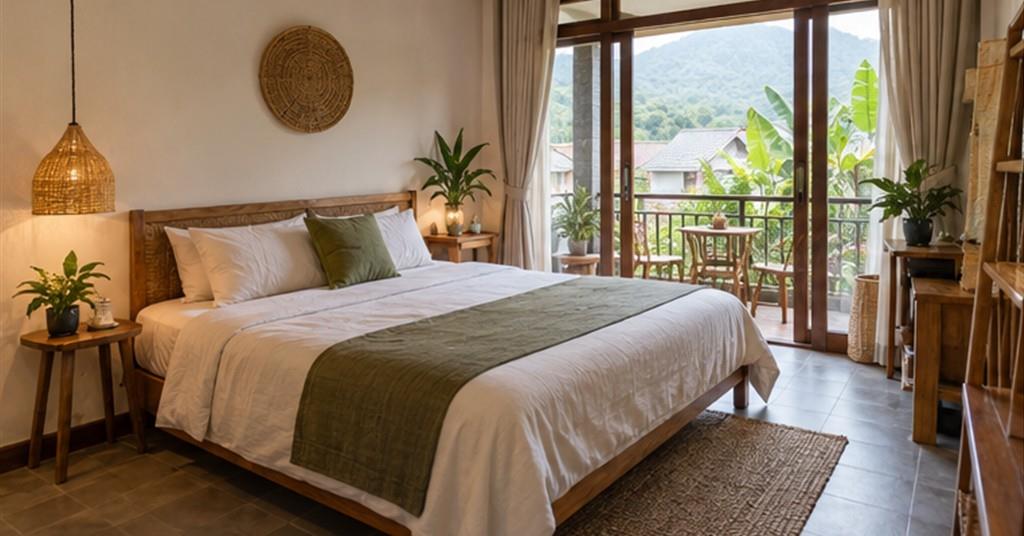 Is a homestay worth staying in? Do not judge by the pretty room alone
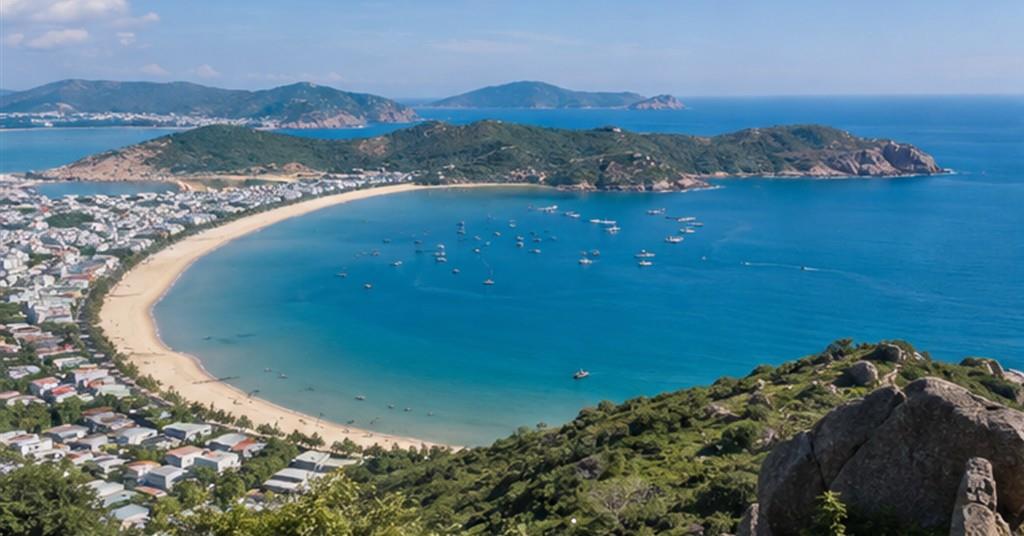 Three days in Quy Nhon: a plan for the sea, a fishing village and a real rest
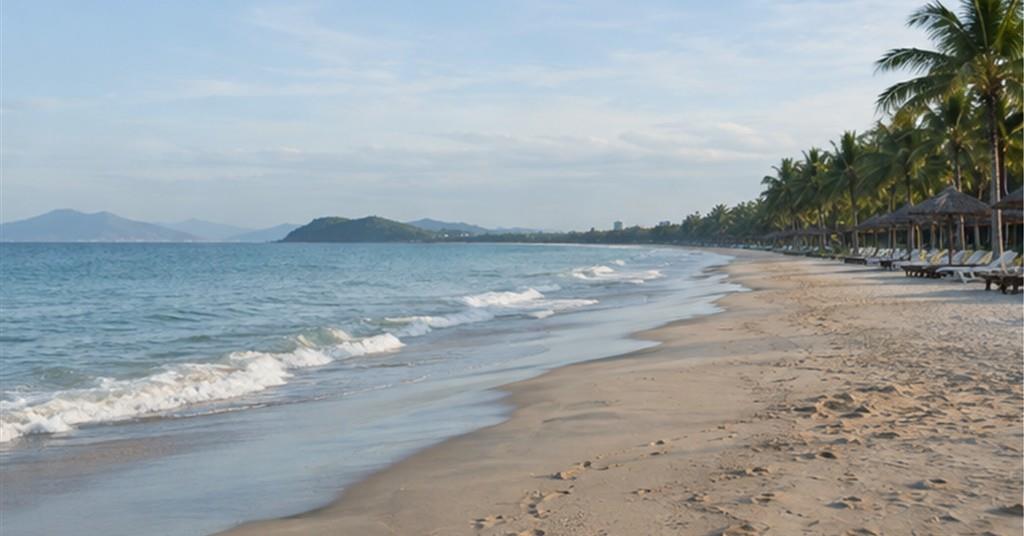 Central Vietnam's beaches after high season: quieter, but what should you watch for?
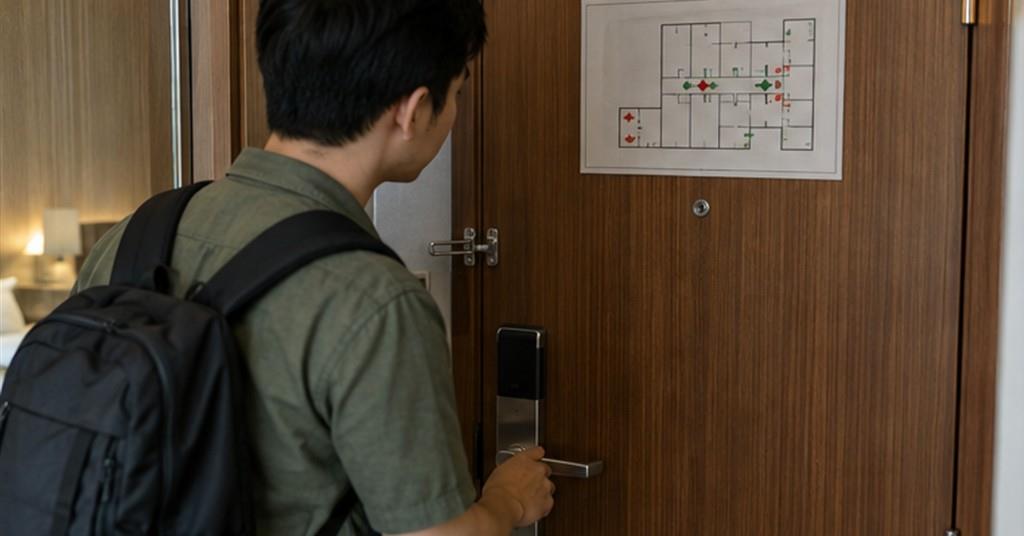 Checking into a hotel: 12 things to look at before you open your luggage
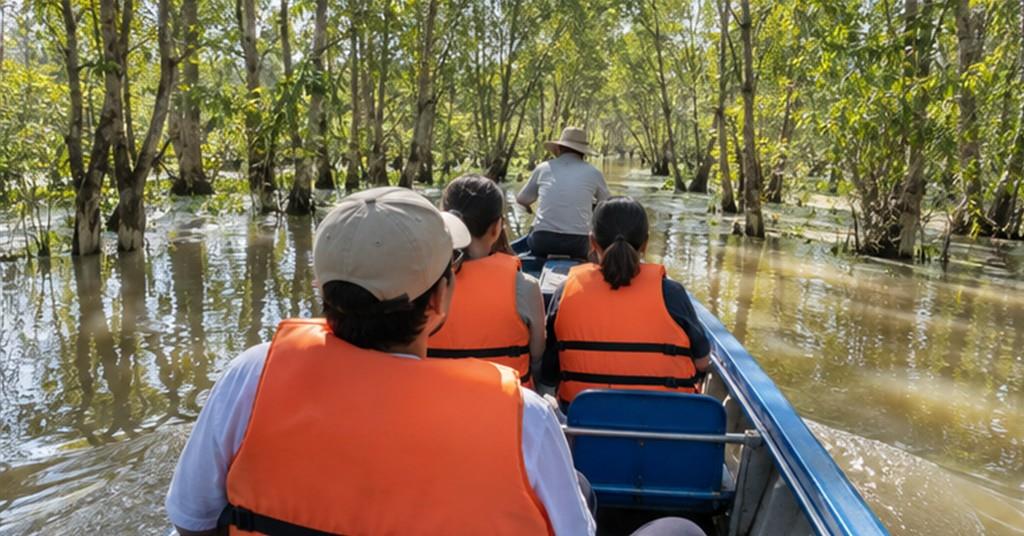 Visiting the Mekong Delta in the flood season: what to prepare for a safe and decent trip
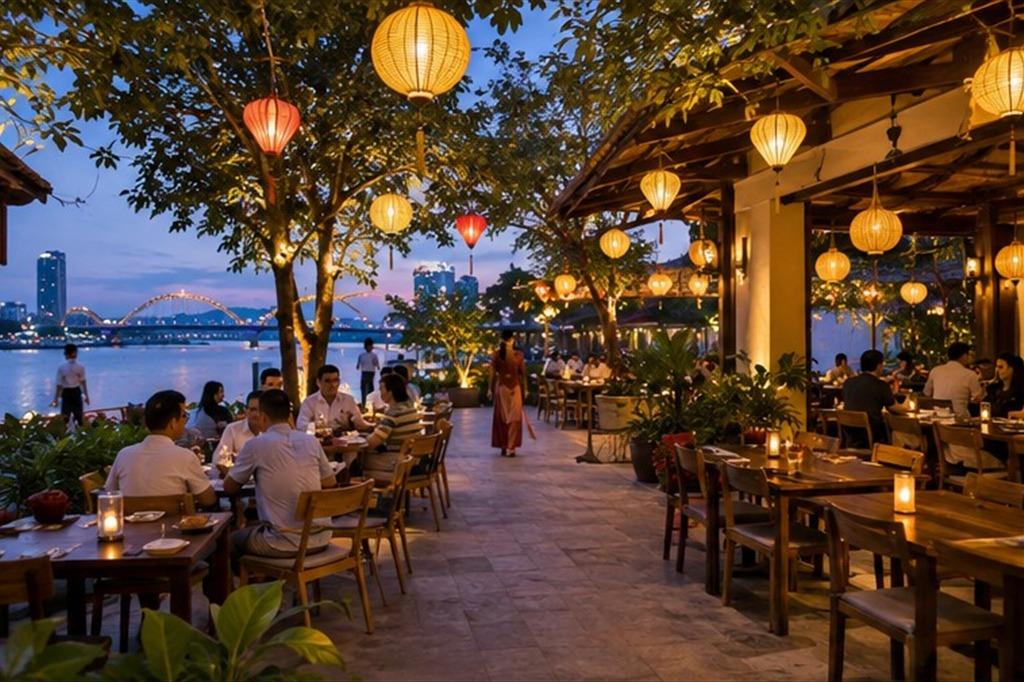 Madame Lan review, Da Nang: a Vietnamese meal by the Han river that suits families and larger groups
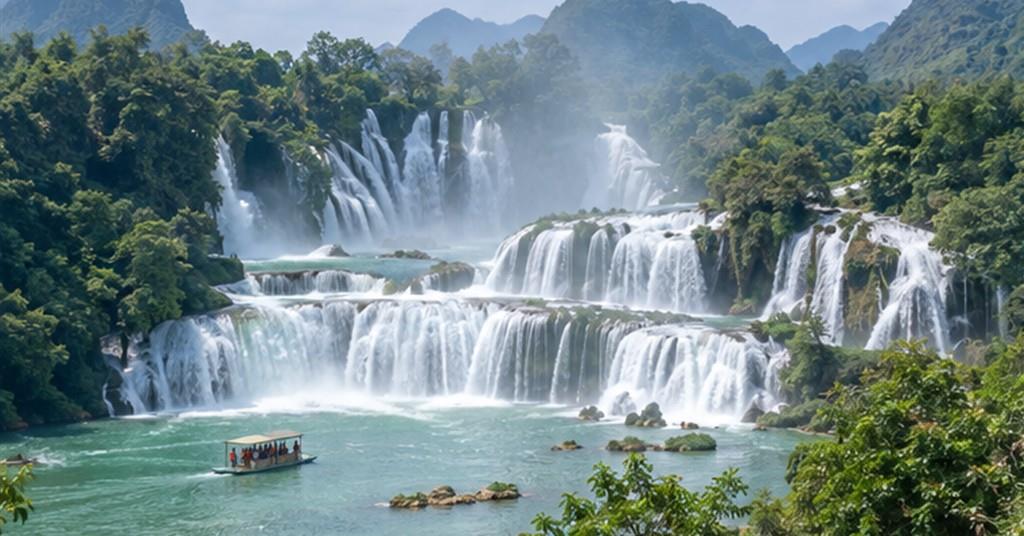 A weekend in Cao Bang: which route keeps you from getting worn out?
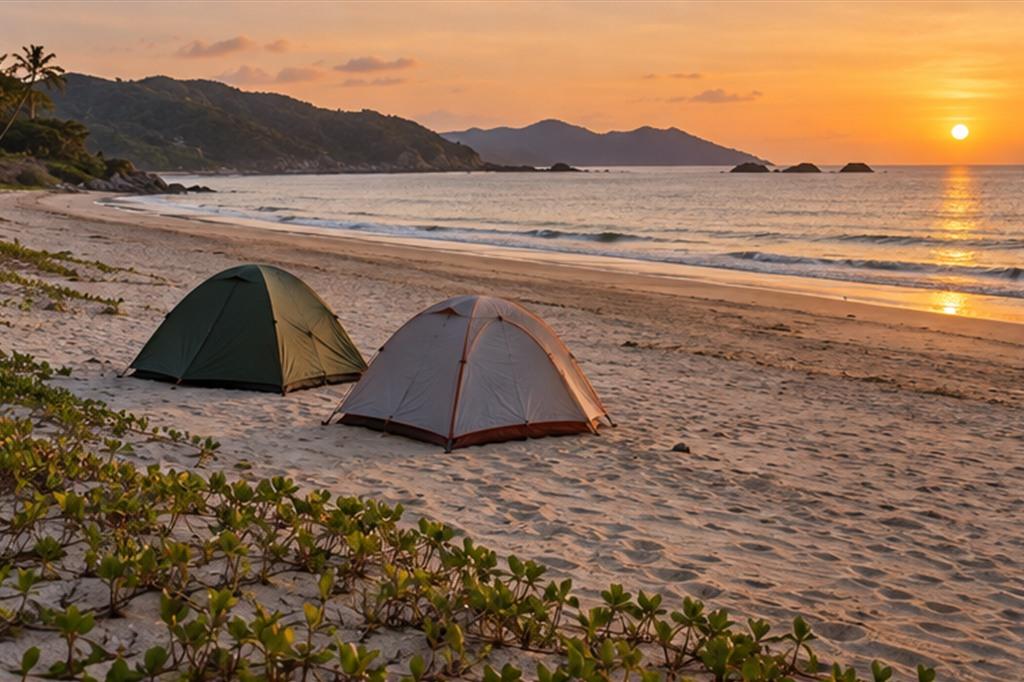 Coastal camping in Vietnam: reading the tide, avoiding strong wind and leaving no rubbish
Đăng nhập để bình luận: / Sign in to comment: