



A fair restaurant review: seven questions to answer before you give a score
One meal that did not suit your taste is not enough to conclude that a restaurant is bad. A fair review answers seven questions about context, food, hygiene, service, timing, cost and how problems were handled.
The first three questions: context and food
What day did you go, at what time, with how many people, and did you book? A quiet lunchtime restaurant is usually not the same place on a weekend evening. Recording the context helps readers make sense of the waiting time and the pace of service.
What did you order, what were the portions like, and was the food served at the right temperature? Describe the aroma, the taste, the texture and how well it was cooked. State your personal preferences openly instead of turning them into a universal standard.
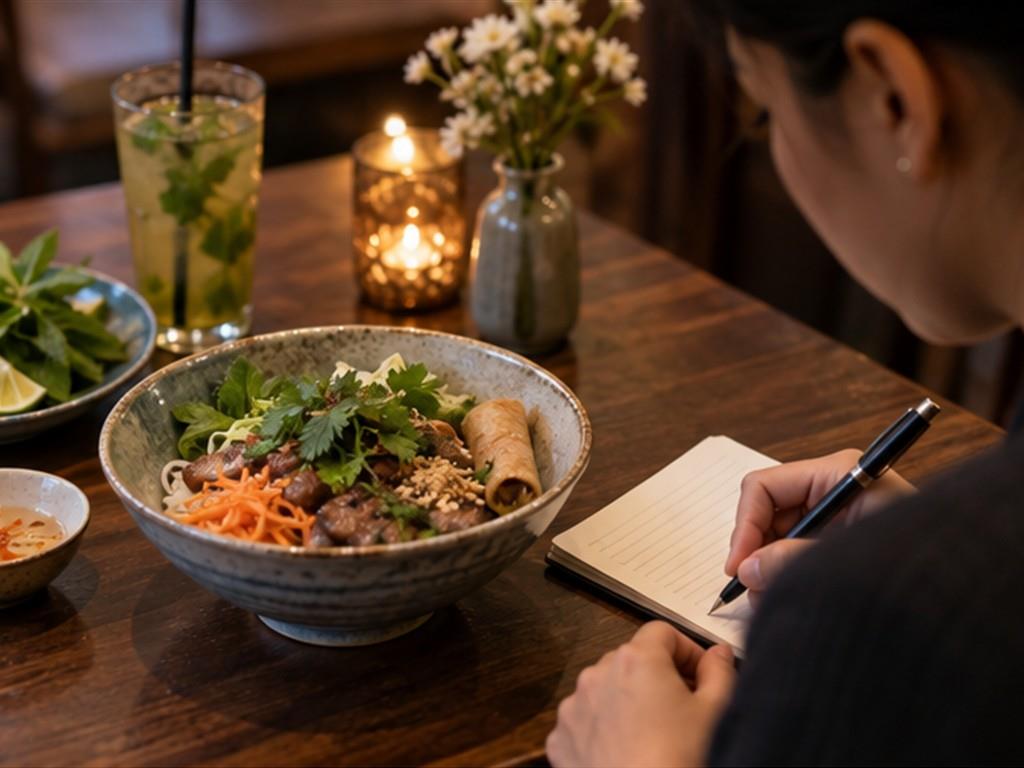
Two questions about hygiene and service
Were the tables, the utensils, the toilets and the way staff handled food in view of you clean? Do not walk into the kitchen to check on your own initiative. Record only what you could observe, and report anything unsafe at once.
Did the staff confirm your requests, tell you when something had run out and respond when called? Do not judge someone's character from a single expression. Focus on service behaviour and specific timings.
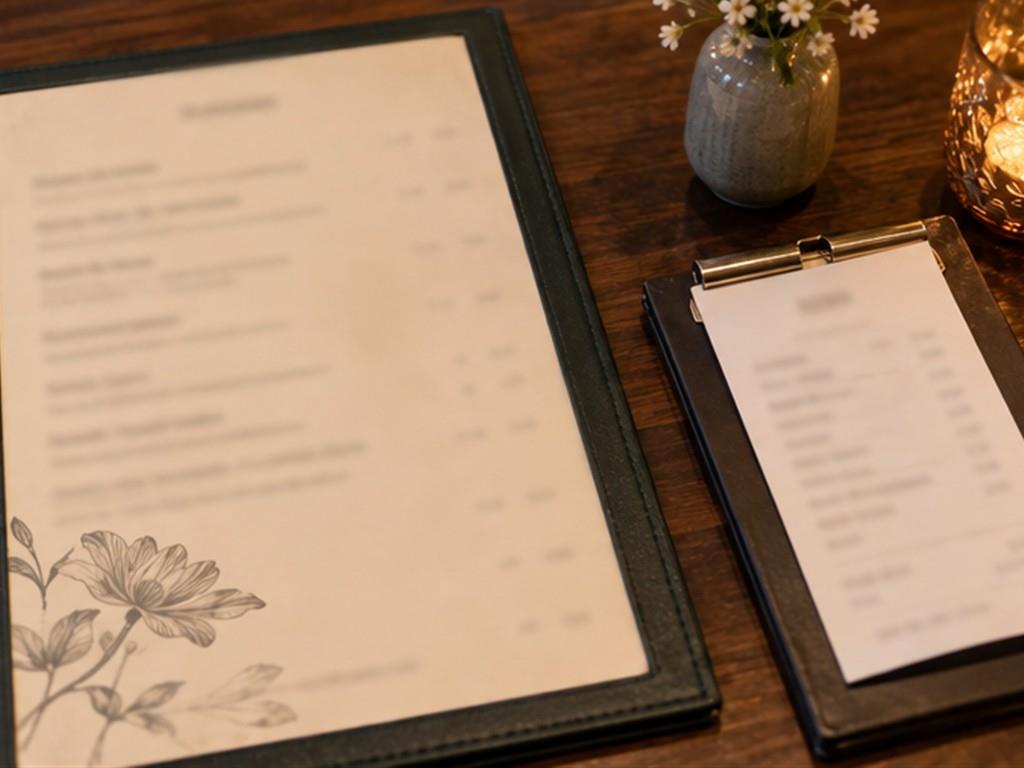
The last two questions: money and putting things right
Did the bill match the dishes, the prices, the tax and the surcharges you were told about? Set the total cost beside the portions, the location and the type of restaurant. Compare only within the same bracket.
When a dish was wrong or late, did the restaurant explain and offer a solution? Raise it there first. A place that puts its mistakes right of its own accord deserves to have that noted alongside the incident.
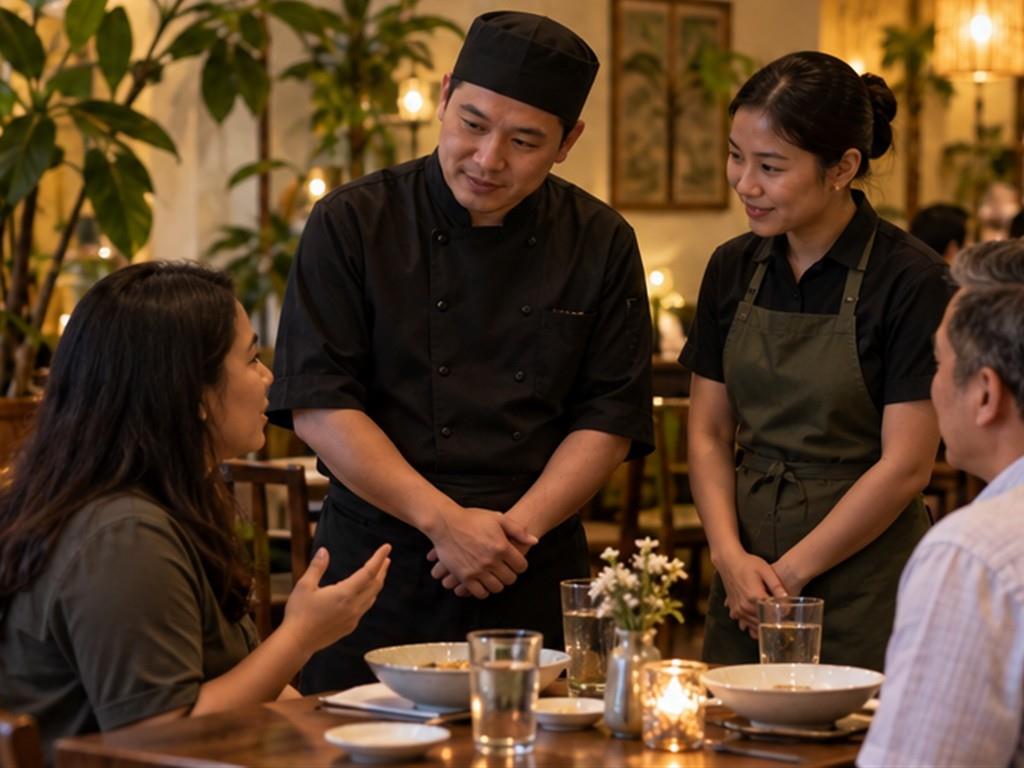
A review has to separate facts from feelings
A useful review states when the experience took place, the price, the type of service and what the writer needed. Only then does it describe what was observed: cleanliness, noise, waiting time, the quality of the food or the room, the attitude of the staff and how problems were handled. The phrase not worth the money only means something when the reader knows what was paid for.
Photographs should reflect both the strengths and the shortcomings, without intruding on the privacy of staff or other guests. If something is wrong, tell the establishment and give them a chance to deal with it. A mistake fixed quickly is not the same as a systemic problem that was ignored; a fair piece of writing needs to tell the two apart.
Total cost, and how well it fits
The listed price is not the whole cost. Add the service charge, tax, transport, anything ordered on top, surcharges or time spent waiting. A more expensive place can be the sensible choice if it saves distance and matches what you need; a place that looks beautiful in photographs may not suit a family with small children or someone who needs quiet.
At the end, say plainly who the place suits, who it does not, and what should be confirmed in advance. A trustworthy review does not decide for the reader. It supplies enough context for each person to weigh things up.
A practical way to begin
After the meal, write seven lines answering the seven questions before giving a score. Let your feelings settle, check the bill and delete any photograph that shows another customer's face.
Treat a plan as a frame of reference, check the details close to the date, and adjust it to your health, your budget and your actual circumstances. A good experience does not have to be perfect from the start; it needs to be clear enough to carry out and flexible enough not to become a pressure.
A review carries weight not through harsh words but through clear context, specific observation and fairness to the reader and to the people serving alike.



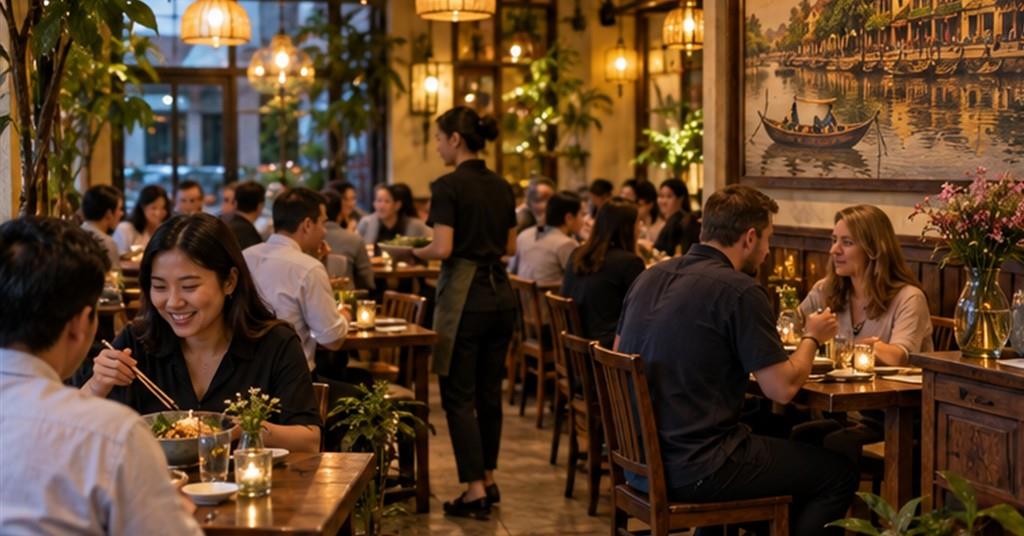 A fair restaurant review: seven questions to answer before you give a score
 A first trek in Pu Luong: pick a route you can manage and walk it responsibly
 Da Lat without chasing sights: a slow three-day plan with room to breathe
 Is a homestay worth staying in? Do not judge by the pretty room alone
 Three days in Quy Nhon: a plan for the sea, a fishing village and a real rest
 Central Vietnam's beaches after high season: quieter, but what should you watch for?
 Checking into a hotel: 12 things to look at before you open your luggage
 Visiting the Mekong Delta in the flood season: what to prepare for a safe and decent trip
Đăng nhập để bình luận: / Sign in to comment: