



Checking into a hotel: 12 things to look at before you open your luggage
Ten minutes of checking as soon as you take the room helps you find faults early, makes changing rooms easier and avoids arguments at check-out. There is no need to be fussy; just follow a clear sequence.
Four points about safety and sleep
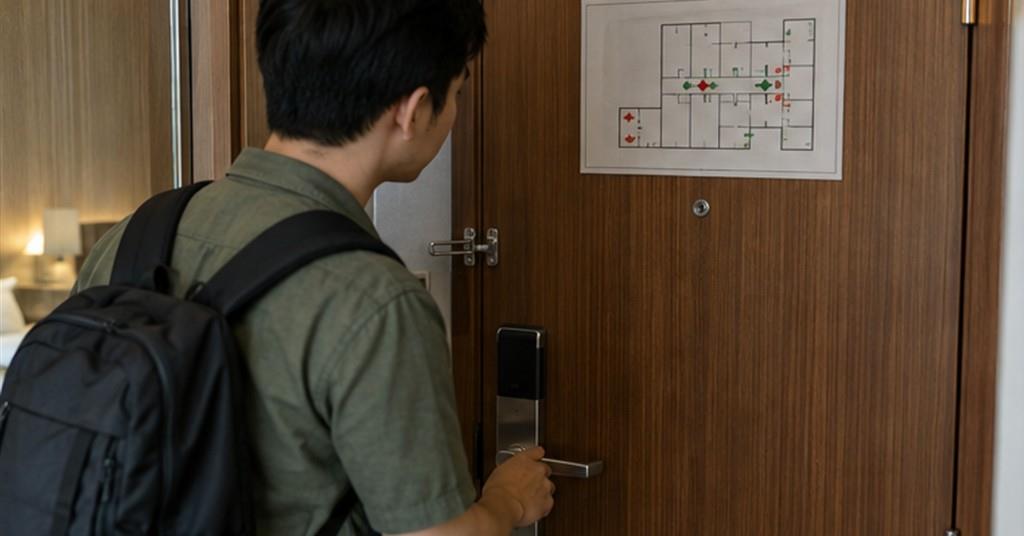
Check the door lock, the secondary latch, the escape plan and the nearest exit. Then look at the linen, the mattress and how the room smells. If there is a stain or anything out of the ordinary, photograph it and call reception before you put luggage on the bed.
Close the door and stand still for a minute to hear the corridor, the machinery and the street. Draw the curtains to see how well they block the light. A light sleeper should sort out a room change straight away, not wait until the middle of the night.
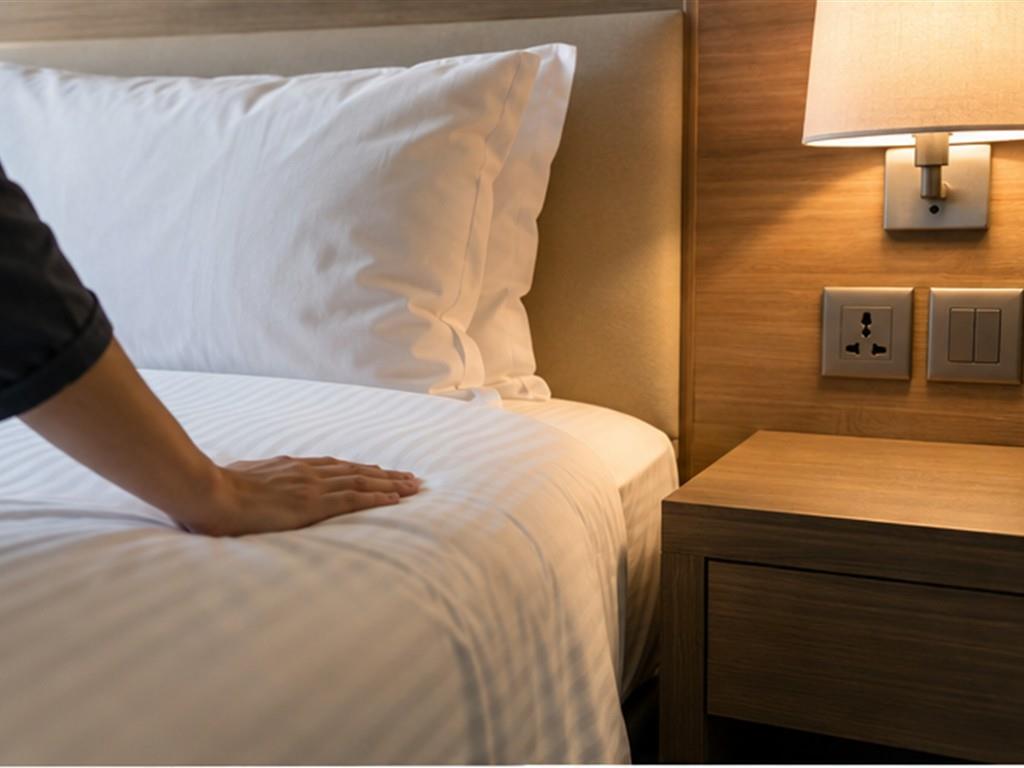
Four points about the bathroom and the fittings
Run the hot water and check the pressure, the floor drain and the towels. See whether the floor is slippery or water is leaking. Do not use an electrical appliance near a wet area if the socket looks loose.
Turn on the air conditioning, the lights and the television if you need it, and test the socket by the bed. Check the safe, but do not leave anything important in it if the instructions are unclear. Report anything broken at once, so you are not held responsible for it.
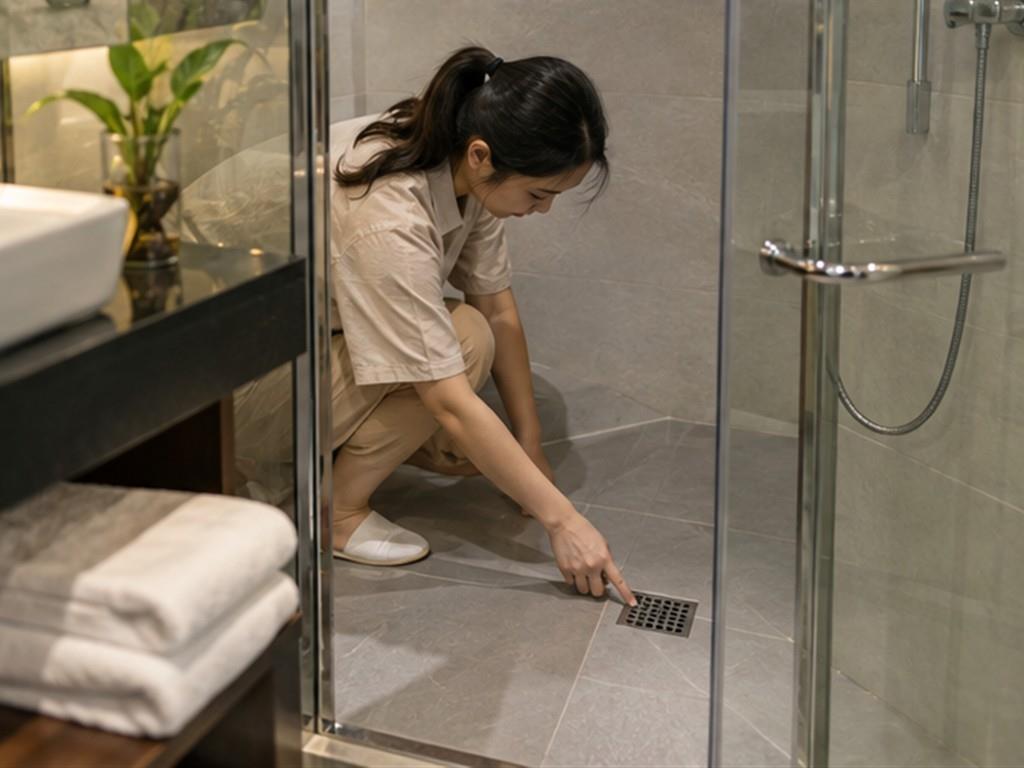
Four points about service and cost
Compare the room category, the bed type, the number of guests and the amenities against your confirmation. Ask which drinks are free, how the minibar is charged, and the hours for breakfast and check-out.
Confirm the Wi-Fi, the reception number and the housekeeping policy. If there is a deposit, keep the receipt. Take a quick photograph of the state of anything fragile if you find it already damaged.
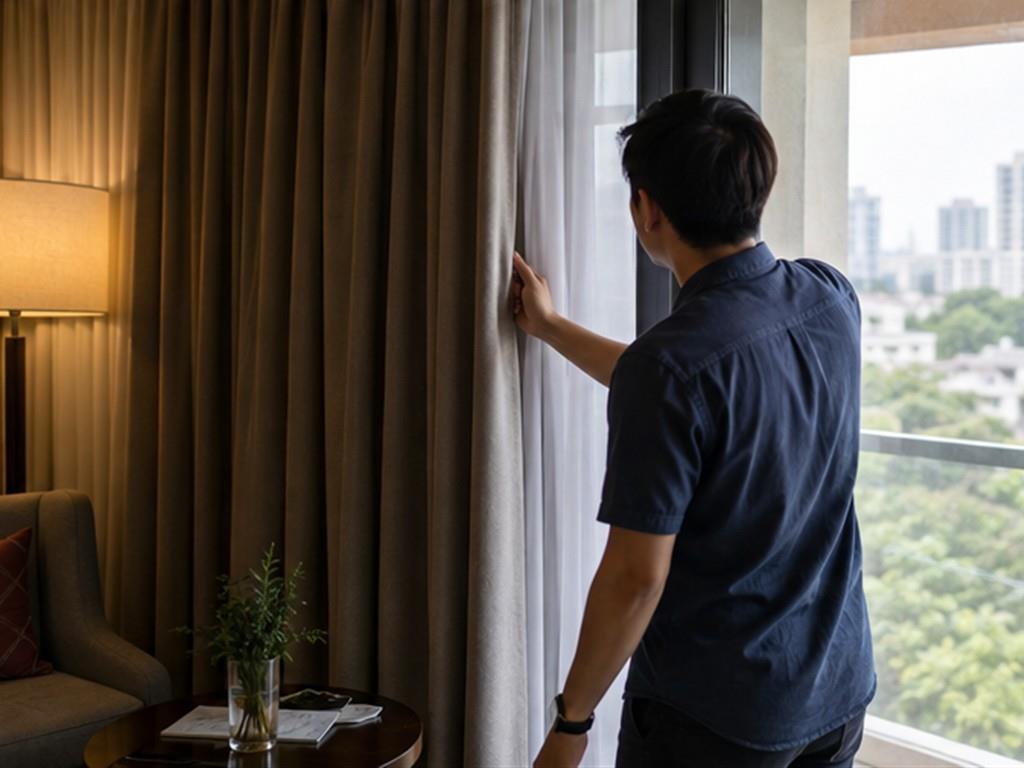
Judging by criteria, not only by feeling
A useful review separates three layers: what the property promised, what the writer observed, and personal impressions. Location, size, amenities, noise, cleanliness, sleep quality and how problems were handled should all be described concretely. The phrase “not worth the money” only means something when the reader knows the rate, the booking date, the room type and what the guest needed.
Photographs should record both the good points and the shortcomings, without intruding on the privacy of staff or other guests. If something is wrong, tell the property and give them a chance to put it right before drawing conclusions. A mistake fixed quickly is not the same as a systemic failure that was ignored; a fair review needs to tell the two apart.
The room rate is only part of the total cost
You have to add taxes and fees, breakfast, parking, transport, extra-person charges, additional beds and the cancellation terms. A cheap room far from where you need to be can push the total higher. Conversely, a central location is not necessarily worth the money if the aim is a quiet rest. Comparisons must be made over the same dates, the same policies and equivalent room categories.
Before booking, save a screenshot of the terms, read recent reviews and contact the property to confirm anything that matters. Afterwards, state clearly when you stayed, since quality can change. A trustworthy review does not promise to decide for the reader; it supplies enough facts for each person to weigh things up.
A manageable way to begin
Work through the twelve points in order: lock, escape route, bed, noise, curtains, hot water, floor drain, towels, air conditioning, sockets, room category and extra charges. Only open your luggage once the basics are all right.
What matters is choosing an approach that fits your actual circumstances, watching how it goes and adjusting. A good plan does not have to be perfect the first time; it needs to be clear enough to start and flexible enough to keep going.
Checking a room is not a sign of distrust. It is how both sides confirm the state of things, so that a stay begins clearly and with less trouble.



 A fair restaurant review: seven questions to answer before you give a score
 A first trek in Pu Luong: pick a route you can manage and walk it responsibly
 Da Lat without chasing sights: a slow three-day plan with room to breathe
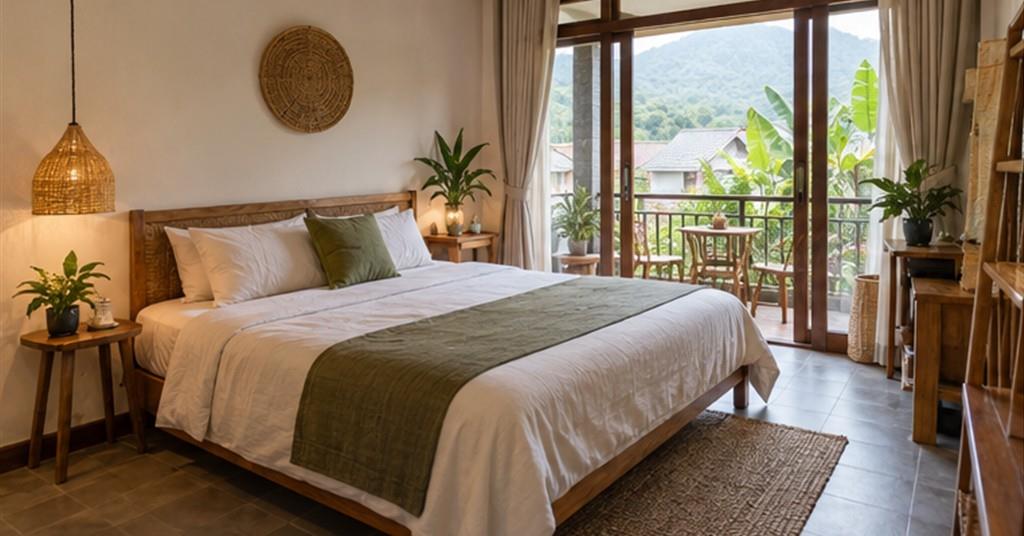 Is a homestay worth staying in? Do not judge by the pretty room alone
 Three days in Quy Nhon: a plan for the sea, a fishing village and a real rest
 Central Vietnam's beaches after high season: quieter, but what should you watch for?
 Checking into a hotel: 12 things to look at before you open your luggage
 Visiting the Mekong Delta in the flood season: what to prepare for a safe and decent trip
Đăng nhập để bình luận: / Sign in to comment: