



How to cook pho bo at home: a clear broth, fragrant and sweet from the bones
A good bowl of pho bo does not need an over-rich broth or a heavy hand with the sugar. What you want is a clear liquid with a deep sweetness drawn from bones and meat, the scent of charred onion and ginger, and the pho spices only faintly present in the finish. The recipe below makes six large bowls, uses an ordinary pot and can be started a day ahead.
Quick facts
- Serves: 6 people.
- Preparation: 40 minutes, not counting the soaking of the bones.
- Cooking: 4-5 hours.
- Difficulty: medium.
- Yield: about 3.5 litres of broth after straining.
Ingredients for six bowls
For the broth
- 2 kg beef marrow or knuckle bones, cut into pieces.
- 600 g brisket or flank in one piece.
- 5 litres of cold water, plus boiling water to top up.
- 2 onions, about 300 g, halved.
- 1 piece of mature ginger, about 120 g, split lengthways.
- 4 star anise, one 8 cm cinnamon stick, 1 black cardamom pod lightly crushed.
- 1 tablespoon of coriander seed, 3 cloves optional.
- 45-60 ml of good fish sauce, 18-22 g of salt and 15-20 g of rock sugar.
To serve
- 900 g of fresh pho noodles or 500 g dried.
- 300 g of tenderloin or eye of round to slice for the rare beef.
- Spring onion, coriander, thinly sliced onion, lime and chilli.
- Herbs, bean sprouts, chilli sauce or hoisin, according to how your family eats it.
Choosing and preparing so the broth has no off smell
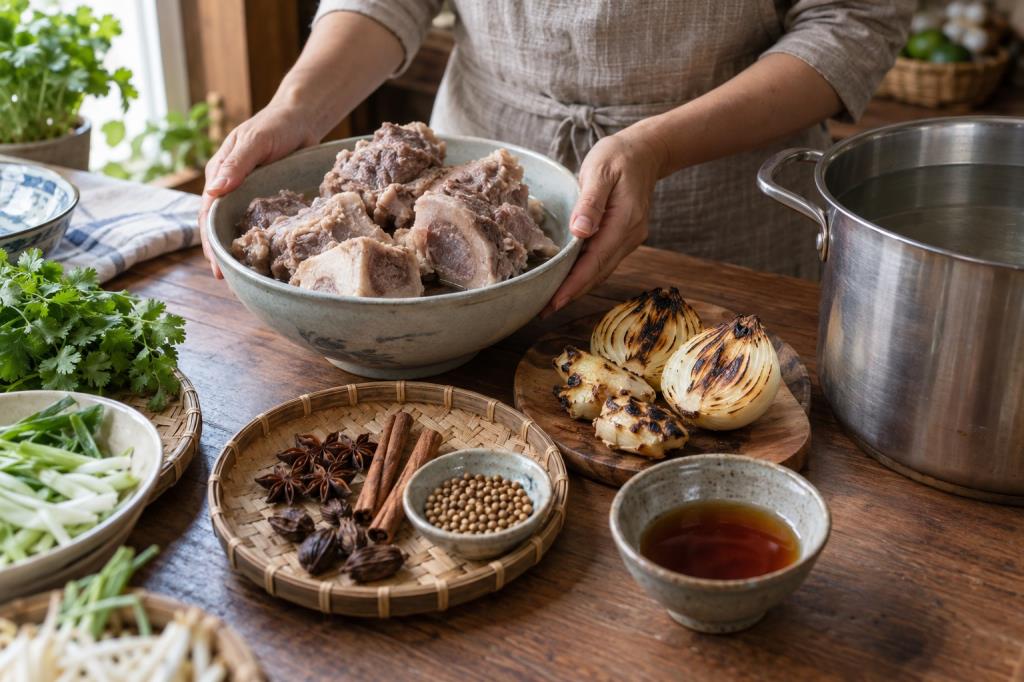
Choose bones that are still a natural pinkish red, not slimy and with no sour smell. Brisket with fine sinew turns tender without falling apart over a long simmer. Rinse the bones under running water, soak them in cold water for 30 minutes and pour that water away. Put the bones and the brisket in a pot, cover them with water and boil hard for 5 minutes. Discard all the blanching water, rinse every piece and wash the pot out. This step removes the clotted blood and the clinging protein, which are the main cause of a cloudy broth.
Char the onion and ginger in a cast-iron pan, over a flame or in the oven until the surface is browned in patches and fragrant; do not let them go black, which turns the broth bitter. Scrape off the loose burnt pieces and rinse them quickly. Toast the star anise, cinnamon, black cardamom and coriander seed over a low heat for 2-3 minutes until fragrant, then tie them into a cloth bag. Toasting them too long makes the essential oils harsh and drowns the smell of the meat.
Step 1: simmer the bones at the barest bubble
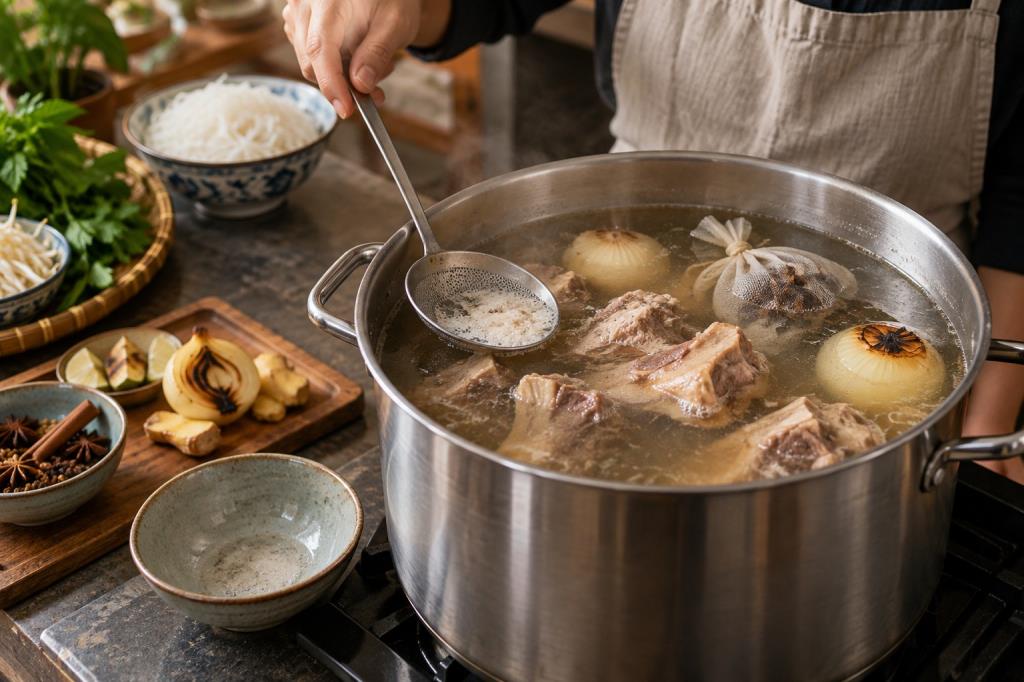
Put the rinsed bones in a clean pot with 5 litres of cold water. Bring it up until it is nearly boiling, skim the scum carefully during the first 15 minutes, then lower the heat until the surface only trembles with a few small bubbles. Do not cover it tightly. A rolling boil disperses fat and protein into an emulsion that clouds the broth, and adding cold water suddenly makes the temperature swing.
Add the brisket, the onion and the ginger. After about 75-100 minutes, push a chopstick through the brisket: when the meat is just tender but not yet falling apart, lift it out, soak it for 5 minutes in cooled boiled water with ice, then pat it dry and wrap it well. Cooling it quickly makes it easier to slice and keeps it from darkening. Keep the bones simmering for 4 hours in total; if the level drops, top it up only with boiling water.
Step 2: add the spices at the right moment
Add the bag of toasted spices for the last 60-75 minutes. Left in from the start for all 4 hours, cinnamon and star anise turn woody, darken the broth and lose their fresh smell. Smell it after 45 minutes; if the aroma is already clear, you can take the bag out early. Lift out the onion and ginger once they have gone soft.
Strain the broth through a fine sieve into a clean pot, let it stand for a few minutes and skim off the excess fat. Keep a very thin layer of fat to carry the aroma. Season with salt and rock sugar first, and add the fish sauce at the end while the pot is only just simmering. Broth tasted on its own should be a little stronger than you want it, because the noodles and the herbs will dilute it.
Step 3: slice the meat and prepare the noodles
Slice the cooled brisket across the grain, 2-3 mm thick. Pat the rare beef dry, put it in the freezer for 25-35 minutes to firm up, then slice it very thinly across the grain. Keep the rare beef in a cold container and use separate utensils from the raw herbs. If you are serving people at higher risk, such as young children, older people or pregnant women, cook the beef right through instead of serving it rare.
Separate fresh noodles gently and blanch them in portions in boiling water for 10-15 seconds, then shake them dry. Soak and cook dried noodles as the packet says and rinse them quickly in warm water to wash off surplus starch. Never leave the noodles sitting in the broth pot: the starch clouds it and the strands keep swelling.
Step 4: build the bowl and ladle the broth boiling hot
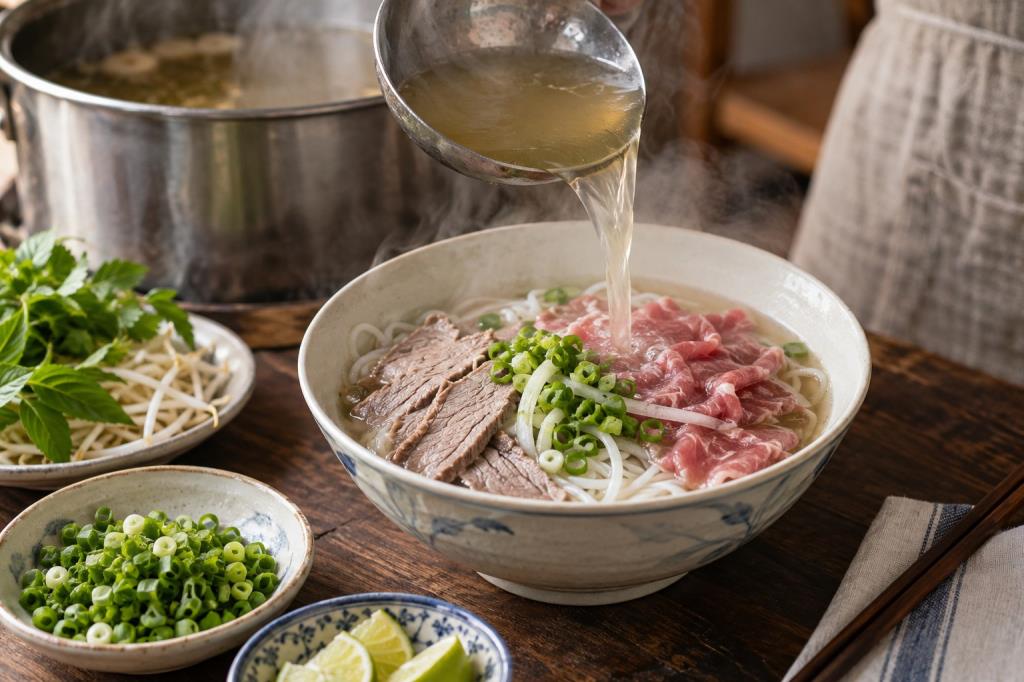
Warm the bowls with boiling water, then pour it away. Add the noodles, the brisket, the rare beef, the onion, the white of the spring onion and the chopped herbs. The broth must be back at a clear boil before you pour it straight over the thin slices of beef; ladle it twice if the bowl is large. Eat it at once so the noodles do not soak for too long.
Five small things that decide the quality
- Do not stir the bone pot: skim only at the surface so the sediment stays at the bottom.
- Spices in moderation: the smell of beef, onion and ginger has to arrive before the anise and cinnamon.
- Always top up with boiling water: it keeps the simmer going and limits cloudiness.
- Season after straining: only the final volume tells you the right level of salt.
- Slice across the grain: both the brisket and the rare beef are more tender that way.
How to rescue the usual mistakes
The broth has gone cloudy
Stop stirring, lower the heat and let the sediment settle for 15 minutes. Ladle the clear liquid from the top through a clean straining cloth into another pot; do not scrape the bottom. There is no need for egg white at home, as it easily takes the aroma with it. Next time blanch and rinse the bones more thoroughly and keep the heat lower.
The cinnamon and anise are overpowering
Take the spice bag out at once, add unspiced bone stock or a little boiling water and season again. Do not try to fix it with sugar. A freshly charred onion can help round the base aroma out.
It tastes thin even though it is salty
This is usually a lack of concentration rather than a lack of salt. Ladle out a portion, boil it uncovered to reduce it by 10-15% and stir it back in, or add concentrated bone stock. Adding more and more fish sauce only makes it salty and pungent.
Storing and reheating
Keep the broth, the noodles, the meat and the herbs separate. Strain the broth, divide it into shallow containers and cool it quickly; refrigerate within 2 hours. Use it within 3-4 days or freeze it in portions. Bring the broth to a full boil before serving; leftovers need reheating to 74C. Do not store soaked noodles sitting in liquid, as they go soft very quickly.
Allergies and adjustments
Fish sauce contains fish, and the sauces served alongside may contain soy, wheat or peanuts depending on the product. Anyone cutting down on sodium should use less fish sauce and salt rather than replacing them with more seasoning powder. If you are using packaged pho noodles on a gluten-free diet, read the label, as some are produced alongside wheat.
A schedule for hot pho the next morning
The afternoon before, blanch the bones and start the simmer early; as soon as the broth is done, strain it, divide it into shallow containers and chill it properly. Leave the brisket whole, wrapped well, and slice it only once it is cold. Spring onion and coriander can be washed, spun very dry and laid on kitchen paper in a box; the onion is best sliced close to the meal so it stays crisp and mild. The next morning, bring the broth back to the boil in its own pot, set up a separate pot of clean water for blanching the noodles, and warm the bowls. Organised this way, breakfast for six comes together in about 20 minutes with the broth still clear.
If you are cooking for fewer people, divide the broth into 500-600 ml portions before freezing. Thaw only what you need each time and avoid reheating the whole pot again and again. Fresh herbs and noodles should always be prepared on the day; do not freeze blanched noodles, as the strands break, go mushy and soak up the broth you worked for.


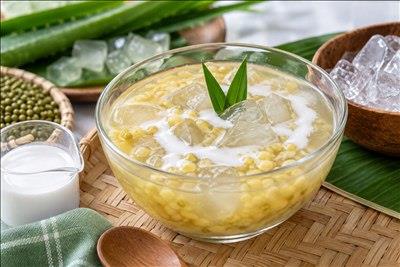 How to cook mung bean and aloe sweet soup: refreshing, with crisp aloe and no bitterness
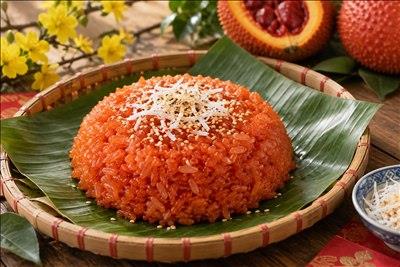 How to cook xoi gac: a beautiful red, chewy separate grains and never claggy
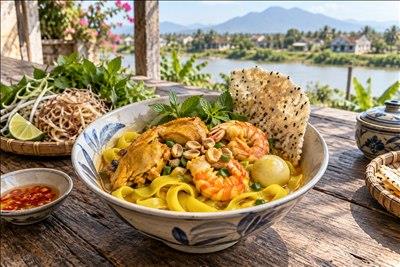 Mi Quang and the kitchens of Quang Nam: a bowl with little broth and a great deal of memory
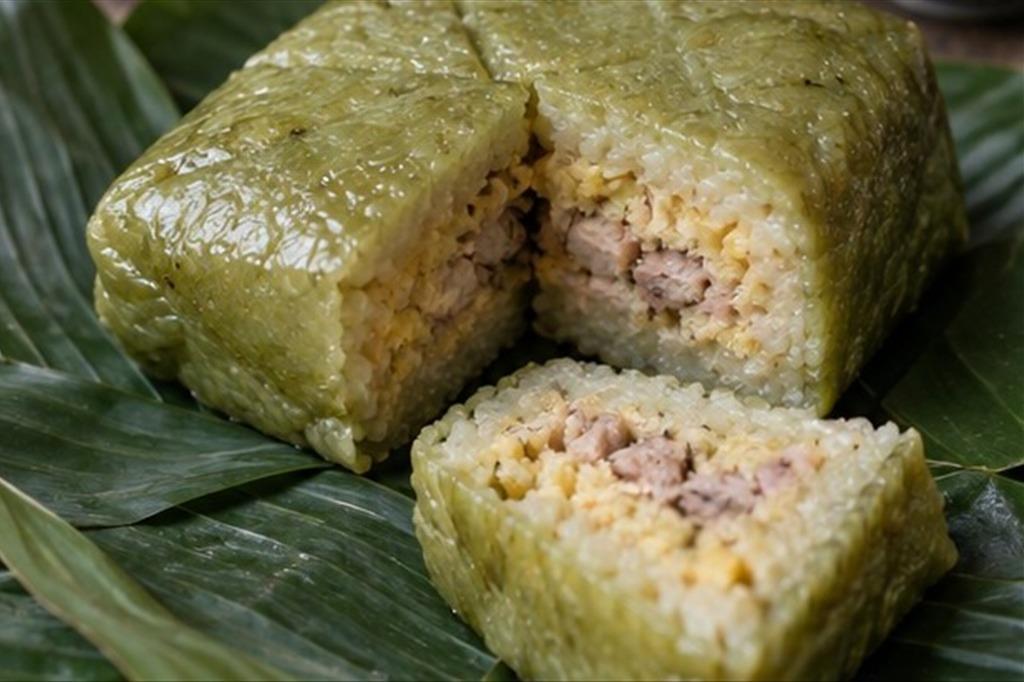 Bo Dau banh chung: the green square cake at the crossroads into Thai Nguyen
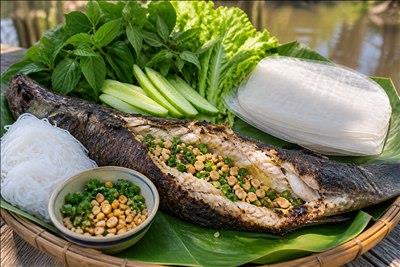 How to cook ca loc nuong trui: evenly done, juicy flesh and no taste of ash
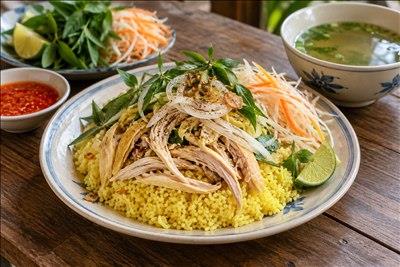 How to make Hoi An chicken rice: fluffy grains, juicy chicken and a crisp onion salad
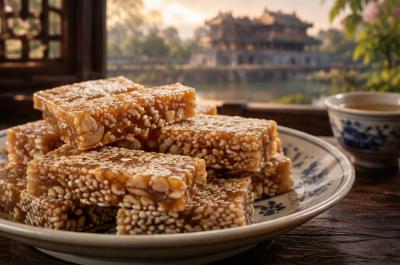 Me xung from Hue: chewy malt, toasted sesame and the slow rhythm of tea
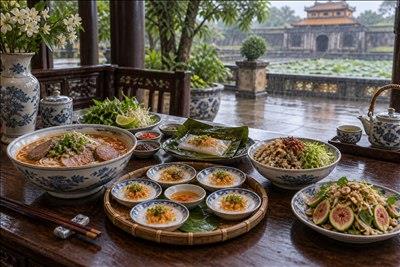 The food of Hue: where the royal kitchen, everyday dishes and small street stalls meet
Đăng nhập để bình luận: / Sign in to comment: