



The Antikythera Mechanism: How Does the 2,000-Year-Old Astronomical Computer Work?
A corroded bronze lump recovered from a shipwreck near the island of Antikythera in 1901 has changed our perspective on ancient Greek engineering. Inside are dozens of meshing gears, scales, and instructional inscriptions: a mechanical device capable of representing vast astronomical cycles.
The shipwreck dates back to approximately the 1st century BC, while the device was typically constructed slightly earlier. It is not an electronic computer, nor does it "prophesy" in an occult sense. When the user turns a crank, the gear system converts a single input into multiple indicators: calendars, the apparent positions of celestial bodies, lunar phases, eclipse cycles, and athletic games.
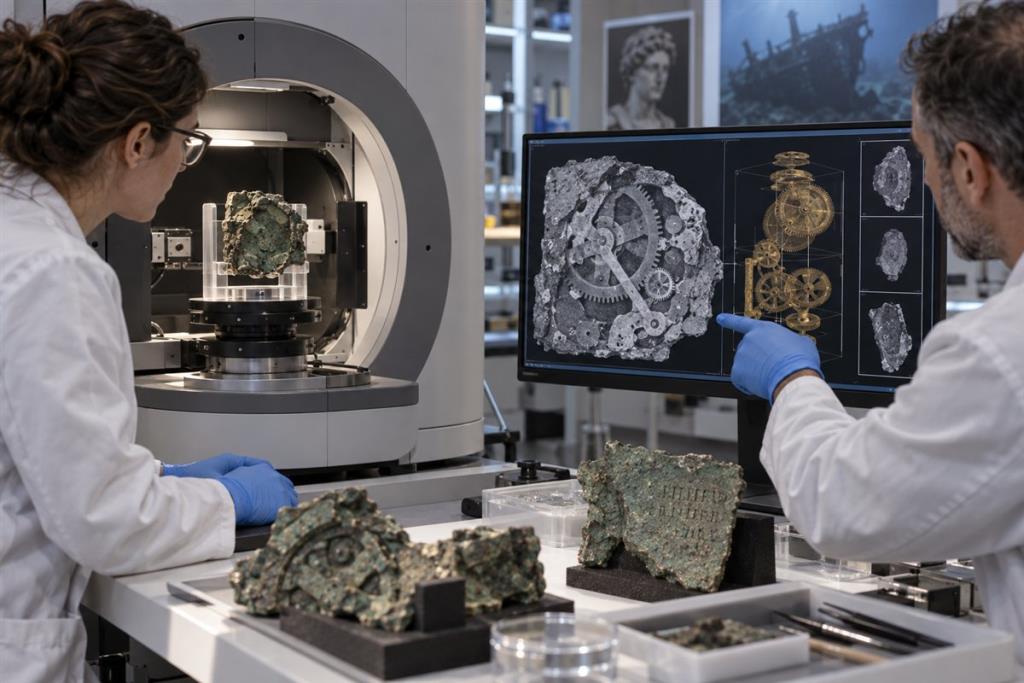
From a Rusty Lump to a Three-Dimensional Blueprint
The fragments are too fragile for mechanical disassembly. X-ray images, tomography, and surface processing have allowed the research team to see through the corrosion, count teeth, and read microscopic inscriptions. The gear ratios are not random: they encode cycles such as the 19-year Metonic cycle and the Saros cycle related to eclipses.
The pin-and-slot mechanism simulating the non-uniform motion of the Moon is a particular achievement. It shows that the designer possessed both mathematical astronomical knowledge and sufficient skill to cut small bronze gears. However, only about one-third of the device survives; the full layout of the front must be inferred from traces and texts.
What Was the Device Used For?
It may have been a teaching tool, an astronomical calendar, a prestige item for the elite, or a combination of those roles. The size of the wooden box makes it portable, but its sophistication does not suggest a nautical instrument meant to withstand frequent impacts. There is no evidence it steered ships or generated power.
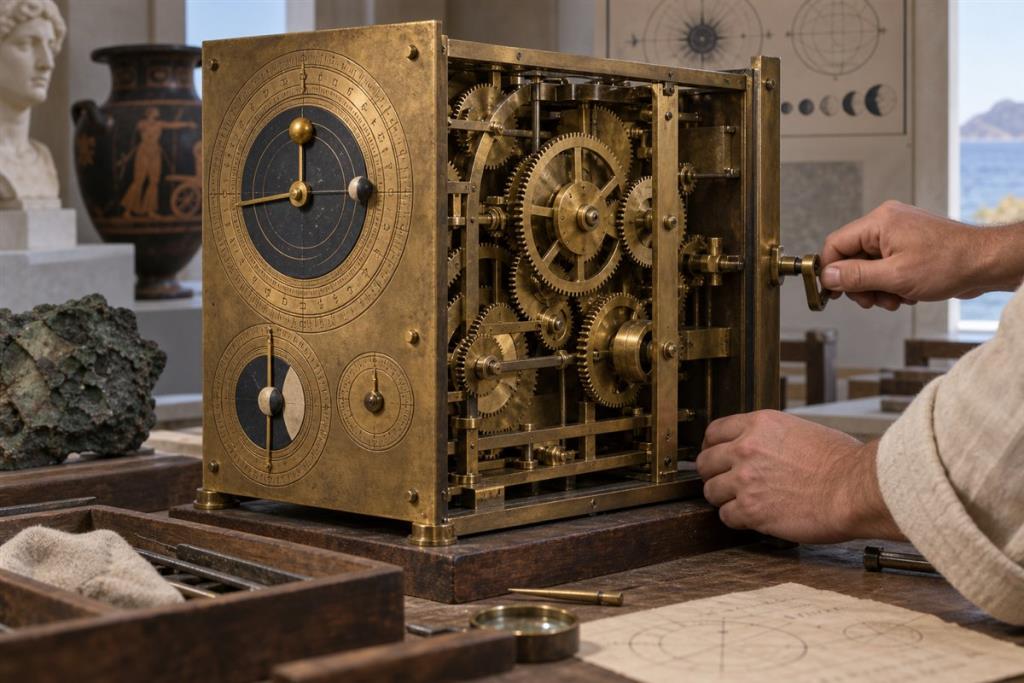
The Real Remaining Mystery
Modern models must simultaneously satisfy the gear counts, physical space, and inscriptions. Debates focus on the front planetary display, the arrangement of concentric rings, and the source of the technical tradition. A working reconstruction is strong evidence of capability, but not necessarily the only correct replica.
Antikythera does not prove a vanished super-technological civilization. It proves that technical history can lose specimens: bronze was often melted down, wood decays, and only a shipwreck accident preserved this rare assembly.
How to Read an Archaeological Mystery?
A surprising object often triggers three different questions: how it was made, how it was used, and what it means. Experiments can prove a technique is feasible, but they do not inherently prove that ancient people chose that specific technique. To move from "possible" to "probable," results must match tool marks, materials, terrain, dating, and the context of discovery.
Context is the irreplaceable part. An object found in a tomb tells a different story than the same object in a workshop; a row of stones in situ contains information about orientation and distance that an item moved to a museum has lost. Therefore, documented excavation, in-situ preservation, and data publication are more important than quickly choosing an appealing solution.
Three Levels of Certainty
Known refers to facts confirmed by multiple independent measurements or records. Grounded refers to models that explain many traces but still have competing alternatives. Speculative refers to ideas that have not yet provided testable evidence. This article keeps these three layers separate so that the unknown is not turned into an assertion.
Numbers also require error margins. Carbon dating measures organic material, not directly the creator's intent; stone sources indicate geological origin, not the transport route; 3D models record the current shape after centuries of weathering. A good conclusion must state clearly what the data actually measures.
What Could Create a New Breakthrough?
Tomography, 3D scanning, residue analysis, isotope measurement, mechanical simulation, and experimental archaeology are opening parts that were previously unobservable. However, technology is only useful when samples have a clear provenance, procedures are published, and independent teams can re-examine them. A beautiful image online does not replace a scientific report.
Future answers may not be a single function. Objects and structures live through many generations, being repaired, moved, and reinterpreted. Accepting a multi-stage history is often closer to reality than forcing every trace into a single secret moment.
Why Supernatural Solutions Are Not Needed?
Saying ancient people could not have built a structure often reflects an underestimation of their skill, time, and social organization. Ropes, wood, stone, metal, and simple mathematics can produce grand results when hundreds of people coordinate over many seasons. The part worth exploring is how knowledge was transmitted and how communities persuaded each other to invest effort.
"Unknown" is a valid conclusion, not a gap to be filled with any story. A good hypothesis must generate predictions: what signs to look for, where, and what measurements could refute it. It is the possibility of being proven wrong that turns a mystery into research instead of just an anecdote.
The Role of Preservation and Local Communities
Artifacts are not just data for researchers but also the heritage of living communities. Surveys, sampling, and exhibitions must respect local laws, indigenous knowledge, and preservation limits. Tourists also contribute by not touching, climbing, moving stones, or buying items of unknown origin. Preserving the context today is so that future generations can test questions that current technology cannot yet answer.



 Korean kimchi and banchan: the craft of fermentation and a table built on sharing
 Persian rice and tahdig: saffron, a crisp bottom layer and the sofreh
 Moroccan couscous and tagine: rhythm, hospitality and the flavours of North Africa
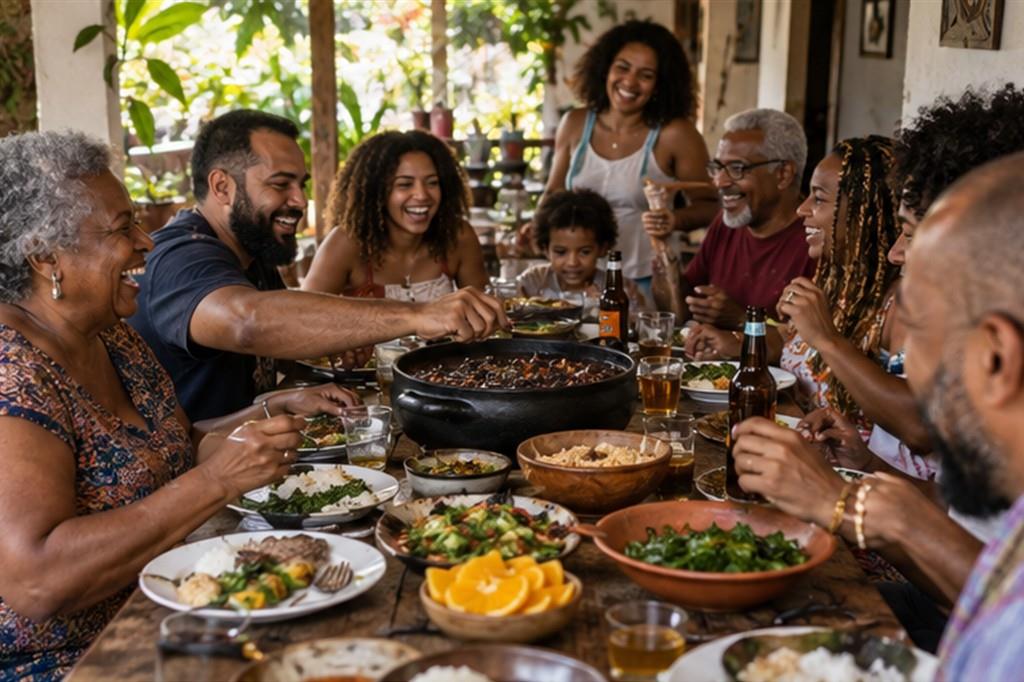 Brazilian feijoada: a pot of black beans, a weekend lunch and a story with many roots
 The Indian thali: a balanced tray that tells a regional story and a way of eating together
 Danish smørrebrød: the open sandwich and the art of composing a lunch
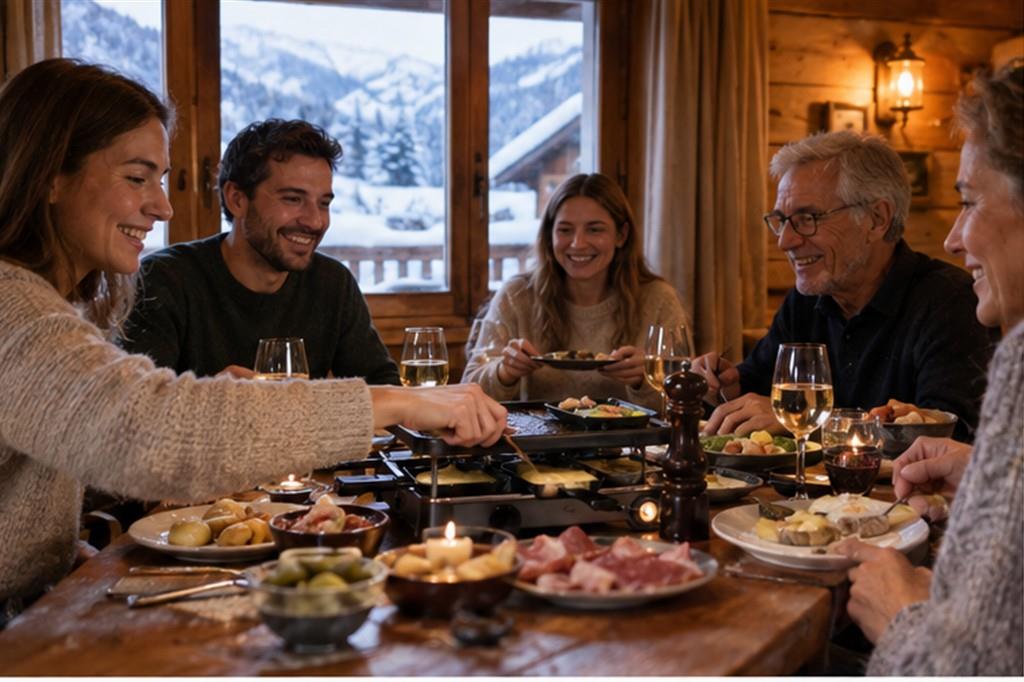 Swiss raclette: melted cheese and a shared table in the cold season
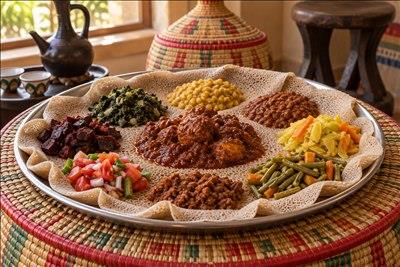 Injera in Ethiopia and Eritrea: the shared platter that binds a community
Đăng nhập để bình luận: / Sign in to comment: