



Swiss raclette: melted cheese and a shared table in the cold season
Raclette is both the name of a cheese and the name of a method: heating it, then scraping the melted layer onto potatoes and whatever is served alongside. What makes a raclette meal so well loved is not only the warm richness but the rhythm of waiting and sharing around the table.
One dish, many layers of history
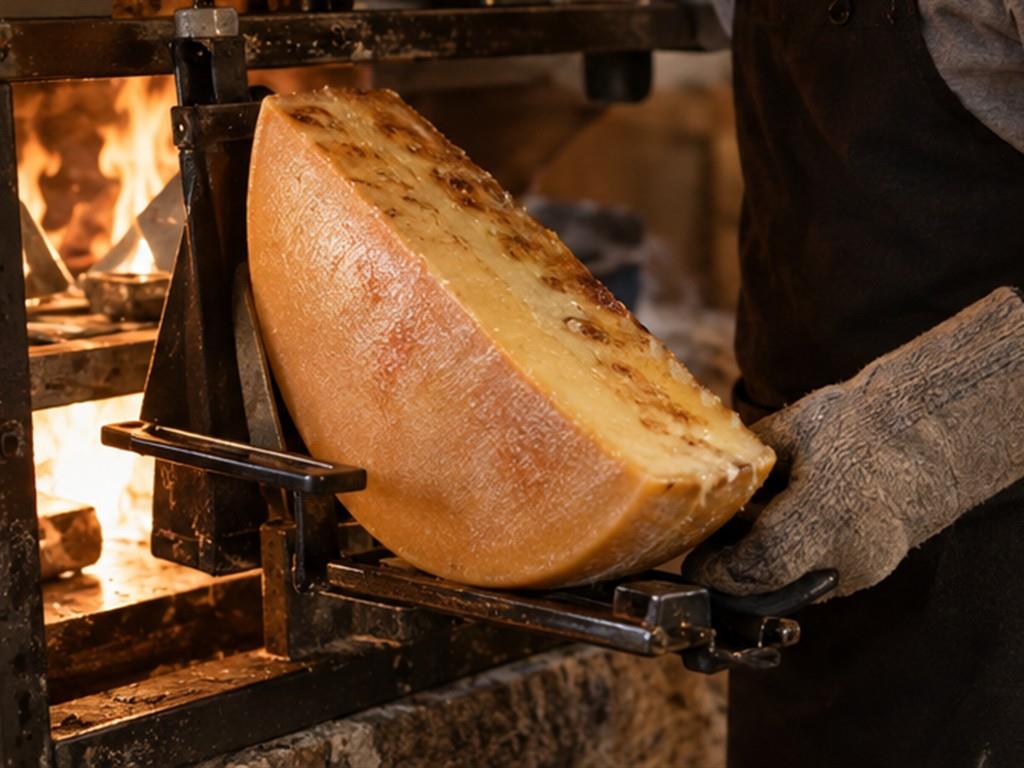
Melting cheese close to a heat source belongs to life in the Alps and is recounted in many stories about herders. From the method of setting half a wheel beside a fire, raclette moved into restaurants and homes with electric tabletop machines. The change of tools made the meal easier to arrange while keeping the same idea: eat it the moment the cheese has melted.
Food does not stand still at the moment it was born. Through migration, trade, urbanisation and changes within families, raclette has been adjusted to new ingredients, new equipment and a new pace of life. Looking for a single version to call 'absolutely authentic' is usually less useful than asking who is cooking, where, for what occasion, and from whom they learned.
The ingredients that give it its character
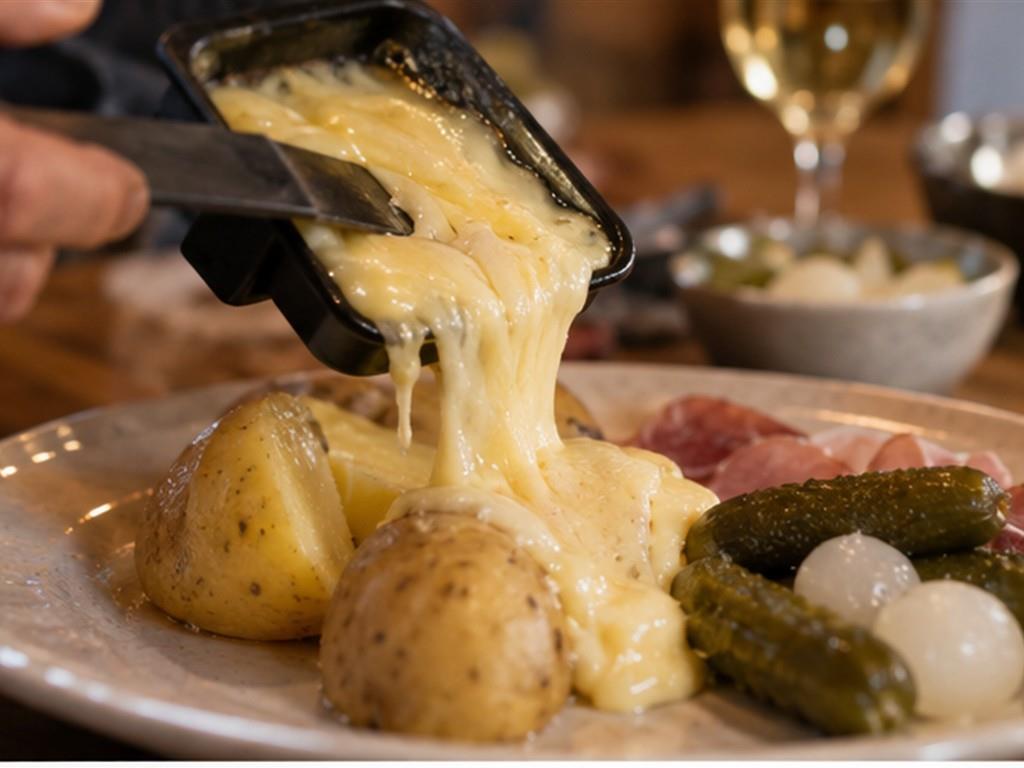
Raclette cheese melts well, and its aroma changes with the milk, the ageing time and the region it comes from. Boiled potatoes, pickled cucumbers and pickled onions usually balance the fat; cold meats and vegetables may be added depending on the table. Pepper and other seasonings are used sparingly so as not to mask the cheese.
A list of ingredients is only the surface. What matters is the proportions, the order things go into the pan, how moisture is handled and when the heat is stopped. With the same set of components, two cooks can produce entirely different results, because experience is accumulated through the senses: watching the colour, hearing the simmer, smelling the aroma and testing the texture. That is the part of the knowledge no short recipe can hold.
Technique and the rhythm of the kitchen
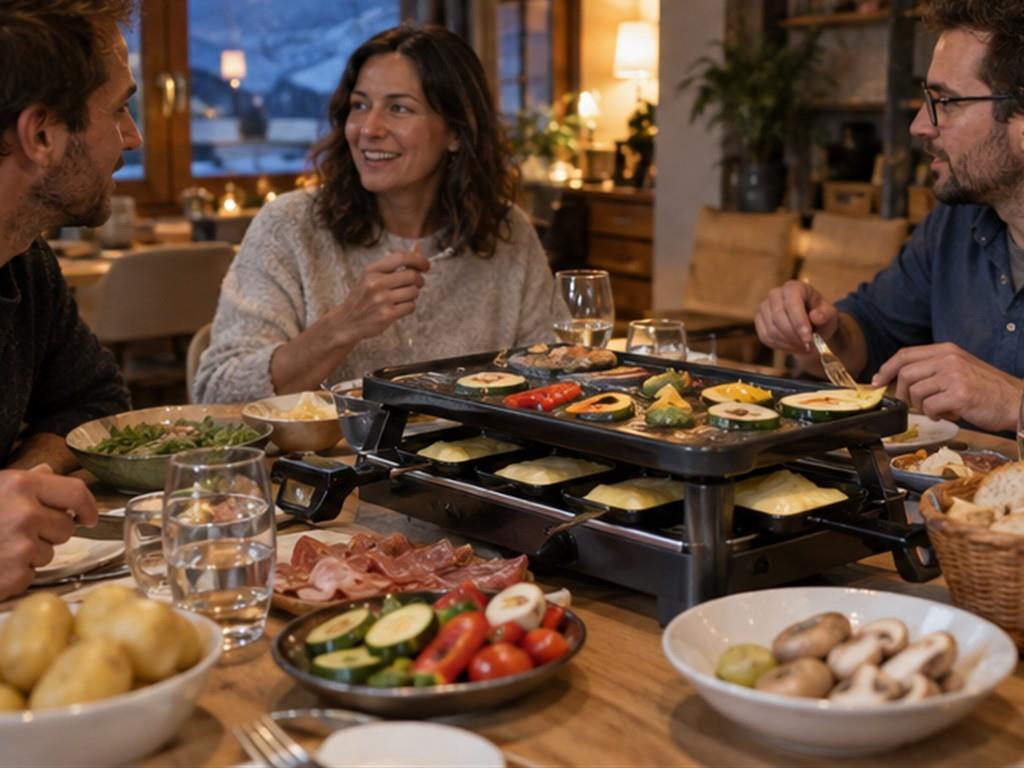
With the traditional half wheel, the surface is brought close to the heat and the softened layer is then scraped off. A tabletop machine divides the cheese into small slices in individual trays, so each person controls their own. Too much heat makes the fat separate and the edges burn before the middle softens, which is why patience is an important technique.
The person eating usually meets a dish only in its final minute, but the quality was decided hours earlier. Buying the ingredients, the initial preparation, getting the base ready and timing the stages together make up a precise rhythm of work. In a home kitchen, the skill is also passed on by doing it together: the younger person watches the older one's hands and gradually comes to understand the signs that are never written down as numbers.
The table as a social space
Raclette makes for a long meal, because every round of cheese takes time. The waiting gets people talking, passing the potatoes and getting the next round ready. A hot appliance in the middle of the table also calls for cooperation and attention to safety, especially where there are children.
How a dish is set down, divided and offered says a great deal about the relationships between the people eating. Etiquette, though, changes with region, generation and occasion; an everyday meal is not a festival or a restaurant. A visitor from far away should watch, ask gently and wait for the host to lead, rather than applying a rule read online to every table.
Variation does not cost a dish its identity
Beyond Switzerland, raclette is common in France and many other places, each with its own cheese and its own accompaniments. The restaurant version with a half wheel is a different experience from a tabletop machine at home. Both are valid in their own context.
Arguing about which version is best can be fun, but it turns thin if difference becomes a contest to be won. Each variant usually reflects the season, religion, economic conditions, a household's taste or a history of migration. Naming the context of the version you were served is both more accurate and leaves room for other communities to tell their own story.
Eating slowly, and in context
Eat in small rounds while the cheese is still hot, pairing it with potatoes and pickles so it does not become cloying. There is no need to fill the plate at the start. If you are lactose intolerant or on a particular diet, ask clearly, since cheese is the heart of the dish.
A good approach is to taste a dish before adding a lot of seasoning, then notice how it changes when eaten with the side dishes. Ask the server about portions, how it is meant to be eaten and what is in it if you have allergies or dietary restrictions. Ordering just enough lets you taste more clearly, cuts waste and keeps a cultural experience from turning into a race to tick off dishes.
Things that are easily told wrong
Raclette is not always an “ancient, unchanging” meal among snowy mountains. The modern electric form is an important part of family life today. Do not ask local people to put on folk costume merely to set a scene.
Travel content tends to like simple stories: an ancient dish that never changed, a secret knack, or a community with one shared palate. Real life is more complicated. Where something is unverified, use careful wording such as 'in some areas' or 'in many households', or name the place you actually experienced. Accuracy does not make a story less appealing; it builds trust and respects the people being described.
Responsible food travel
In Switzerland, favour family-run shops, local markets or programmes in which members of the community take part directly. Ask permission before photographing faces close up, filming a kitchen or recording someone's story. Do not ask people to re-enact a ritual, change clothes or rearrange their lives just for an image. Paying the proper price and crediting your sources when you use someone else's knowledge are basic courtesies.
The cheese industry depends on farming, pasture, animal welfare and energy. Choosing products with transparent origins, finishing what you have bought and respecting the producers' labour help tie a meal to a more sustainable system.
A dish is best preserved when the cooks can make a living, the ingredients remain sustainable and younger people see a point in learning the craft. Those who eat contribute through small choices: supporting transparent producers, not encouraging overharvesting, cutting single-use items and recounting experiences with their context. Food heritage lives on fair relationships, not on reputation alone.
Raclette turns waiting for cheese to melt into a pleasure. Each layer scraped down is a small beat that keeps everyone at the table a little longer.


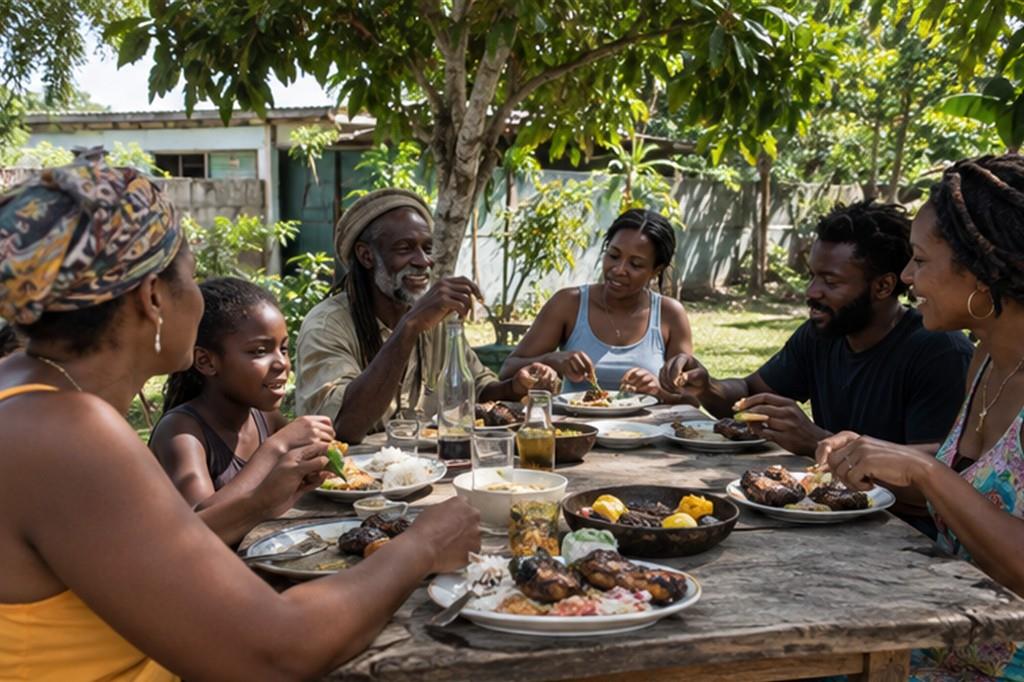 Jamaican jerk: the scent of pimento, the smoke pit and a community's living heritage
 Korean kimchi and banchan: the craft of fermentation and a table built on sharing
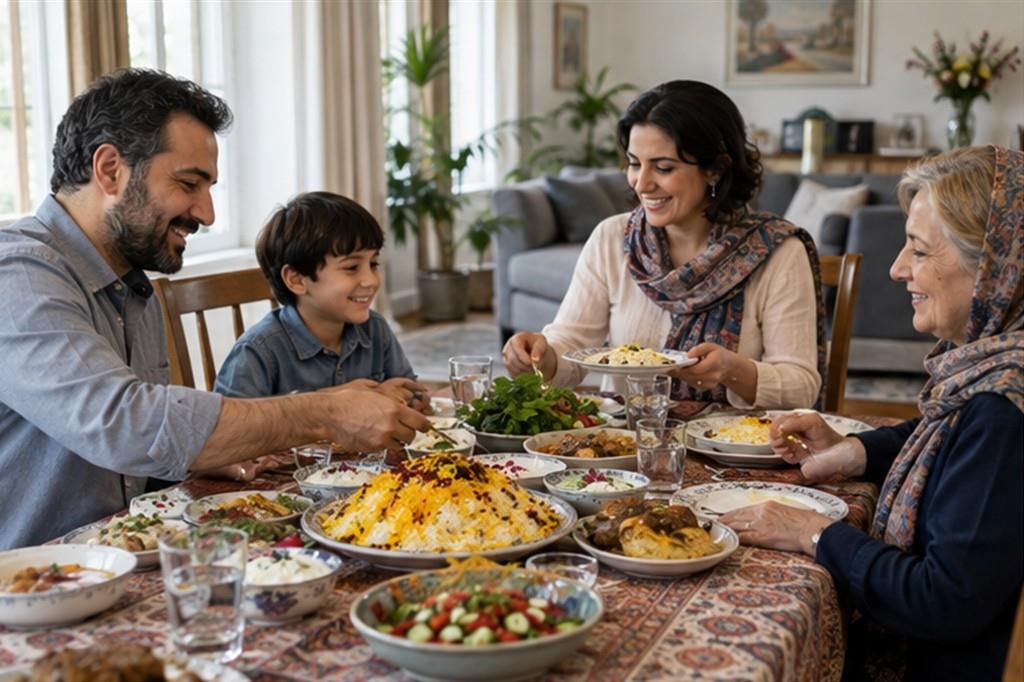 Persian rice and tahdig: saffron, a crisp bottom layer and the sofreh
 Moroccan couscous and tagine: rhythm, hospitality and the flavours of North Africa
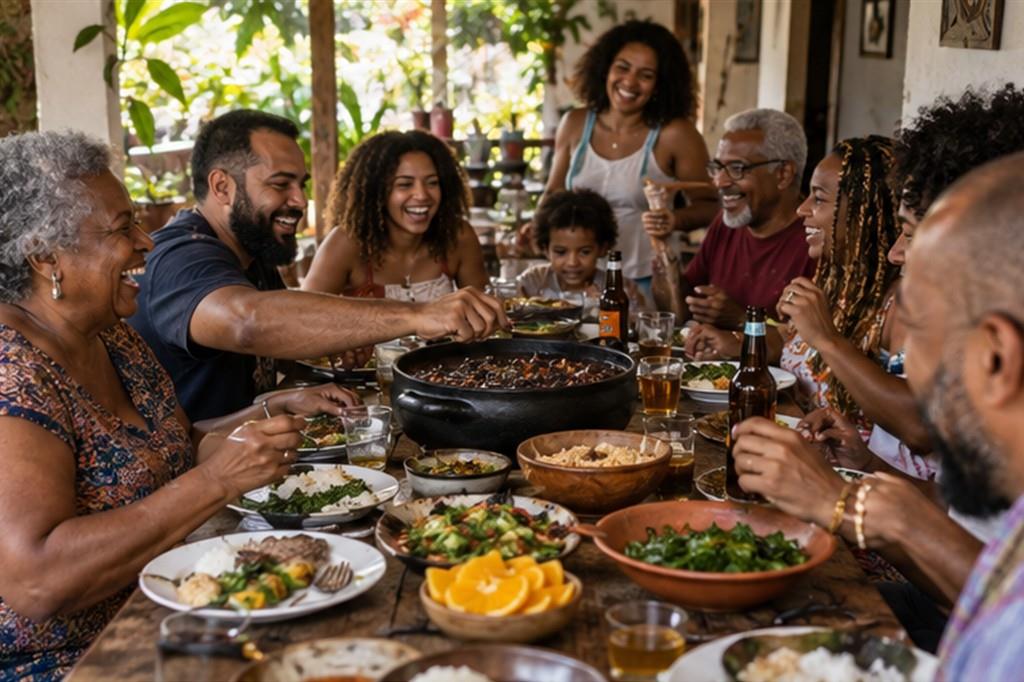 Brazilian feijoada: a pot of black beans, a weekend lunch and a story with many roots
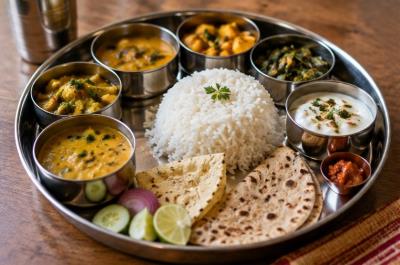 The Indian thali: a balanced tray that tells a regional story and a way of eating together
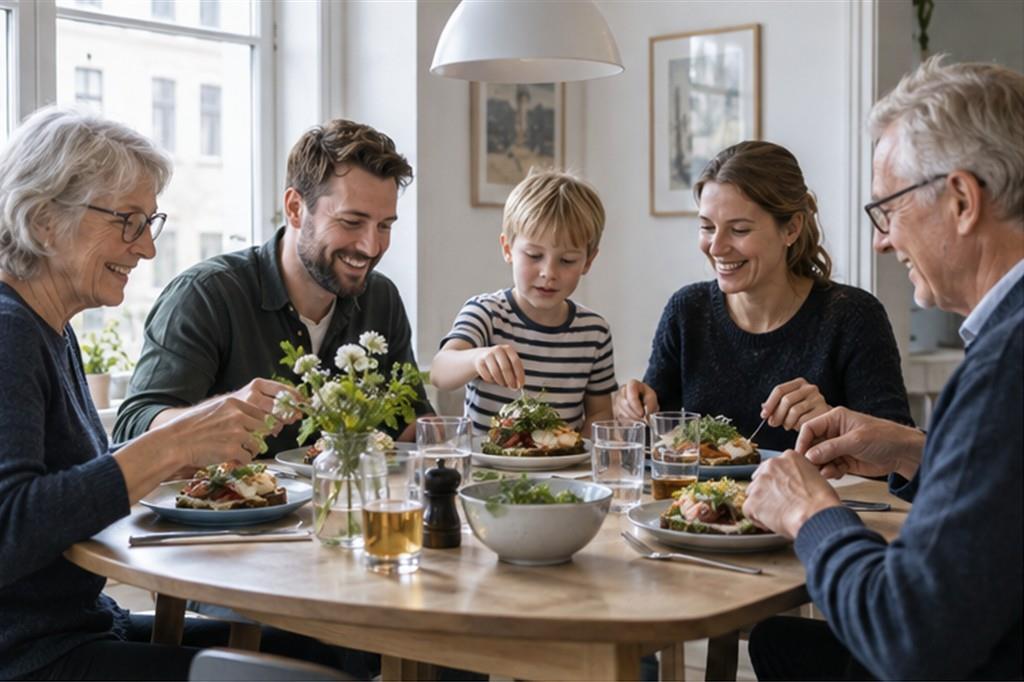 Danish smørrebrød: the open sandwich and the art of composing a lunch
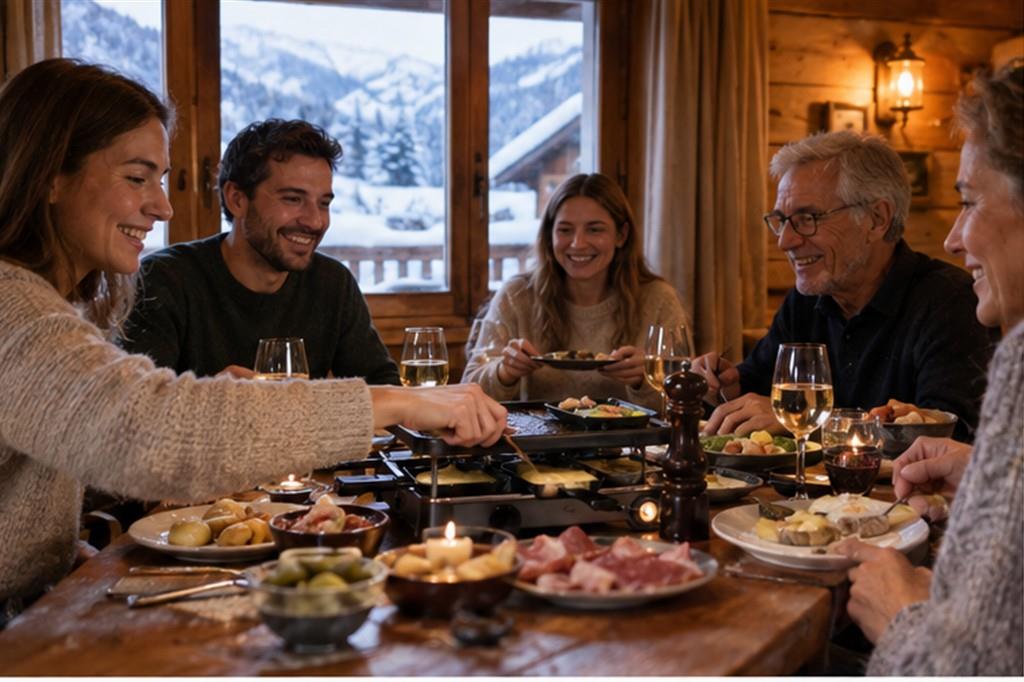 Swiss raclette: melted cheese and a shared table in the cold season
Đăng nhập để bình luận: / Sign in to comment: