



Italian aperitivo: the pause at the end of the day, between a drink and a conversation
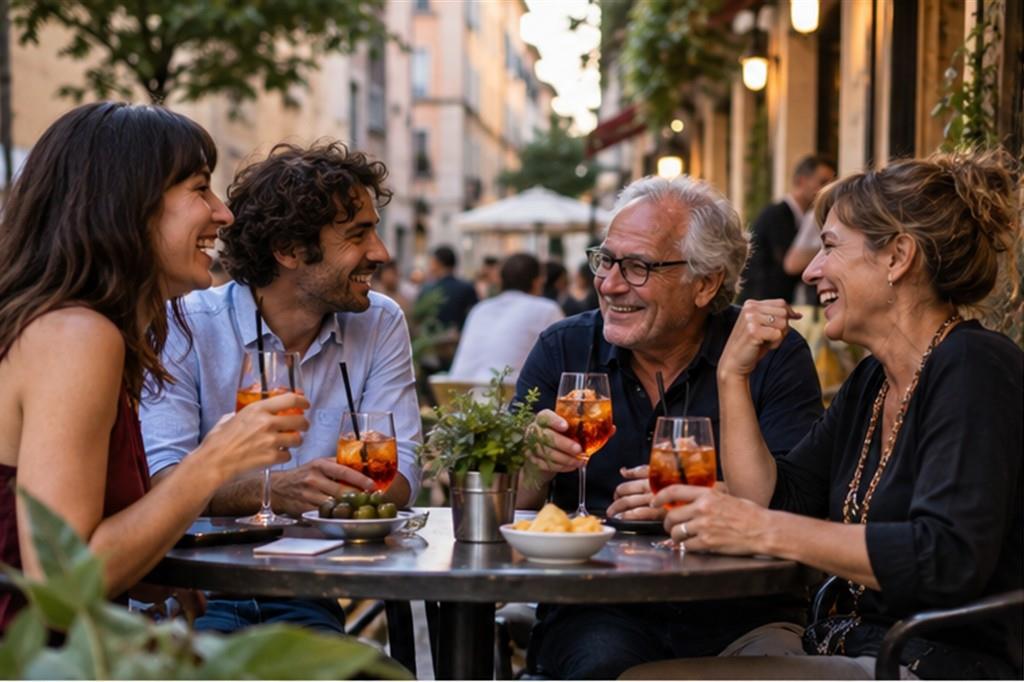
Aperitivo is not simply a happy hour. In many Italian cities it is the passage from work into the evening, when a drink alongside a few small dishes and a conversation slows the day's rhythm down.
One dish, many layers of history
The habit of taking a drink to sharpen the appetite before dinner has a long history and developed differently from region to region, standing out particularly in northern Italy. Over time, city bars turned aperitivo into a flexible social ritual. Some places serve only olives and crisps; others lay out so much food that it comes close to being dinner.
Food does not stand still at the moment it was born. Through migration, trade, urbanisation and changes within families, aperitivo has been adjusted to new ingredients, new equipment and a new pace of life. Looking for a single version to call 'absolutely authentic' is usually less useful than asking who is cooking, where, for what occasion, and from whom they learned.
The ingredients that give it its character
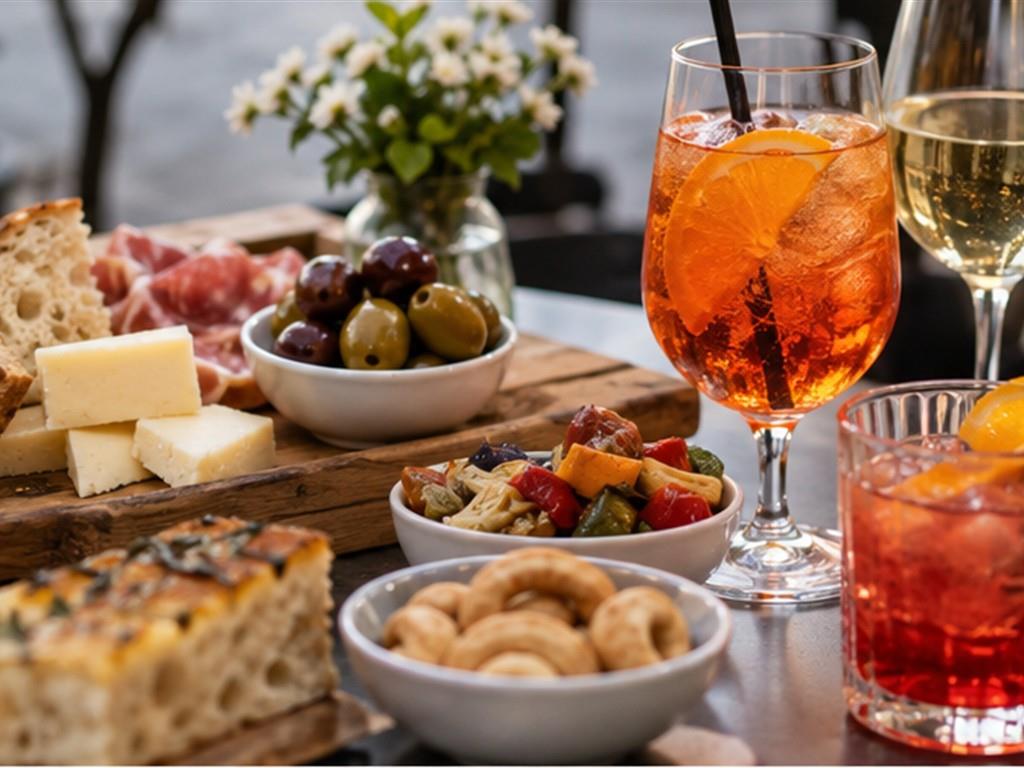
The drink may be alcoholic or not, and usually comes with olives, nuts, cheese, cured meats, bread and small bites. Bitterness, acidity, bubbles and herbal notes all help wake the appetite. There is no compulsory list for the food; what matters is a proportion that suits the hour before dinner.
A list of ingredients is only the surface. What matters is the proportions, the order things go into the pan, how moisture is handled and when the heat is stopped. With the same set of components, two cooks can produce entirely different results, because experience is accumulated through the senses: watching the colour, hearing the simmer, smelling the aroma and testing the texture. That is the part of the knowledge no short recipe can hold.
Technique and the rhythm of the kitchen
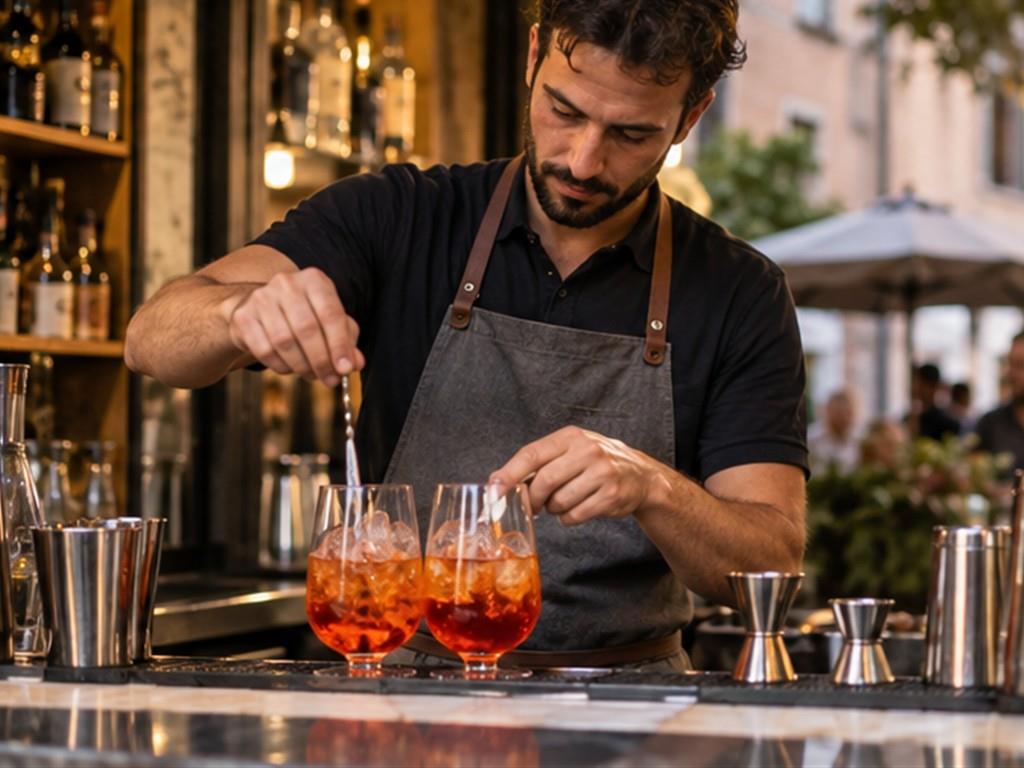
The bar has to serve quickly while balancing ice, chill, dilution and garnish. The small kitchen has to keep the food safe, top it up in step with the flow of customers and avoid leaving anything out too long. The ease a guest feels is the product of fairly tight work behind the scenes.
The person eating usually meets a dish only in its final minute, but the quality was decided hours earlier. Buying the ingredients, the initial preparation, getting the base ready and timing the stages together make up a precise rhythm of work. In a home kitchen, the skill is also passed on by doing it together: the younger person watches the older one's hands and gradually comes to understand the signs that are never written down as numbers.
The table as a social space
Aperitivo can happen sitting at a table, standing at the bar or meeting out in the square. People sip slowly, eat a little and talk; the point is not to drink a great deal. A short meeting can still be the way friendships are kept up inside a crowded working week.
How a dish is set down, divided and offered says a great deal about the relationships between the people eating. Etiquette, though, changes with region, generation and occasion; an everyday meal is not a festival or a restaurant. A visitor from far away should watch, ask gently and wait for the host to lead, rather than applying a rule read online to every table.
Variation does not cost a dish its identity
Milan, Turin, Venice, Bologna, Rome and other cities each have their own style; the drinks, the food and even the starting hour differ. The term apericena describes a version with more food, but the boundary is not fixed and not every bar uses the name.
Arguing about which version is best can be fun, but it turns thin if difference becomes a contest to be won. Each variant usually reflects the season, religion, economic conditions, a household's taste or a history of migration. Naming the context of the version you were served is both more accurate and leaves room for other communities to tell their own story.
Eating slowly, and in context
Ask the staff whether the food is included in the price or ordered separately, and treat aperitivo as an opening rather than a contest to fill a plate. If you do not drink alcohol, a non-alcoholic choice fits perfectly well. Use public transport when you need to.
A good approach is to taste a dish before adding a lot of seasoning, then notice how it changes when eaten with the side dishes. Ask the server about portions, how it is meant to be eaten and what is in it if you have allergies or dietary restrictions. Ordering just enough lets you taste more clearly, cuts waste and keeps a cultural experience from turning into a race to tick off dishes.

Things that are easily told wrong
Images on social media easily turn aperitivo into a symbol of luxury, when many such meetings are quite ordinary. Not every Italian takes part regularly, and a bar full of tourists does not represent every local habit.
Travel content tends to like simple stories: an ancient dish that never changed, a secret knack, or a community with one shared palate. Real life is more complicated. Where something is unverified, use careful wording such as 'in some areas' or 'in many households', or name the place you actually experienced. Accuracy does not make a story less appealing; it builds trust and respects the people being described.
Responsible food travel
In Italy, favour family-run places, local markets or programmes in which members of the community take part directly. Ask permission before photographing faces close up, filming a kitchen or recording someone's story. Do not ask people to re-enact a ritual, change clothes or rearrange their lives just for an image. Paying the proper price and crediting your sources when you use someone else's knowledge are basic courtesies.
Bars are expanding their non-alcoholic drinks, vegetarian dishes and ways of cutting buffet waste. A more sustainable model needs sensible portions, good storage and fair rosters for the serving staff.
A dish is best preserved when the cooks can make a living, the ingredients remain sustainable and younger people see a point in learning the craft. Those who eat contribute through small choices: supporting transparent producers, not encouraging overharvesting, cutting single-use items and recounting experiences with their context. Food heritage lives on fair relationships, not on reputation alone.
Aperitivo appeals because it gives value to the in-between: not yet dinner, no longer working hours, just a pause long enough for people to see one another.


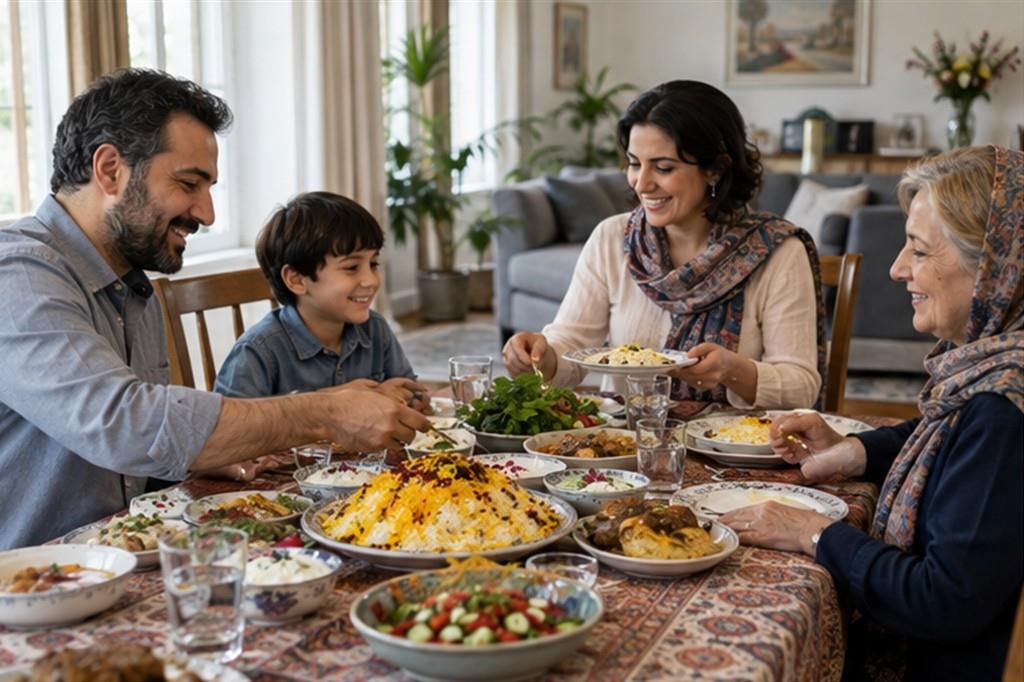 Persian rice and tahdig: saffron, a crisp bottom layer and the sofreh
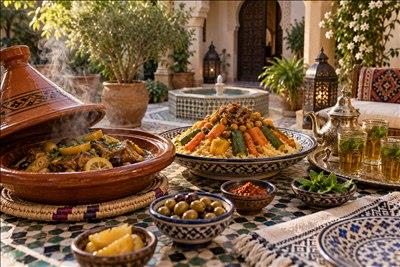 Moroccan couscous and tagine: rhythm, hospitality and the flavours of North Africa
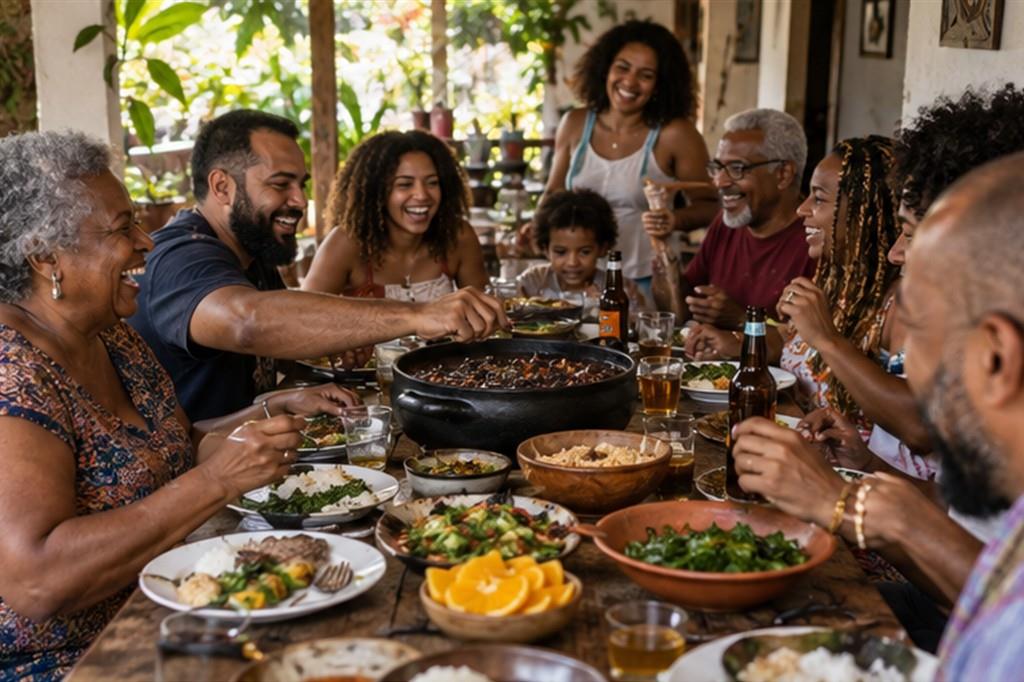 Brazilian feijoada: a pot of black beans, a weekend lunch and a story with many roots
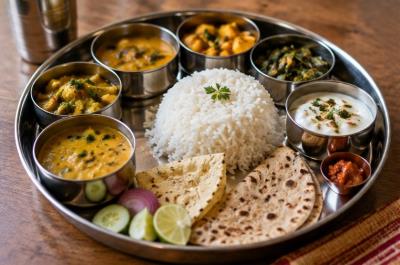 The Indian thali: a balanced tray that tells a regional story and a way of eating together
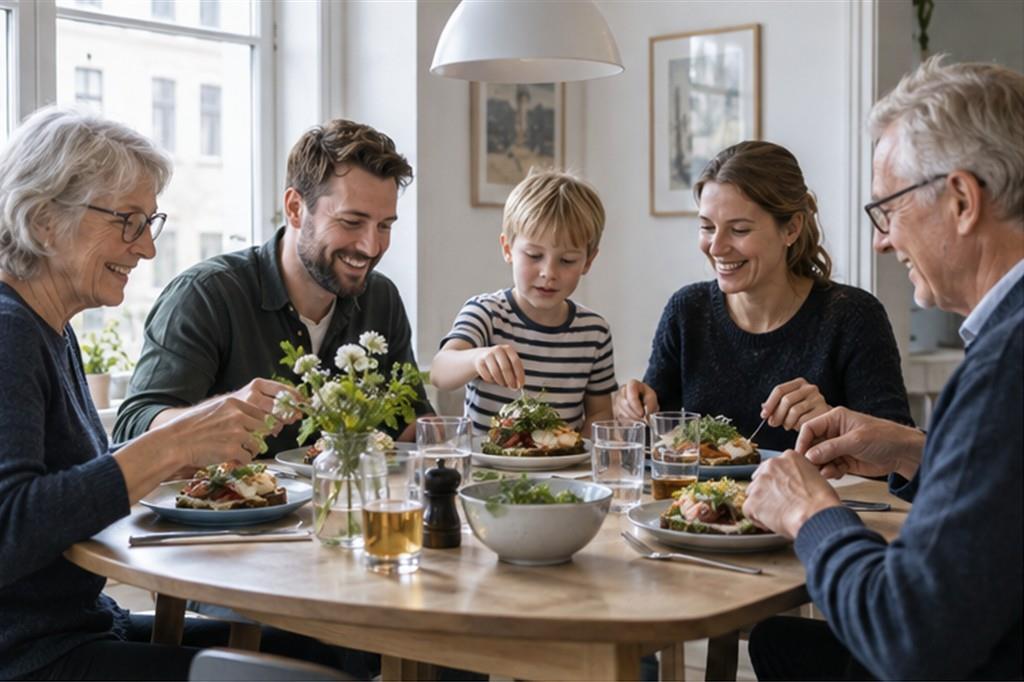 Danish smørrebrød: the open sandwich and the art of composing a lunch
 Swiss raclette: melted cheese and a shared table in the cold season
 Injera in Ethiopia and Eritrea: the shared platter that binds a community
 Italian aperitivo: the pause at the end of the day, between a drink and a conversation
Đăng nhập để bình luận: / Sign in to comment: