



Brazilian feijoada: a pot of black beans, a weekend lunch and a story with many roots
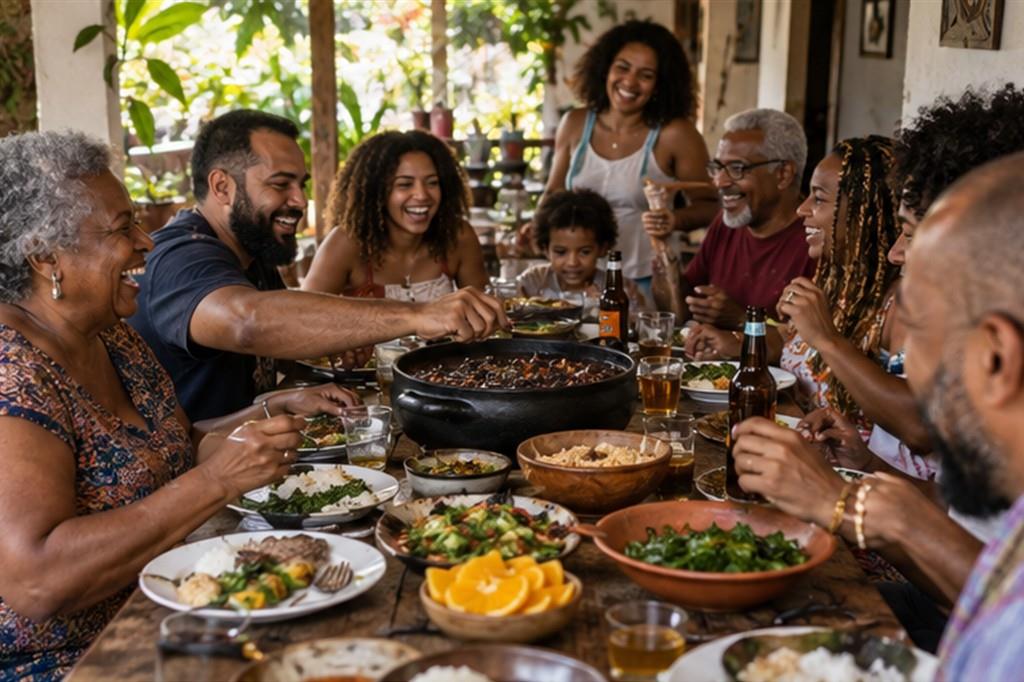
Feijoada is a bean-and-meat stew that takes many forms across the Portuguese-speaking world; in Brazil, the black-bean version is usually tied to a lunch with a lot of people around the table. The slow-cooked pot, the rice, the greens, the orange and the farofa make a meal that is rich and yet capable of balance.
One dish, many layers of history
The origin of feijoada is often told as a single-strand story, sometimes attributed entirely to enslaved people. Research and debate show a more complicated history, involving Iberian stews, local ingredients, the colonial system and the contributions of Africans in Brazil. Telling it responsibly means acknowledging historical violence without repeating an unverified legend as the only truth.
Food does not stand still at the moment it was born. Through migration, trade, urbanisation and changes within families, feijoada has been adjusted to new ingredients, new equipment and a new pace of life. Looking for a single version to call 'absolutely authentic' is usually less useful than asking who is cooking, where, for what occasion, and from whom they learned.
The ingredients that give it its character
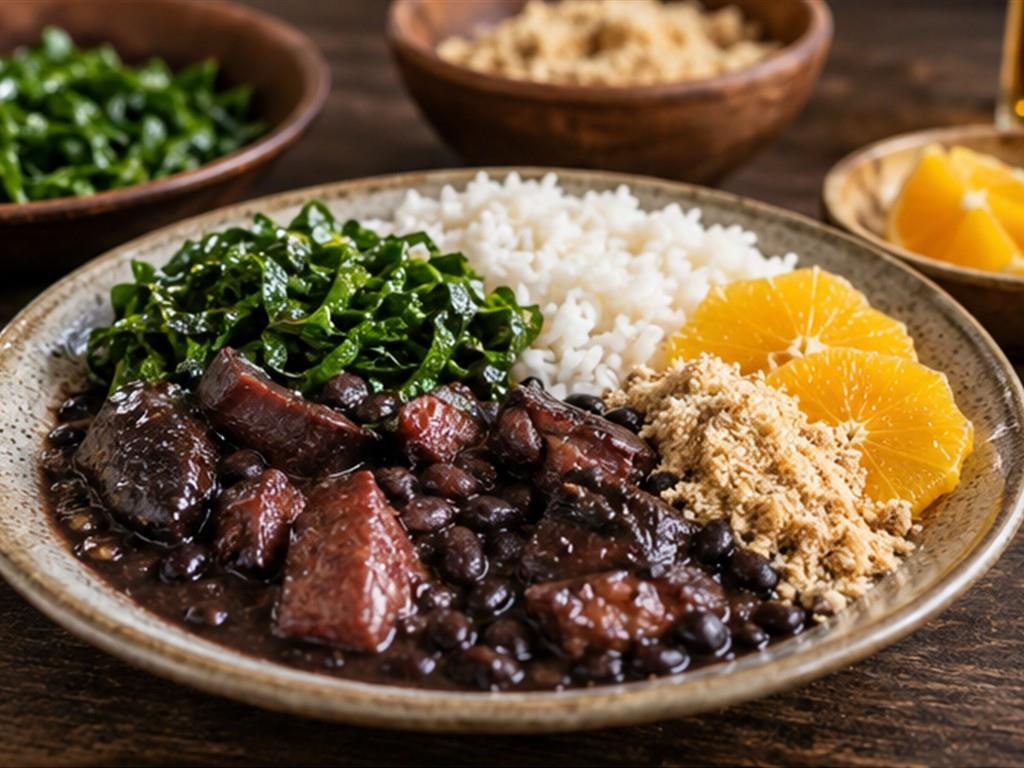
The black beans are cooked with various cuts of meat depending on the recipe, giving a thick liquid and a deep flavour. White rice is the base; finely sliced couve adds green and a vegetal note; slices of orange bring freshness; farofa made from toasted cassava flour adds structure. Each element makes the meal feel less heavy when the proportions are right.
A list of ingredients is only the surface. What matters is the proportions, the order things go into the pan, how moisture is handled and when the heat is stopped. With the same set of components, two cooks can produce entirely different results, because experience is accumulated through the senses: watching the colour, hearing the simmer, smelling the aroma and testing the texture. That is the part of the knowledge no short recipe can hold.
Technique and the rhythm of the kitchen
Salted meats may need soaking with changes of water, and are then added to the pot according to how long each takes to cook. The beans should be soft without dissolving altogether, and the liquid thick enough without being claggy. Cooking a day ahead sometimes lets the flavours settle together, but storing and reheating have to be done safely.
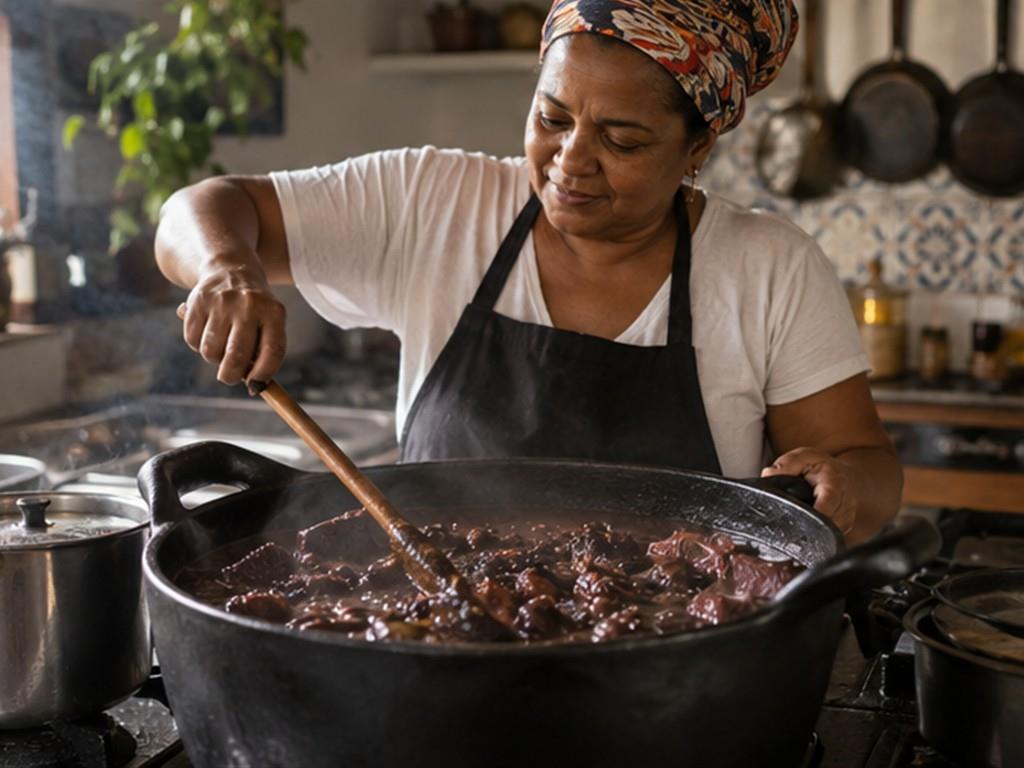
The person eating usually meets a dish only in its final minute, but the quality was decided hours earlier. Buying the ingredients, the initial preparation, getting the base ready and timing the stages together make up a precise rhythm of work. In a home kitchen, the skill is also passed on by doing it together: the younger person watches the older one's hands and gradually comes to understand the signs that are never written down as numbers.
The table as a social space
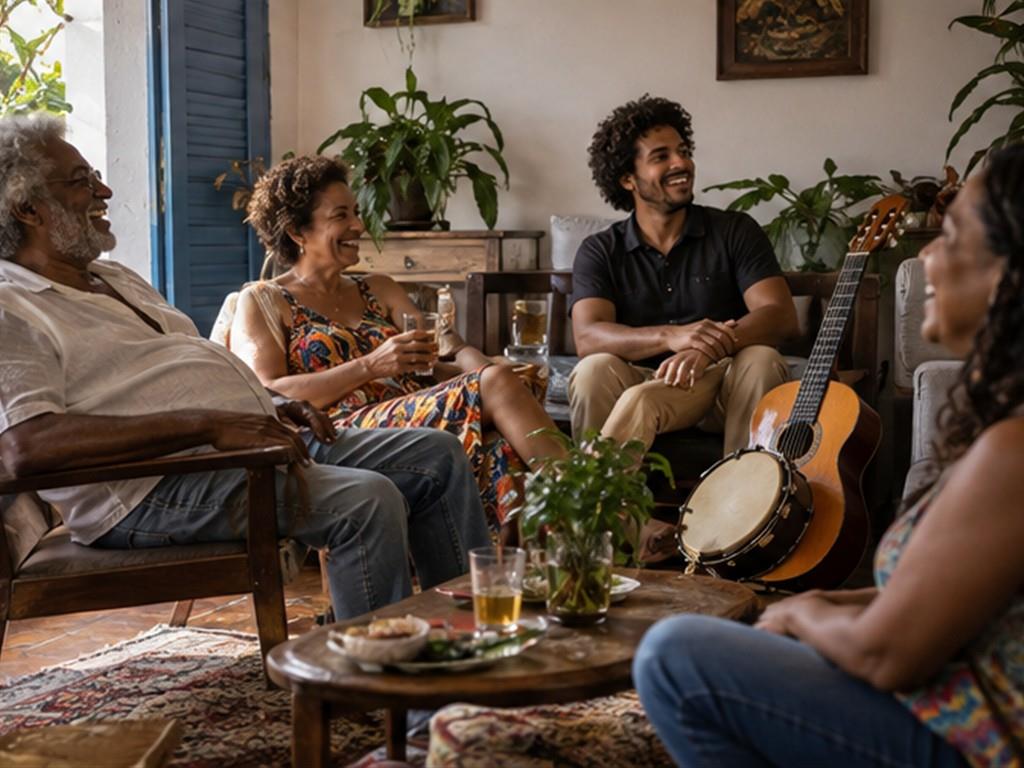
Feijoada is usually associated with Saturday lunch, family and friends, though when people eat it differs from city to city and household to household. Because the dish is so filling, the meal tends to run long, with the later part given over to conversation. It is that pause which makes feijoada a social occasion rather than just a bowl of stew.
How a dish is set down, divided and offered says a great deal about the relationships between the people eating. Etiquette, though, changes with region, generation and occasion; an everyday meal is not a festival or a restaurant. A visitor from far away should watch, ask gently and wait for the host to lead, rather than applying a rule read online to every table.
Variation does not cost a dish its identity
The proportion of beans, the cuts of meat and the side dishes change with region, religion, budget and diet. Vegetarian versions use mushrooms, vegetables or ingredients that give a smoky note. Feijoada in Portugal and other countries uses different beans and has a different structure; it should not be equated with a Brazilian recipe.
Arguing about which version is best can be fun, but it turns thin if difference becomes a contest to be won. Each variant usually reflects the season, religion, economic conditions, a household's taste or a history of migration. Naming the context of the version you were served is both more accurate and leaves room for other communities to tell their own story.
Eating slowly, and in context
Order a moderate portion and take a little rice, beans, greens, orange and farofa at a time so you can adjust as you go. Ask which meats are used if you avoid any. The good flavour appears when the accompaniments work together, not when you eat one very large bowl of beans.
A good approach is to taste a dish before adding a lot of seasoning, then notice how it changes when eaten with the side dishes. Ask the server about portions, how it is meant to be eaten and what is in it if you have allergies or dietary restrictions. Ordering just enough lets you taste more clearly, cuts waste and keeps a cultural experience from turning into a race to tick off dishes.
Things that are easily told wrong
Slavery should not be romanticised to make a dish's story more appealing. If history is mentioned, use precise language, recognise Africans and their descendants as agents of culture, and acknowledge that the evidence about origins is still under discussion.
Travel content tends to like simple stories: an ancient dish that never changed, a secret knack, or a community with one shared palate. Real life is more complicated. Where something is unverified, use careful wording such as 'in some areas' or 'in many households', or name the place you actually experienced. Accuracy does not make a story less appealing; it builds trust and respects the people being described.
Responsible food travel
In Brazil, favour family-run shops, local markets or programmes in which members of the community take part directly. Ask permission before photographing faces close up, filming a kitchen or recording someone's story. Do not ask people to re-enact a ritual, change clothes or rearrange their lives just for an image. Paying the proper price and crediting your sources when you use someone else's knowledge are basic courtesies.
A big pot of feijoada can make use of many cuts, but it also wastes easily if the number of guests is misjudged. Restaurants can offer portion choices, publish what is in it and work with responsible suppliers.
A dish is best preserved when the cooks can make a living, the ingredients remain sustainable and younger people see a point in learning the craft. Those who eat contribute through small choices: supporting transparent producers, not encouraging overharvesting, cutting single-use items and recounting experiences with their context. Food heritage lives on fair relationships, not on reputation alone.
Feijoada deserves to be enjoyed with the palate and with care about history alike. A pot of beans can hold a great many memories, but no simple story is large enough to contain Brazil.


 Brazilian feijoada: a pot of black beans, a weekend lunch and a story with many roots
 The Indian thali: a balanced tray that tells a regional story and a way of eating together
 Danish smørrebrød: the open sandwich and the art of composing a lunch
 Swiss raclette: melted cheese and a shared table in the cold season
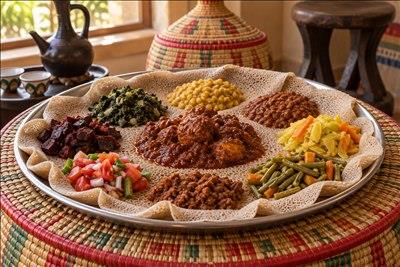 Injera in Ethiopia and Eritrea: the shared platter that binds a community
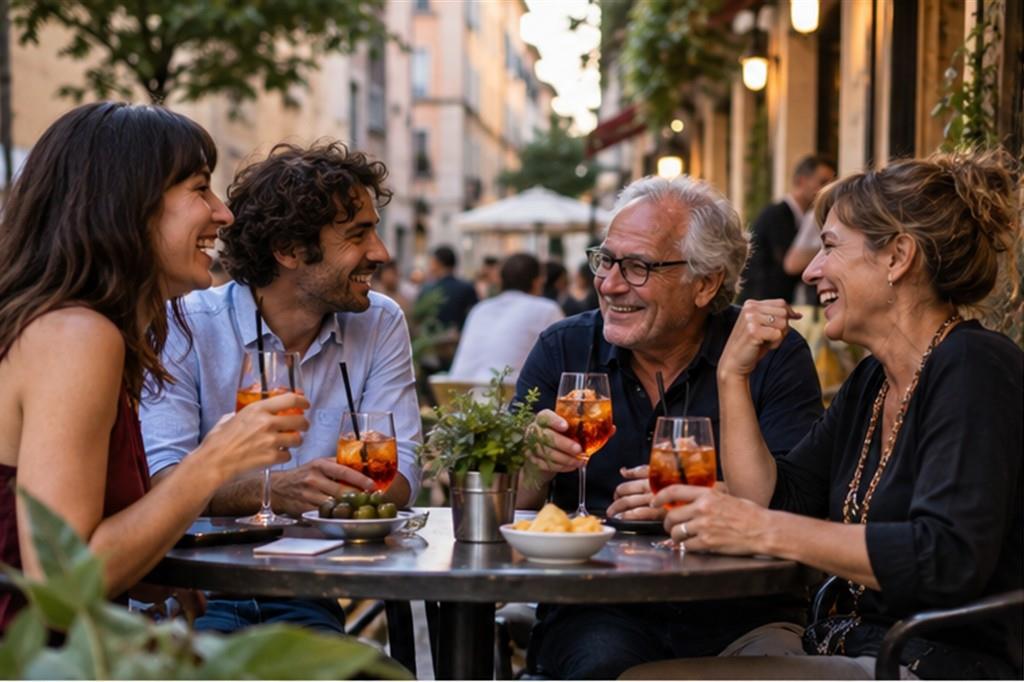 Italian aperitivo: the pause at the end of the day, between a drink and a conversation
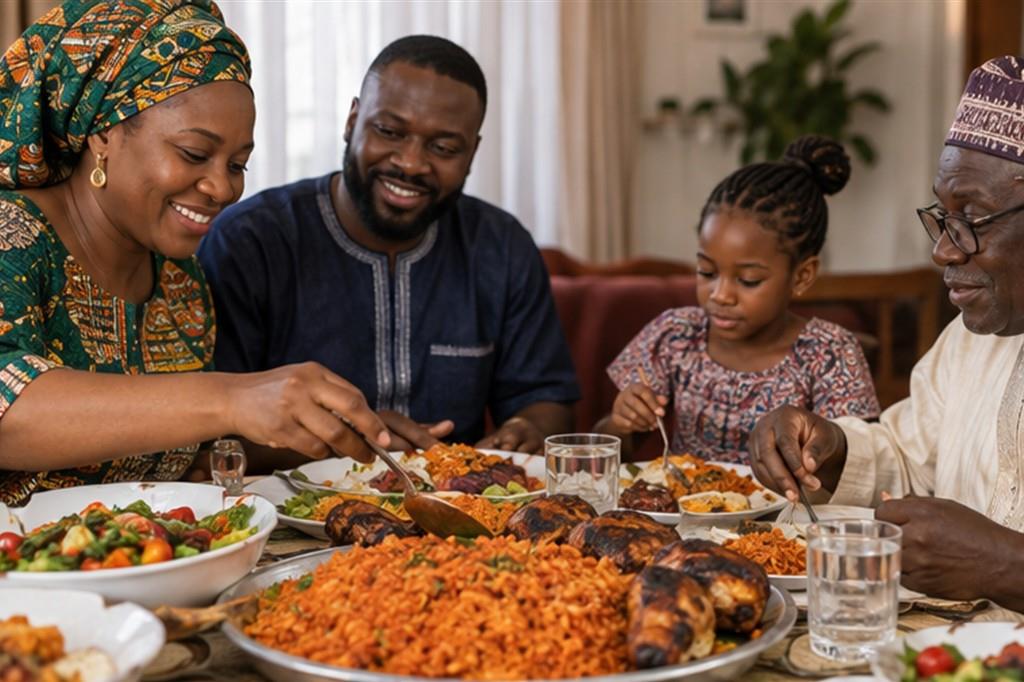 West African jollof: a pot of red rice, memories of home and a proud argument
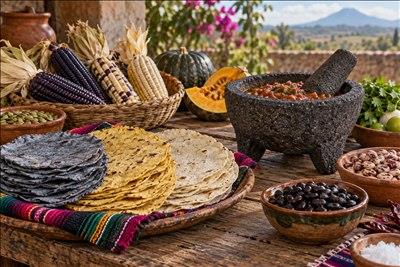 Mexican corn and the tortilla: how nixtamalisation feeds an entire cuisine
Đăng nhập để bình luận: / Sign in to comment: