



Characteristic Features of Japanese Culture
Japan has always been known as a country with a long-standing culture, rich in national identity, harmoniously combining the old and the new to create unique characteristics for Japanese culture. Join Ola88 to discover the distinctive cultural features of Japan
From a poor country in East Asia, Japan suffered defeat in World War II and destruction by natural disasters. Through its own efforts, Japan quickly rebuilt the country and today has become one of the leading industrial nations in the world. Achieving such accomplishments, Japanese culture is also considered an important factor contributing to that success and a driving force behind the country's transformation. Not only making efforts to recover the economy, Japan also has to make efforts in preventing natural disasters, tsunamis, and volcanic eruptions... to build prestige with countries around the world through the resilience, solidarity, and orderliness of the Japanese people.

[blue]1. Japanese culture carries a strong distinct cultural identity[/blue]
Japanese culture smoothly combines modern and traditional culture, creating distinctive traits in the culture of Japanese people. There are various opinions attempting to explain the national identity of Japanese culture. However, a prominent view suggests that because Japan is surrounded by seas and islands and has never experienced a foreign invasion, these natural and social conditions created a unified cultural foundation for Japanese society.
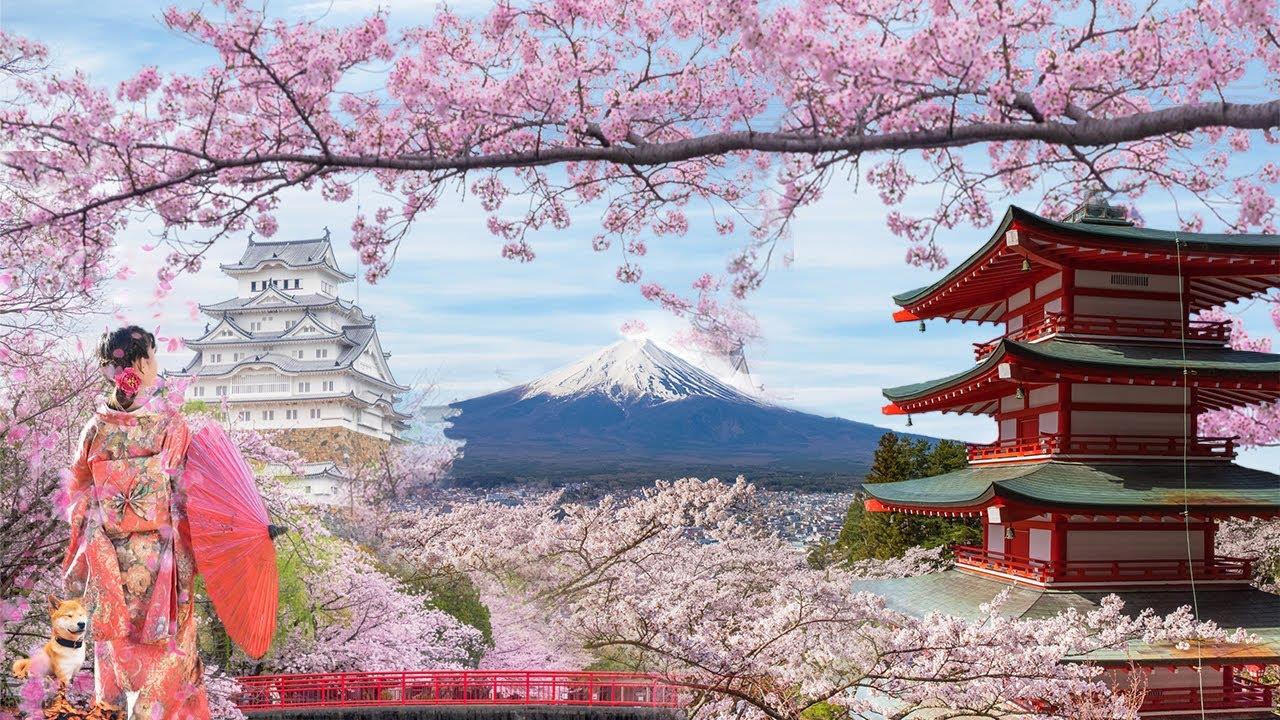
Another opinion holds that harsh natural conditions with frequent disasters like earthquakes and tsunamis have forged a resilient, firm will and solidarity among the Japanese people to combat natural disasters. Although spared from foreign invasions, the Japanese people had to struggle against harsh nature and climate to secure their livelihoods, which shaped the industrious, hardworking, and enduring character of the Japanese.
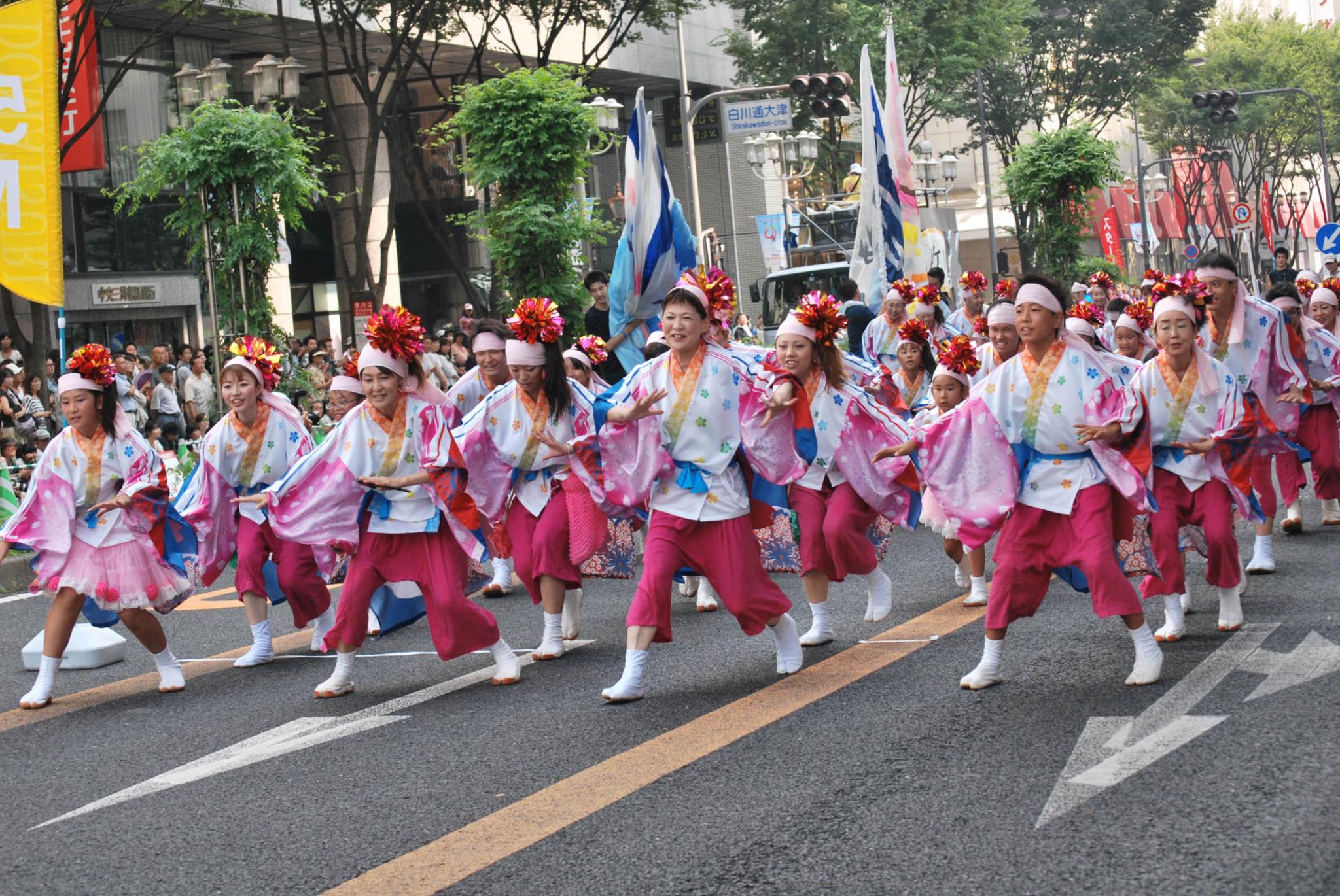
It is also from this environment that the samurai spirit (Bushido) emerged as an ideal and a way of life that honed willpower, fortitude, and determination. The samurai code includes eight core virtues that samurai must cultivate: integrity, courage, benevolence, politeness, self-control, loyalty, and honor. Many religions have entered Japan, but Shinto and Buddhism remain the majority.
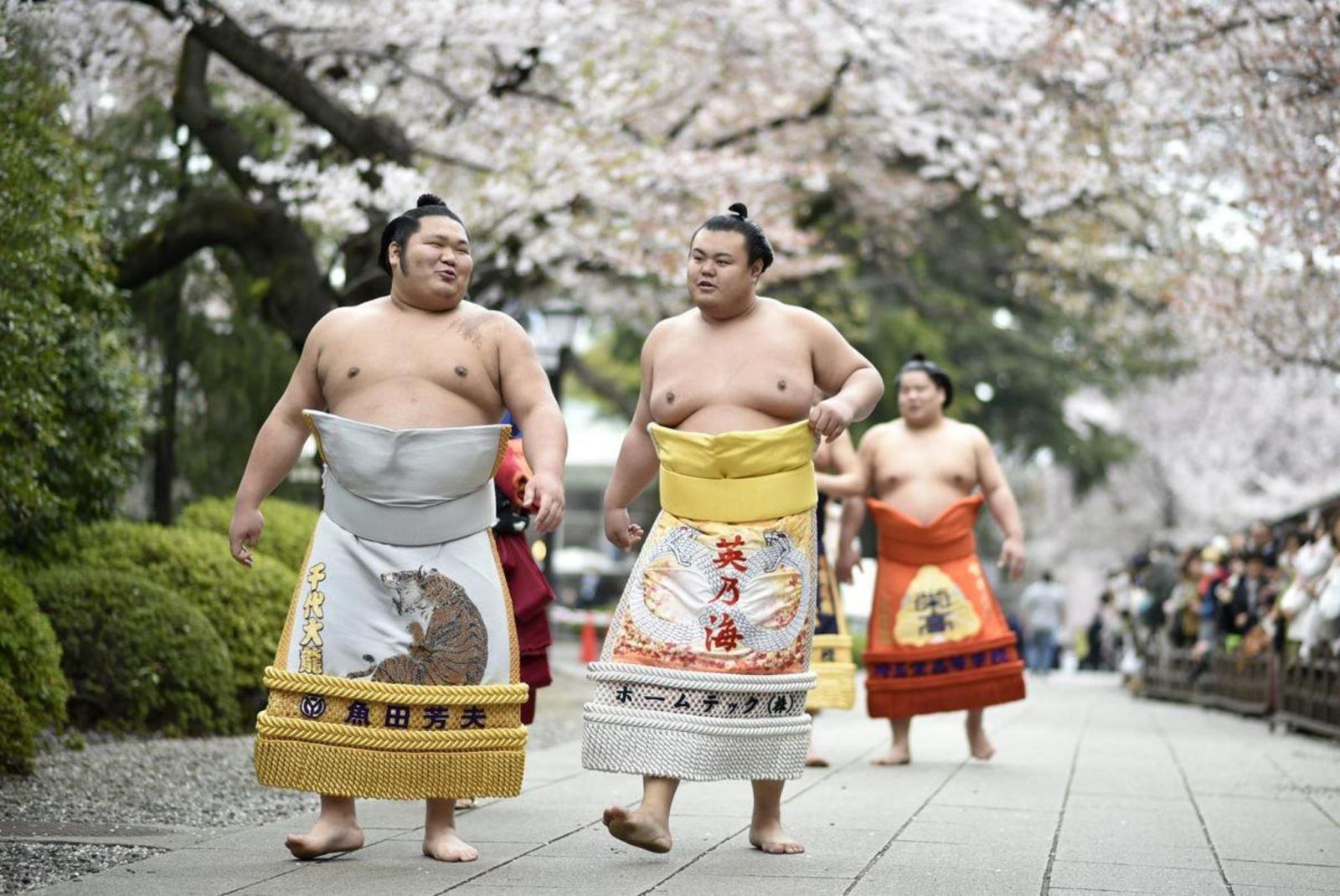
[i]Japanese Sumo wrestlers[/i]
[blue]2. Unique aspects of Japanese culture[/blue]
In Japanese culture, there are things that surprise many tourists visiting Japan, such as:
- Taking off shoes and turning the toes outward before entering a house, then wearing light indoor slippers inside.
- Immediately saying thank you or apologizing when asking for help or bothering someone.
- Eating raw dishes such as fish...
- The custom of giving New Year and Mid-Autumn gifts.
- Slurping ramen or soba noodles loudly, as Japanese people believe slurping shows the chef that the food is delicious.
- Japanese-style toilets, where people often do not know whether to face inward or outward—in reality, you face inward.
Tipping should not be given in Japan
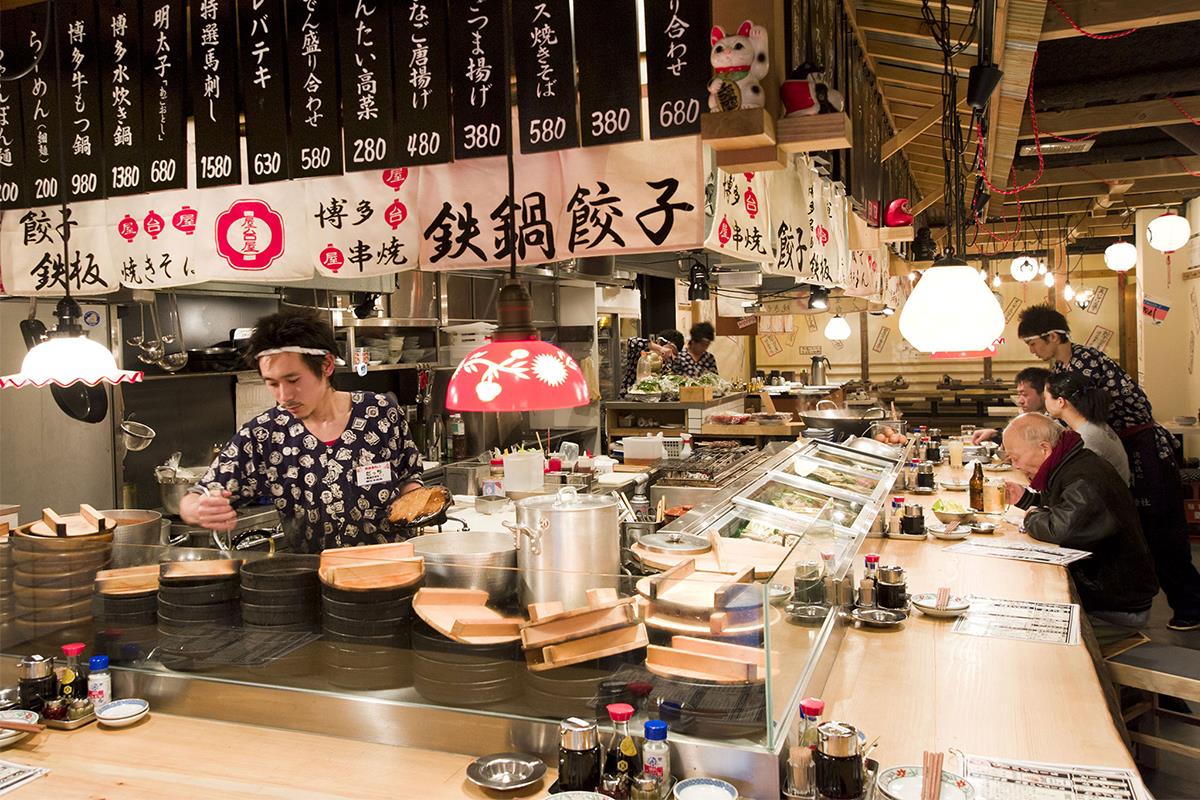
[i]Japanese restaurant[/i]
Overall, Japanese culture is a typical example of the intersection between traditional and modern culture. It is a culture that has fostered the material and spiritual development of society and people throughout Japan.
[blue]3. Japanese tea ceremony culture[/blue]
The tea ceremony is an art of enjoying tea in Japanese culture, developed around the end of the 12th century. Though just a small cup of green tea, to the Japanese it is like an oasis in a vast soul. They believe that through drinking tea and appreciating the tea ceremony, one can discover essential spiritual values within oneself. The spirit of the tea ceremony is summarized in four words: harmony, respect, purity, and tranquility. Harmony stands for peace; respect means showing respect to elders, loving friends and offspring; purity refers to cleanliness and serenity; and tranquility represents the highest aesthetic realm of peaceful tea enjoyment.
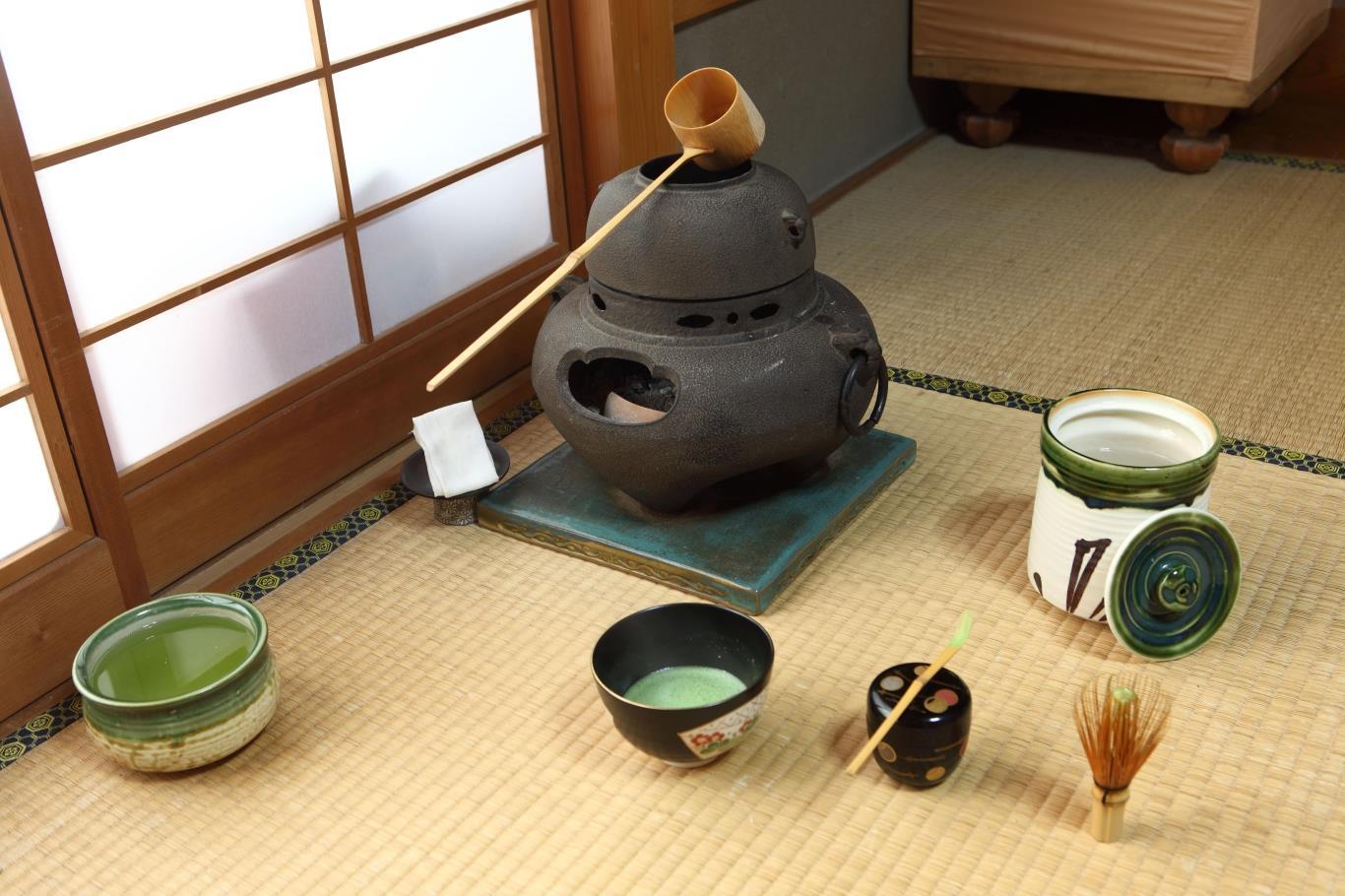
[i]Japanese people always have specific rules in their tea-drinking etiquette[/i]
[blue]4. Customs and ceremonies in Japan[/blue]
Japanese customs and ceremonies have contributed to shaping the characteristic features of Japanese culture, establishing an orderly life, ensuring social development, and creating a Japanese culture rich in endogenous values.
Preserving and promoting a culture rich in national identity is one of the key reasons explaining why Japan saw no looting or self-enrichment during recent earthquake and tsunami disasters, and why many Japanese people stepped up as suicide squads, risking their lives at nuclear power plants.
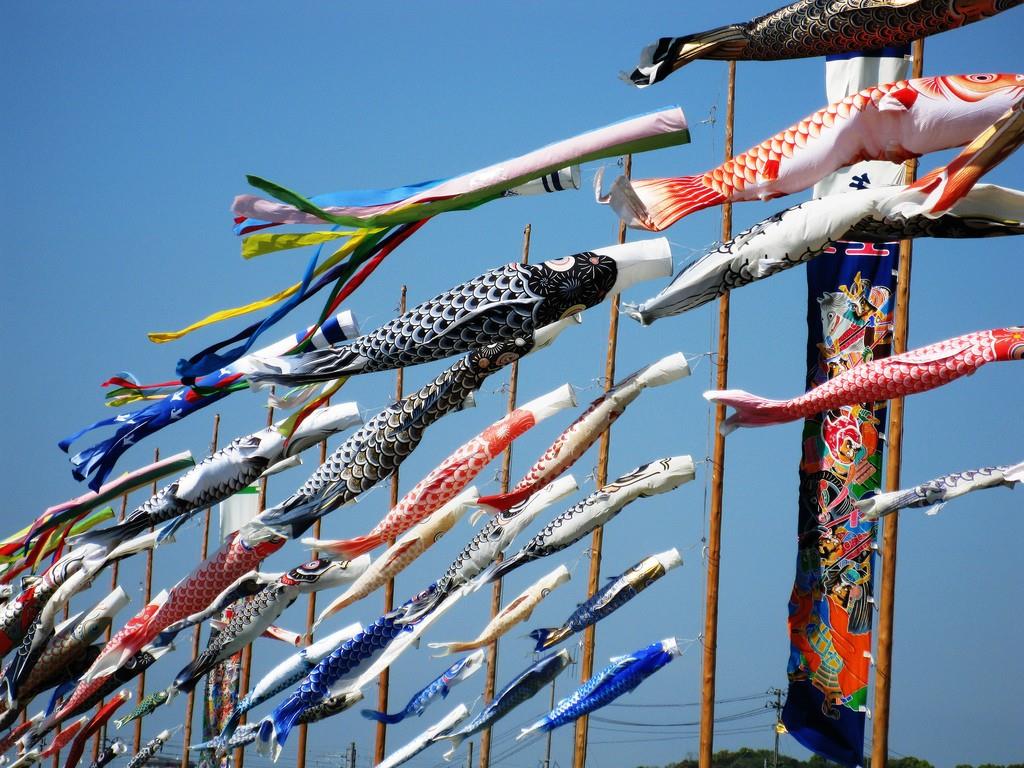
[i]Traditional Japanese ceremonies take place annually, mainly focused around New Year and festive occasions[/i]
Throughout its development, Japanese culture was not conservatively closed off, but sensitive and receptive to new ideas. However, the Japanese always knew how to preserve their national identity. The influence of Chinese and Western cultures on Japanese culture is significant, yet the Japanese embraced them in their own unique way, creating distinctiveness in Japanese culture.
[blue]5. Japanese communication etiquette[/blue]
In traditional Japanese communication, there are rules and etiquette that everyone must follow, depending on the social status and relationship of the individuals involved. The first manifestation in Japanese communication is performing greeting rituals. All Japanese greetings always involve bowing, and the degree of bowing depends on the social status and relationship between the participants.
An unwritten rule is that inferiors must always greet superiors first. According to this rule, older people are superior to younger people, men are superior to women, teachers are superior (regardless of age or situation), guests are superior... The Japanese use three types of bowing:
The Saikeirei style: bowing down slowly and very low is the highest form, expressing deep respect, and is usually performed in front of altars in Shinto shrines, Buddhist temples, national flags, and the Emperor.
Normal bow: bending the torso 20–30 degrees and holding it for 2–3 seconds. If sitting on the floor and wishing to greet, place both hands flat on the floor 10–20 cm apart, with the head lowered 10–15 cm from the floor.
Slight bow: torso and head are only slightly inclined for about one second, hands at the sides. Japanese people greet each other several times a day, but formal bowing is required only the first time; subsequent greetings require only a slight nod or bow.
[i]Source: collected[/i]
From a poor country in East Asia, Japan suffered defeat in World War II and destruction by natural disasters. Through its own efforts, Japan quickly rebuilt the country and today has become one of the leading industrial nations in the world. Achieving such accomplishments, Japanese culture is also considered an important factor contributing to that success and a driving force behind the country's transformation. Not only making efforts to recover the economy, Japan also has to make efforts in preventing natural disasters, tsunamis, and volcanic eruptions... to build prestige with countries around the world through the resilience, solidarity, and orderliness of the Japanese people.
[blue]1. Japanese culture carries a strong distinct cultural identity[/blue]
Japanese culture smoothly combines modern and traditional culture, creating distinctive traits in the culture of Japanese people. There are various opinions attempting to explain the national identity of Japanese culture. However, a prominent view suggests that because Japan is surrounded by seas and islands and has never experienced a foreign invasion, these natural and social conditions created a unified cultural foundation for Japanese society.
Another opinion holds that harsh natural conditions with frequent disasters like earthquakes and tsunamis have forged a resilient, firm will and solidarity among the Japanese people to combat natural disasters. Although spared from foreign invasions, the Japanese people had to struggle against harsh nature and climate to secure their livelihoods, which shaped the industrious, hardworking, and enduring character of the Japanese.
It is also from this environment that the samurai spirit (Bushido) emerged as an ideal and a way of life that honed willpower, fortitude, and determination. The samurai code includes eight core virtues that samurai must cultivate: integrity, courage, benevolence, politeness, self-control, loyalty, and honor. Many religions have entered Japan, but Shinto and Buddhism remain the majority.
[i]Japanese Sumo wrestlers[/i]
[blue]2. Unique aspects of Japanese culture[/blue]
In Japanese culture, there are things that surprise many tourists visiting Japan, such as:
- Taking off shoes and turning the toes outward before entering a house, then wearing light indoor slippers inside.
- Immediately saying thank you or apologizing when asking for help or bothering someone.
- Eating raw dishes such as fish...
- The custom of giving New Year and Mid-Autumn gifts.
- Slurping ramen or soba noodles loudly, as Japanese people believe slurping shows the chef that the food is delicious.
- Japanese-style toilets, where people often do not know whether to face inward or outward—in reality, you face inward.
Tipping should not be given in Japan
[i]Japanese restaurant[/i]
Overall, Japanese culture is a typical example of the intersection between traditional and modern culture. It is a culture that has fostered the material and spiritual development of society and people throughout Japan.
[blue]3. Japanese tea ceremony culture[/blue]
The tea ceremony is an art of enjoying tea in Japanese culture, developed around the end of the 12th century. Though just a small cup of green tea, to the Japanese it is like an oasis in a vast soul. They believe that through drinking tea and appreciating the tea ceremony, one can discover essential spiritual values within oneself. The spirit of the tea ceremony is summarized in four words: harmony, respect, purity, and tranquility. Harmony stands for peace; respect means showing respect to elders, loving friends and offspring; purity refers to cleanliness and serenity; and tranquility represents the highest aesthetic realm of peaceful tea enjoyment.
[i]Japanese people always have specific rules in their tea-drinking etiquette[/i]
[blue]4. Customs and ceremonies in Japan[/blue]
Japanese customs and ceremonies have contributed to shaping the characteristic features of Japanese culture, establishing an orderly life, ensuring social development, and creating a Japanese culture rich in endogenous values.
Preserving and promoting a culture rich in national identity is one of the key reasons explaining why Japan saw no looting or self-enrichment during recent earthquake and tsunami disasters, and why many Japanese people stepped up as suicide squads, risking their lives at nuclear power plants.
[i]Traditional Japanese ceremonies take place annually, mainly focused around New Year and festive occasions[/i]
Throughout its development, Japanese culture was not conservatively closed off, but sensitive and receptive to new ideas. However, the Japanese always knew how to preserve their national identity. The influence of Chinese and Western cultures on Japanese culture is significant, yet the Japanese embraced them in their own unique way, creating distinctiveness in Japanese culture.
[blue]5. Japanese communication etiquette[/blue]
In traditional Japanese communication, there are rules and etiquette that everyone must follow, depending on the social status and relationship of the individuals involved. The first manifestation in Japanese communication is performing greeting rituals. All Japanese greetings always involve bowing, and the degree of bowing depends on the social status and relationship between the participants.
An unwritten rule is that inferiors must always greet superiors first. According to this rule, older people are superior to younger people, men are superior to women, teachers are superior (regardless of age or situation), guests are superior... The Japanese use three types of bowing:
The Saikeirei style: bowing down slowly and very low is the highest form, expressing deep respect, and is usually performed in front of altars in Shinto shrines, Buddhist temples, national flags, and the Emperor.
Normal bow: bending the torso 20–30 degrees and holding it for 2–3 seconds. If sitting on the floor and wishing to greet, place both hands flat on the floor 10–20 cm apart, with the head lowered 10–15 cm from the floor.
Slight bow: torso and head are only slightly inclined for about one second, hands at the sides. Japanese people greet each other several times a day, but formal bowing is required only the first time; subsequent greetings require only a slight nod or bow.
[i]Source: collected[/i]



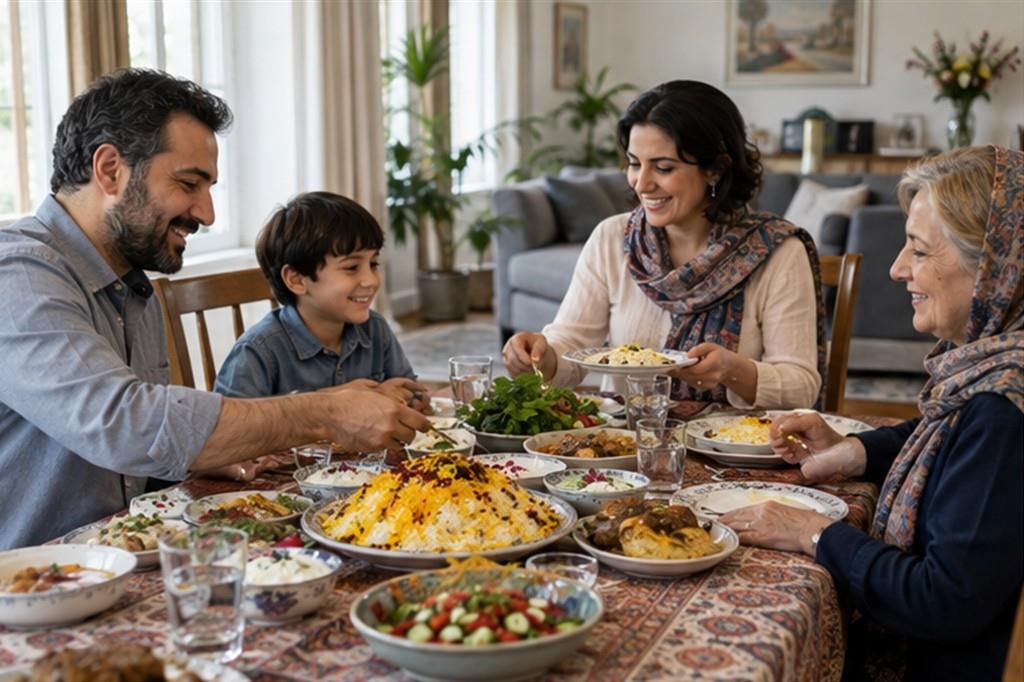 Persian rice and tahdig: saffron, a crisp bottom layer and the sofreh
 Moroccan couscous and tagine: rhythm, hospitality and the flavours of North Africa
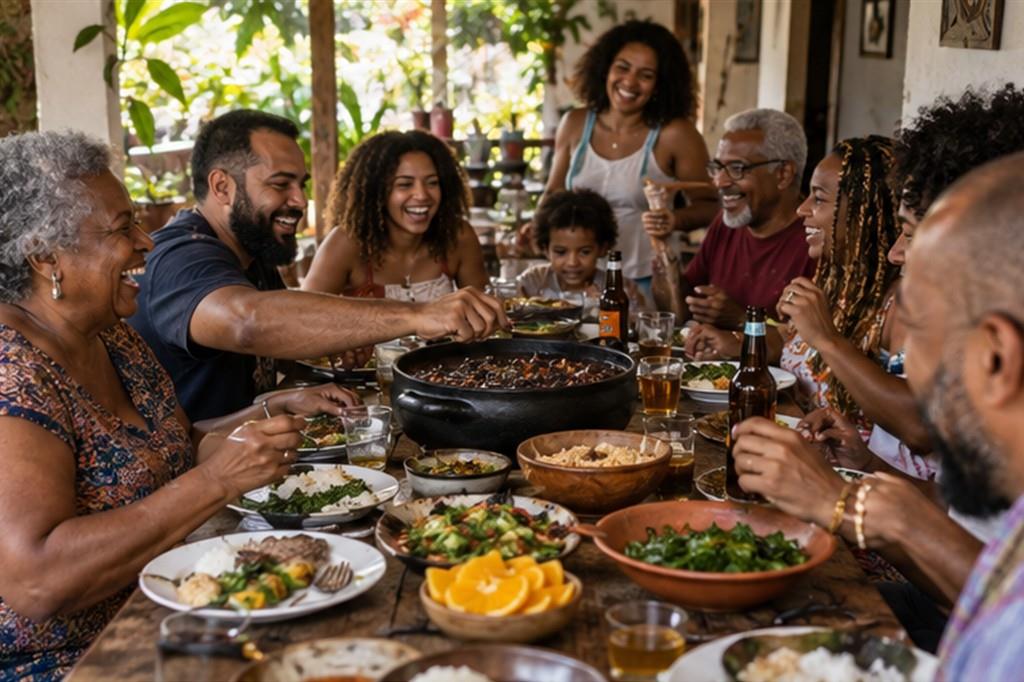 Brazilian feijoada: a pot of black beans, a weekend lunch and a story with many roots
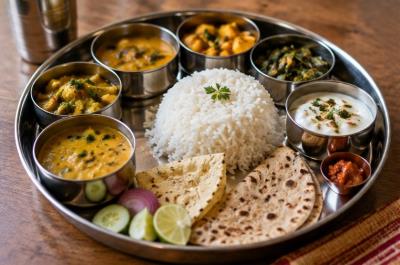 The Indian thali: a balanced tray that tells a regional story and a way of eating together
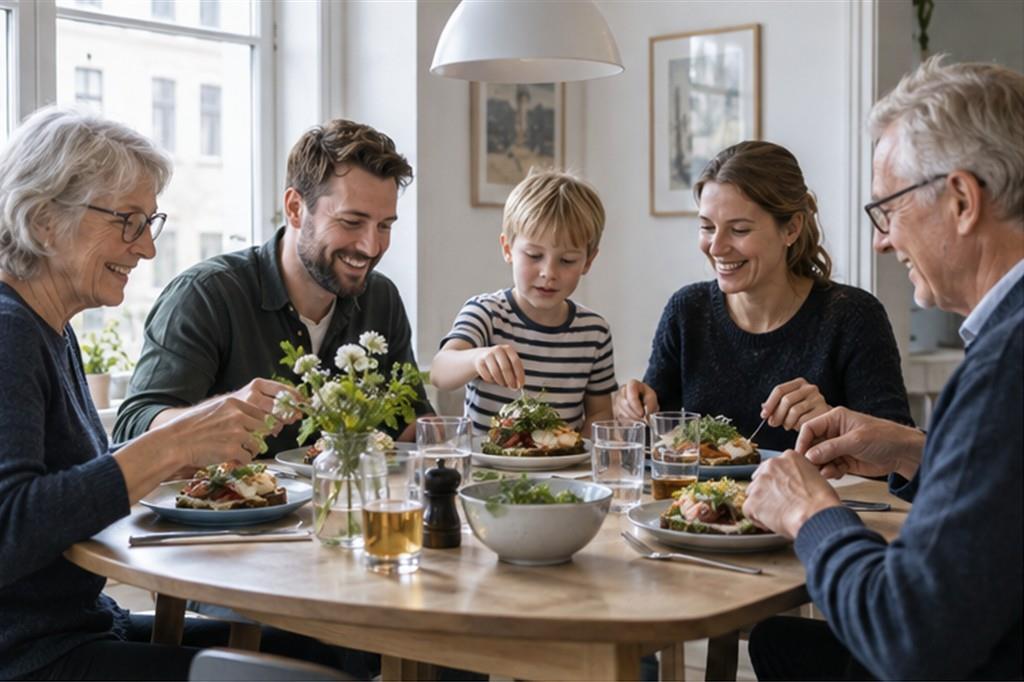 Danish smørrebrød: the open sandwich and the art of composing a lunch
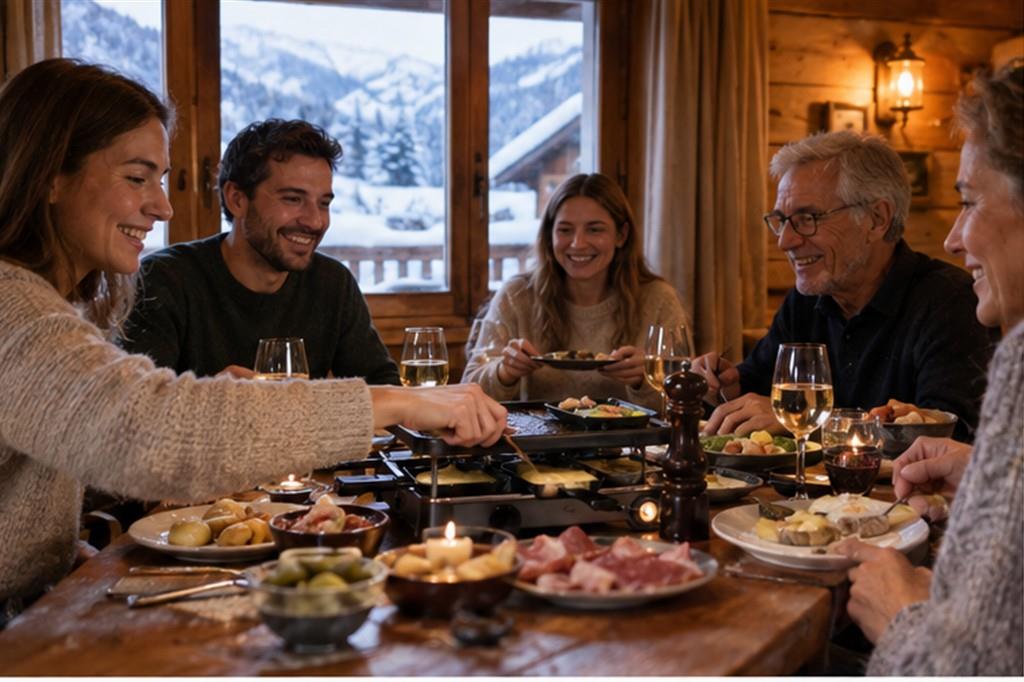 Swiss raclette: melted cheese and a shared table in the cold season
 Injera in Ethiopia and Eritrea: the shared platter that binds a community
 Italian aperitivo: the pause at the end of the day, between a drink and a conversation
Đăng nhập để bình luận: / Sign in to comment: