



Keeping a bedroom cooler through a hot spell
Blocking the heat during the day and ventilating at the right moment makes the room far more comfortable.
This article focuses on steps you can apply straight away, while pointing out what to check so you do not follow them mechanically. Adjust them to your actual circumstances, to the manufacturer's instructions and to the rules where you live or are visiting.
How to do it, step by step
1. Close the curtains on sun-facing windows, choosing a suitable heat-blocking layer
Close the curtains on sun-facing windows, choosing a suitable heat-blocking layer. Get all the tools ready before you start, look at the result after each step, and stop if anything looks unsafe or different from what you expected. Going slowly the first time usually saves the time it would take to put mistakes right later.
2. Set up a cross draught when the outdoor temperature is lower than indoors
Set up a cross draught when the outdoor temperature is lower than indoors. Get all the tools ready before you start, look at the result after each step, and stop if anything looks unsafe or different from what you expected. Going slowly the first time usually saves the time it would take to put mistakes right later.
3. Switch off heat-producing devices you do not need
Switch off heat-producing devices you do not need. Get all the tools ready before you start, look at the result after each step, and stop if anything looks unsafe or different from what you expected. Going slowly the first time usually saves the time it would take to put mistakes right later.
4. Use a fan to move the air, keeping the intake and outlet clear
Use a fan to move the air, keeping the intake and outlet clear. Get all the tools ready before you start, look at the result after each step, and stop if anything looks unsafe or different from what you expected. Going slowly the first time usually saves the time it would take to put mistakes right later.
5. Drink enough water and run air conditioning at a sensible setting when you need it
Drink enough water and run air conditioning at a sensible setting when you need it. Get all the tools ready before you start, look at the result after each step, and stop if anything looks unsafe or different from what you expected. Going slowly the first time usually saves the time it would take to put mistakes right later.
A quick checklist
- Check the actual conditions and have a fallback ready.
- Put safety and hygiene first, along with the official instructions for the device or from the local authorities.
- Try it on a small area before applying it everywhere.
- Write down what worked so it goes faster next time.
Common mistakes
The usual mistakes are skipping the checking step, using too much product, or pressing on after the conditions have changed. Do not mix chemicals, do not take on electrical or structural repairs without the expertise, and never trade safety for a few saved minutes.
In closing
Blocking the heat during the day and ventilating at the right moment makes the room far more comfortable. Start with the simple version, review it once you have done it, and keep it up as a habit that suits your household or your travels.



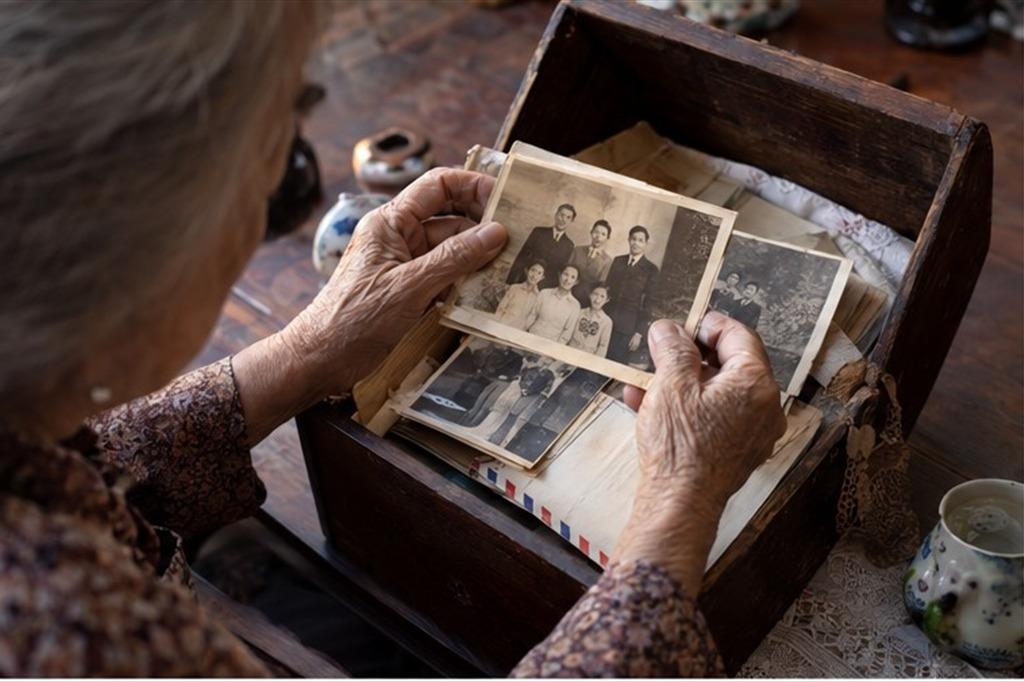 Letters, photographs and keepsakes: learning gratitude for earlier generations through family memory
 Easing neck and shoulder tension at a desk: adjusting your setup and changing position
 A city is clean and safe because of people who start their working day before we do
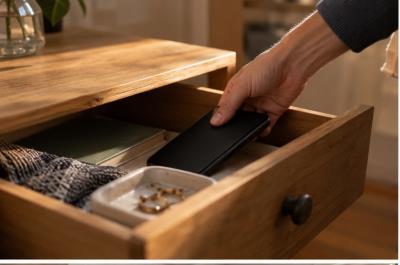 One phone-free hour a day: a small gap for returning to real life
 Small rituals that keep a family close inside a busy schedule
 Morning light and your sleep rhythm: building a steadier wake-up schedule
 Repair instead of replacing in a hurry: a small habit for a sturdier home and less waste
 A happy family is not a family that never argues
Đăng nhập để bình luận: / Sign in to comment: