



Cleaning white shoes according to the material
Canvas, leather and synthetics each need a different approach, and a patch test always comes first.
This article focuses on steps you can apply straight away, while pointing out what to check so you do not follow them mechanically. Adjust them to your actual circumstances, to the manufacturer's instructions and to the rules where you live or are visiting.
How to do it, step by step
1. Take out the laces, brush off dried mud and identify the material
Take out the laces, brush off dried mud and identify the material. Get all the tools ready before you start, look at the result after each step, and stop if anything looks unsafe or different from what you expected. Going slowly the first time usually saves the time it would take to put mistakes right later.
2. Test a gentle solution on a small, hidden area
Test a gentle solution on a small, hidden area. Get all the tools ready before you start, look at the result after each step, and stop if anything looks unsafe or different from what you expected. Going slowly the first time usually saves the time it would take to put mistakes right later.
3. Use a soft brush on the sole and a soft cloth on delicate uppers
Use a soft brush on the sole and a soft cloth on delicate uppers. Get all the tools ready before you start, look at the result after each step, and stop if anything looks unsafe or different from what you expected. Going slowly the first time usually saves the time it would take to put mistakes right later.
4. Do not soak glued or leather shoes unless the maker allows it
Do not soak glued or leather shoes unless the maker allows it. Get all the tools ready before you start, look at the result after each step, and stop if anything looks unsafe or different from what you expected. Going slowly the first time usually saves the time it would take to put mistakes right later.
5. Stuff them with clean paper, dry them out of the sun and relace when dry
Stuff them with clean paper, dry them out of the sun and relace when dry. Get all the tools ready before you start, look at the result after each step, and stop if anything looks unsafe or different from what you expected. Going slowly the first time usually saves the time it would take to put mistakes right later.
A quick checklist
- Check the actual conditions and have a fallback ready.
- Put safety and hygiene first, along with the official instructions for the device or from the local authorities.
- Try it on a small area before applying it everywhere.
- Write down what worked so it goes faster next time.
Common mistakes
The usual mistakes are skipping the checking step, using too much product, or pressing on after the conditions have changed. Do not mix chemicals, do not take on electrical or structural repairs without the expertise, and never trade safety for a few saved minutes.
In closing
Canvas, leather and synthetics each need a different approach, and a patch test always comes first. Start with the simple version, review it once you have done it, and keep it up as a habit that suits your household or your travels.



 The family meal, and its power to keep a household together
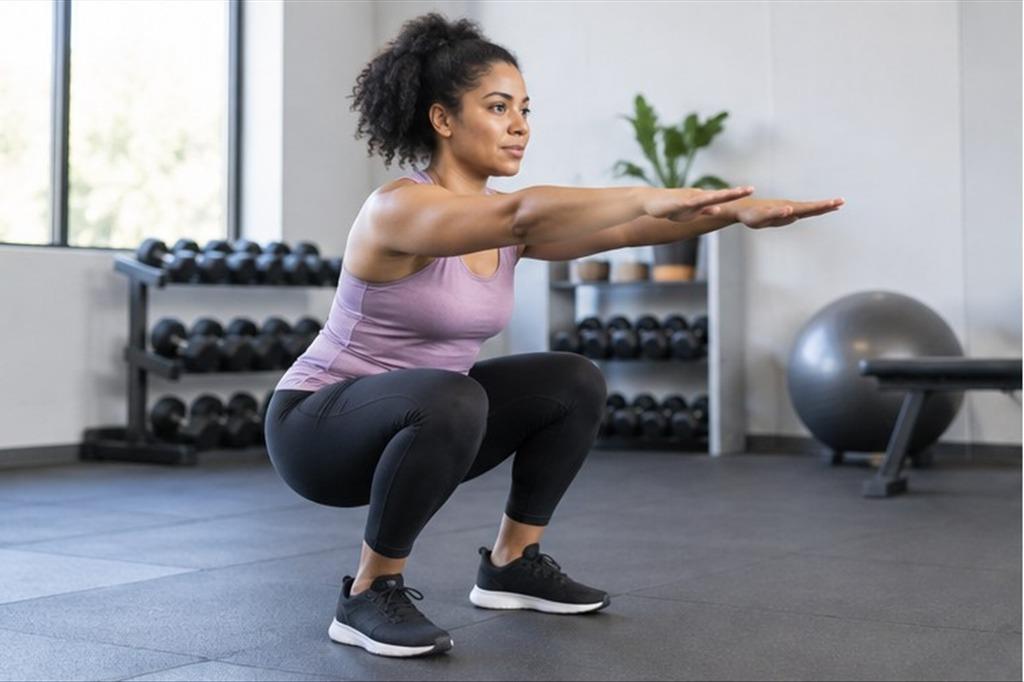 Strength training for beginners: start light, get the technique right, build up gradually
 Loving your country through small daily acts: when responsibility starts at your own front door
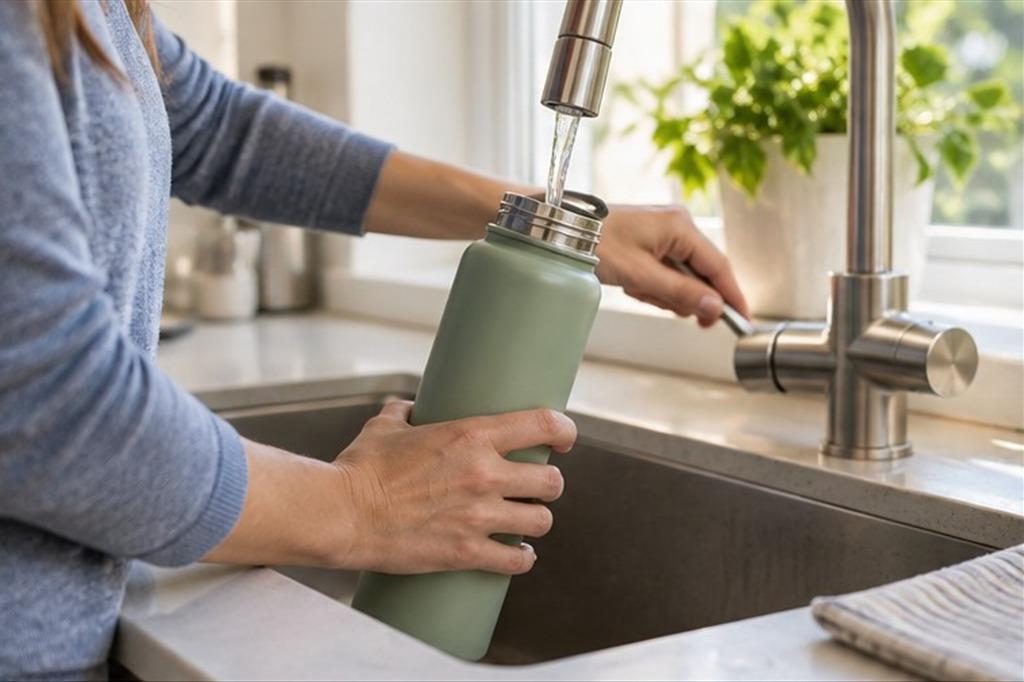 Drinking enough water each day: reading your needs instead of forcing a number
 Carrying it on with more than thanks: what can young people do to be worthy of those who came before?
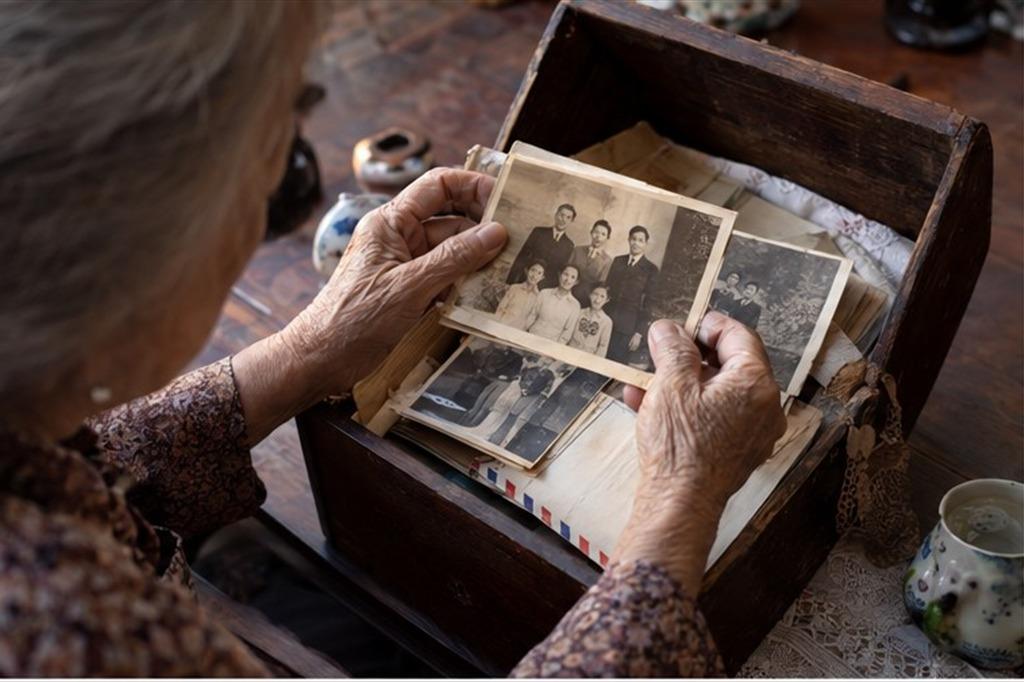 Letters, photographs and keepsakes: learning gratitude for earlier generations through family memory
 Easing neck and shoulder tension at a desk: adjusting your setup and changing position
 A city is clean and safe because of people who start their working day before we do
Đăng nhập để bình luận: / Sign in to comment: