



How to eat out without getting ripped off: spotting red-flag eateries and handling the bill
Getting ripped off is rarely random. It happens in places where three conditions exist at the same time: passing tourists who won't return a second time, menus without clearly displayed prices, and customers who are hesitant to make a scene. Understanding these three conditions alone will help you avoid most of the risk.
Spotting risky eateries before sitting down
No price list, or ambiguously listed prices
The menu lists dish names without prices, or states market price or seasonal price. For seafood, listing price per kg without clarifying how much the specific item you chose weighs is also a loophole ready to be exploited.
Touts standing outside to lure customers
Decent eateries in tourist areas rarely need someone standing out on the street soliciting customers. Paying commissions to touts is always factored into your final bill.
Prime location but lacking local patrons
This is the most reliable sign. An eatery right next to a tourist spot that has no local residents eating there almost certainly charges tourist-only prices.
Staff avoid answering price questions directly
When you ask how much a plate costs, they reply just eat, it's not expensive. That is the exact answer that should make you stand up and leave.
Four things you should do right when you sit down
- Take a photo of the menu. It takes three seconds and serves as your strongest evidence if a dispute arises later.
- Ask the price of each item before ordering, including things that seem free: wet wipes, iced tea, peanuts, fresh herbs/vegetables, dipping sauces. Many inflated bills stem from these exact line items.
- For seafood, request that it be weighed in front of you. Clearly see the number on the scale, and make sure it is weighed after draining any water from the bag.
- Clearly specify the number of diners. Prevent the restaurant from automatically serving a portion larger than requested and then charging for what was served.
Extra charges commonly added without customers noticing
- Wet wipes and iced tea charged per person
- Fresh herbs, pickles, or prawn crackers brought out without being ordered
- Service fees or private room charges not announced in advance
- Ice charged separately from beverages
- Complimentary items that end up on the bill
A simple way to handle this: when the staff bring something you didn't order, immediately say I didn't order this, please take it back. Returning an item before touching it is always easier than arguing when paying the bill.
When the bill is abnormally high
The most important thing is to stay calm. Your goal is to get home safely, not to win an argument.
- Request an itemized bill detailing each dish. Do not accept just a lump sum total.
- Compare it with the menu photo you took. Point out specifically which lines are incorrect.
- Speak with the manager, do not argue with waitstaff as they don't have decision-making authority.
- If threatened or coerced, call 113. This constitutes extortion, no longer just a pricing dispute.
- Record video if the situation gets tense, but only if you are in a crowded place and feel safe.
If the overcharged amount is small and you are in a quiet, secluded area, consider paying and leaving, then reporting it through official channels afterward. Your safety is worth far more than that price difference.
Where to report overcharging
- Provincial or city tourism hotlines, usually posted at major tourist attractions
- The tourist site management board if the eatery is located within the premises
- Local market surveillance authorities for failure to display prices
- The 1022 hotline in certain provinces and cities
When filing a report, required information includes: restaurant name, address, time, photo of the bill, photo of the menu. Without photos, reports are almost impossible to process.
How to find decent eateries in an unfamiliar area
A few simple yet effective tips:
- Walk three to five hundred meters away from tourist attractions. Prices often drop significantly after just a few hundred meters.
- Ask hotel receptionists where they usually have lunch themselves, not where they recommend to guests.
- Choose spots packed with local residents during local meal times.
- An eatery with a clearly printed price list posted on the wall is a good sign.
Lending a hand to future travelers
If you encounter a rip-off restaurant, please post a topic in the forum's Experience & Sharing section. A complete post should include: the restaurant's name and address, date of the incident, photos of the bill, price charged versus a reasonable price, and how the restaurant reacted when questioned.
Conversely, if you find a delicious restaurant with honest pricing, you should share that too. A list of trustworthy places is no less useful than a list of places to avoid.


 Da Lat without chasing sights: a slow three-day plan with room to breathe
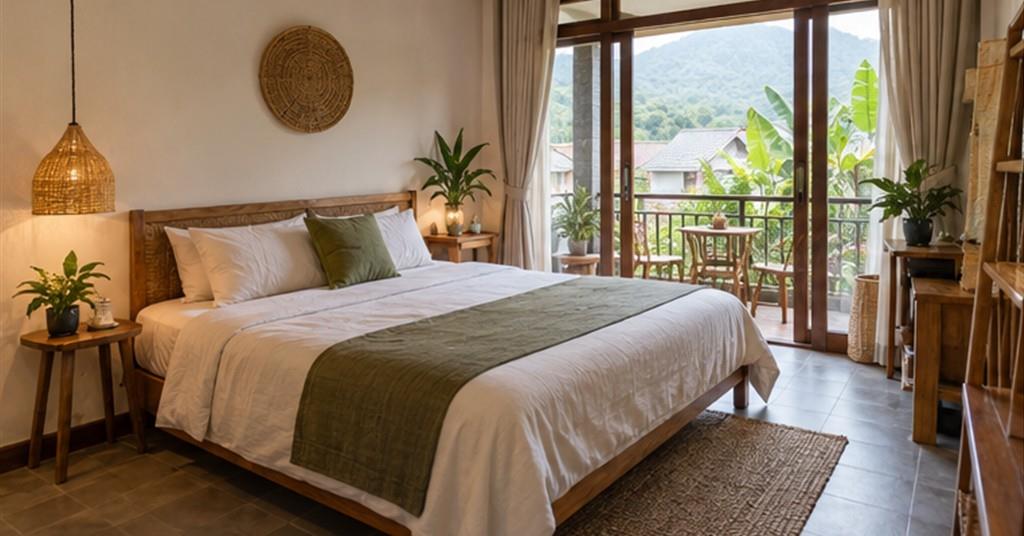 Is a homestay worth staying in? Do not judge by the pretty room alone
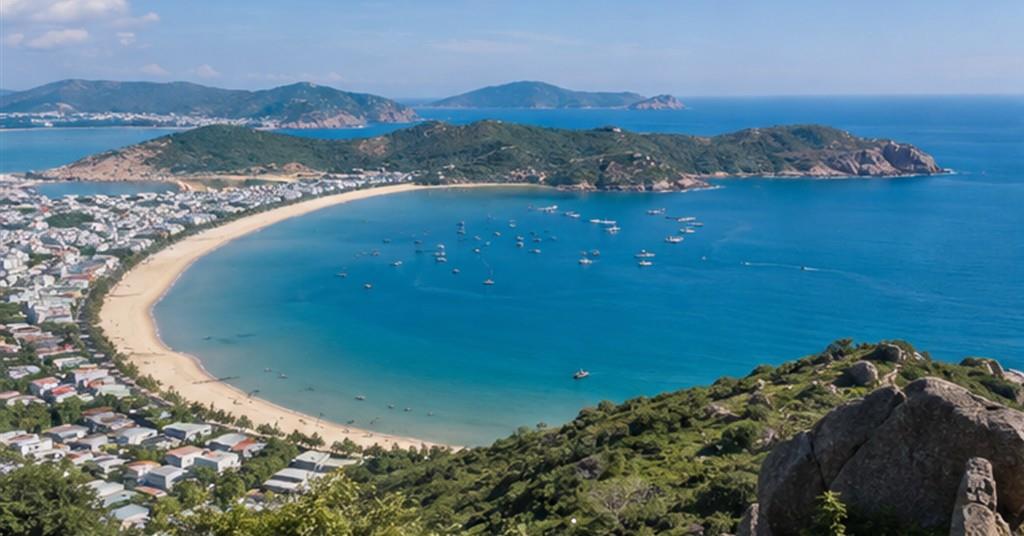 Three days in Quy Nhon: a plan for the sea, a fishing village and a real rest
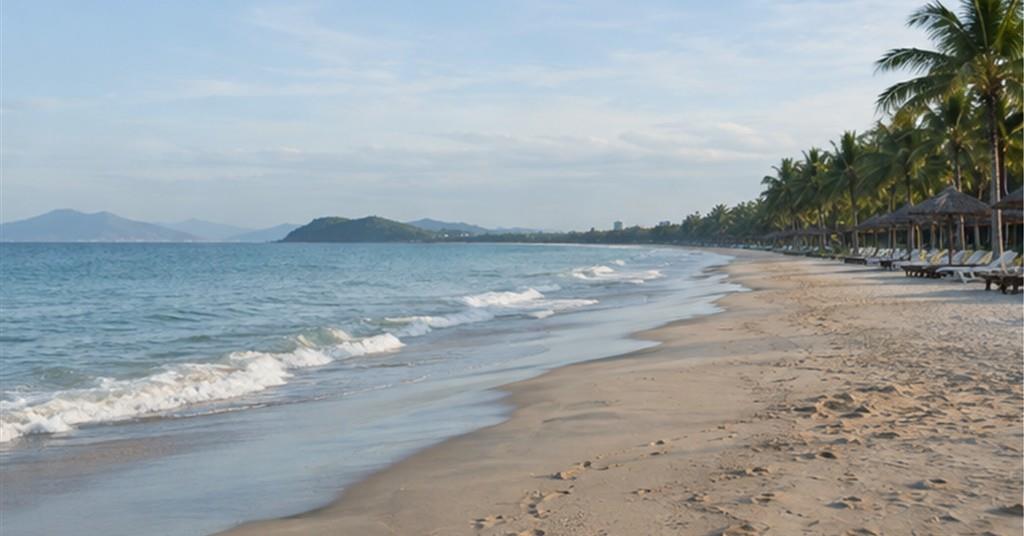 Central Vietnam's beaches after high season: quieter, but what should you watch for?
 Checking into a hotel: 12 things to look at before you open your luggage
 Visiting the Mekong Delta in the flood season: what to prepare for a safe and decent trip
 Madame Lan review, Da Nang: a Vietnamese meal by the Han river that suits families and larger groups
 A weekend in Cao Bang: which route keeps you from getting worn out?
Đăng nhập để bình luận: / Sign in to comment: