



Coastal camping in Vietnam: reading the tide, avoiding strong wind and leaving no rubbish
A night in a tent by the sea can be beautiful, but a flat stretch of sand in the afternoon is not necessarily safe once the tide comes in. A shift in the wind, a thunderstorm, big waves and local rules are the four things to check before you drive the first peg.
This article focuses on principles of preparation and decision-making; it does not replace guidance on the ground. Road conditions, weather, transport timetables and local rules can all change, so check again with whoever manages the area before you go.
Understanding the journey properly
Vietnam's coastline is long, and every beach has its own terrain, wind season, currents and managing authority. Some places allow camping; others restrict overnight stays for conservation, security, sea turtles or weather risk. Ask the local authority, the management board or the landowner before you pitch a tent.
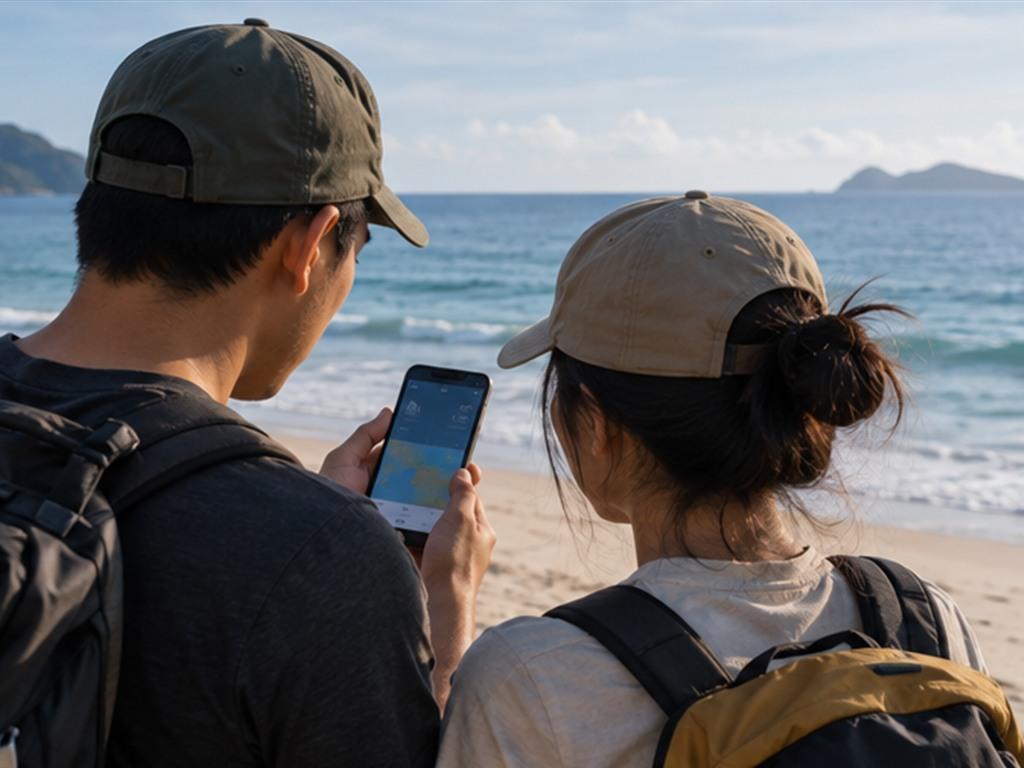
Do not choose a spot just because it is near the water and looks good in a photograph. Look for the line of debris, the seaweed, the wet sand and the high-tide mark; ask local people about the water level at night. Avoid river mouths, the foot of cliffs where rocks fall, unstable dunes and rescue-vehicle access routes.
Preparing before you set out
Check forecasts for rain, thunderstorms, wind and tides from a reliable source, then compare them with what you can see for yourself. Set a clear cancellation threshold: wind beyond what the tent can take, a rough-sea warning, or an area under an evacuation order are all reasons to leave.
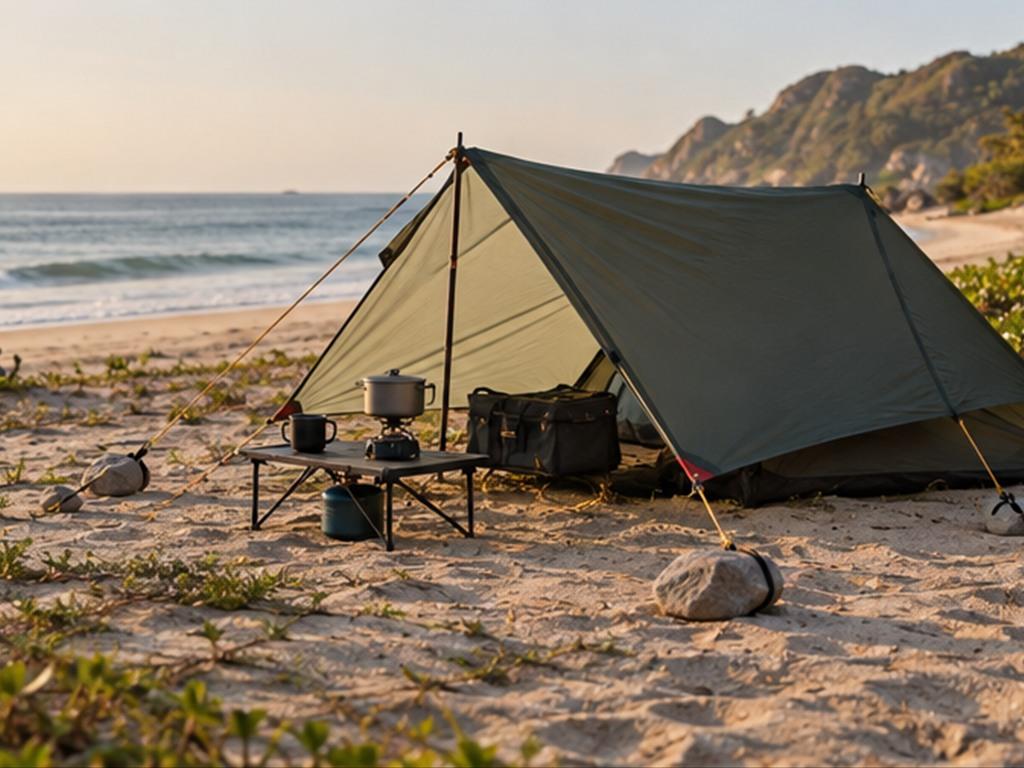
Use a low tent that stands up to wind, pegs suited to sand and guy lines marked so no one trips over them. Bring a light, a dry bag, clean water, a first-aid kit and a power bank. Do not tie lines to young trees or bury anything that could leave a hazard behind.
Cook on a stable stove in a well-ventilated spot, away from the tent and from dry vegetation. Many beaches ban fires; even where they do not, burning wood on sand can leave hot coals, nails and fragments that cause burns.
Pack in three layers: what you must reach at once, what you need during the day, and what you will only use once you reach your resting place. Documents, phone, personal medication and emergency items should always be easy to get at. Each person should know how to use their own equipment rather than assuming the group leader will handle everything.
Keeping a safe rhythm along the way
Pitch above the tide line and far enough from the surf, with the entrance turned away from the prevailing wind. Check the guy lines when the weather changes and keep the exit clear. Do not sleep apart from the group somewhere hard to see.
Swim only where it is suitable, within safe hours and never after drinking. Rip currents can appear on a beach that looks calm; anyone who does not know the conditions should ask a lifeguard or a local.
Risks that are usually underestimated
A sea storm can arrive fast. If you hear thunder or see storm clouds, leave the open sand and the water's edge and find a solid building; a tent is no shelter from lightning. Do not try to save the camp if packing up means standing outside in danger.
Daytime heat and dehydration still happen in a cool breeze. Shade yourself, drink steadily, keep chilled food properly and throw away anything that smells off, has gone slimy or has sat too long at an unsafe temperature.
A turnaround rule should be agreed while the whole group is still calm: if the cut-off time arrives, the weather crosses the threshold, someone is unwell or a key piece of equipment fails, you stop. Turning back is not failure; it is the skill that leaves a next trip possible.
Behaving responsibly towards the place you visit
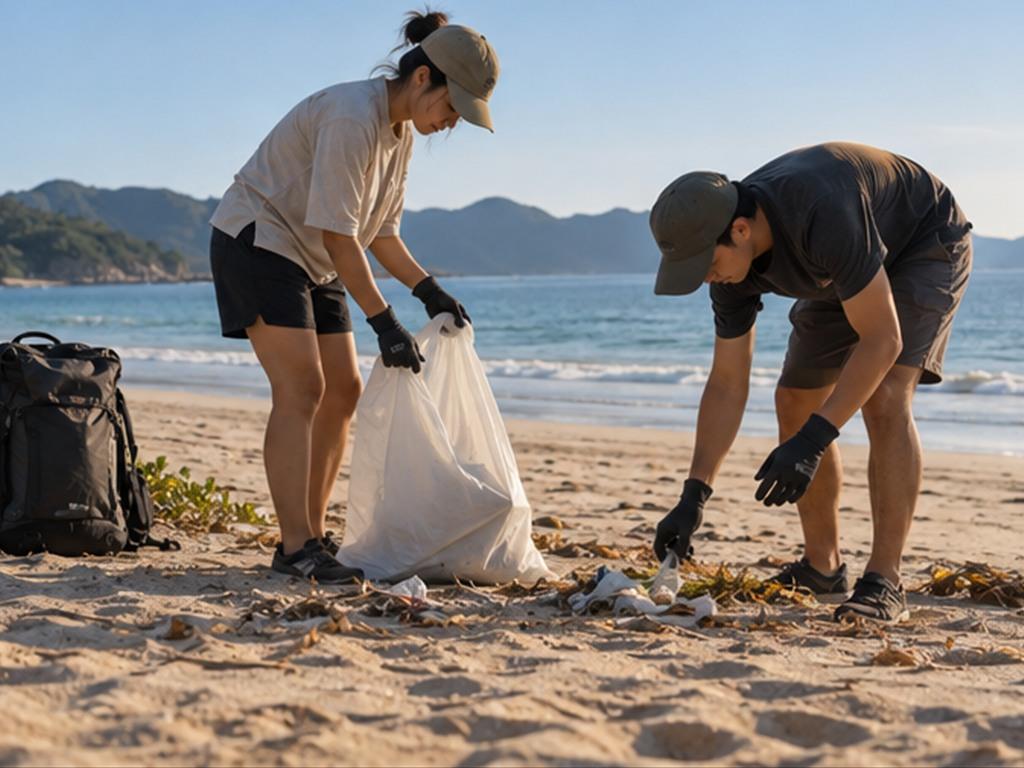
Take out everything you brought in, including leftover food, coals and tissues. Do not tip greasy or soapy washing water into the sea; use the designated facilities and do not bury rubbish in the sand.
Keep the volume down, avoid shining lights directly into habitat, and do not take coral or shells that still hold living creatures. Buying water and food or hiring local services means the trip creates value for the place you visit.
A checklist before departure
- Asked about camping permission and the rules on fire, noise and rubbish.
- Checked the forecast, the tides and the evacuation route.
- Tent, sand pegs, reflective guy lines and a dry bag.
- Clean water, safely stored food, a light and first aid.
- A spot above the tide line, away from river mouths and unstable cliffs.
- A bag for all the rubbish; no coals or pegs and lines left on the beach.
A plan for communication and for incidents
Send someone who is not on the trip your intended route, where you will sleep, who is coming, your transport and the time you will check in. Agree how long an overdue check-in should be before they call back, contact the accommodation or alert a support service. A short message when plans change is worth far more than many posts after the trip.
If something goes wrong, put people's safety first, call for help and give a location that is easy to understand. Do not move someone with a serious injury unless the place remains dangerous. A first-aid kit is only useful if someone knows how to use it; learning basic skills before a trip always matters more than carrying an oversized bag of supplies.
Travelling as a group without creating pressure
Appoint a leader to coordinate, but every member still has the right to say they are tired, afraid or want to stop. Do not leave the slowest person behind, do not use dares to push anyone past their limit, and always have someone bringing up the rear. A small group is usually easier to manage, quieter and quicker to react.
Share out costs, tasks and expectations from the start: who books, who watches the weather, who carries the first-aid kit, what time you get up and what level of comfort everyone wants. Conversations that seem trivial are what prevent conflict once people are tired.
What should the money go on?
A safety budget covers servicing or hiring good transport, a guide where one is needed, a fallback place to stay, suitable insurance and an emergency reserve. Save by packing light, travelling in a small group and booking with a plan; do not save by dropping protective gear, choosing a vehicle of unknown condition or going against the rules.
Conclusion
A night in a tent by the sea can be beautiful, but a flat stretch of sand in the afternoon is not necessarily safe once the tide comes in. A shift in the wind, a thunderstorm, big waves and local rules are the four things to check before you drive the first peg. Good preparation does not make a trip less of an adventure; it creates the room to observe, to meet people and to enjoy Vietnam without pushing the risk onto your companions or the local community.



 A fair restaurant review: seven questions to answer before you give a score
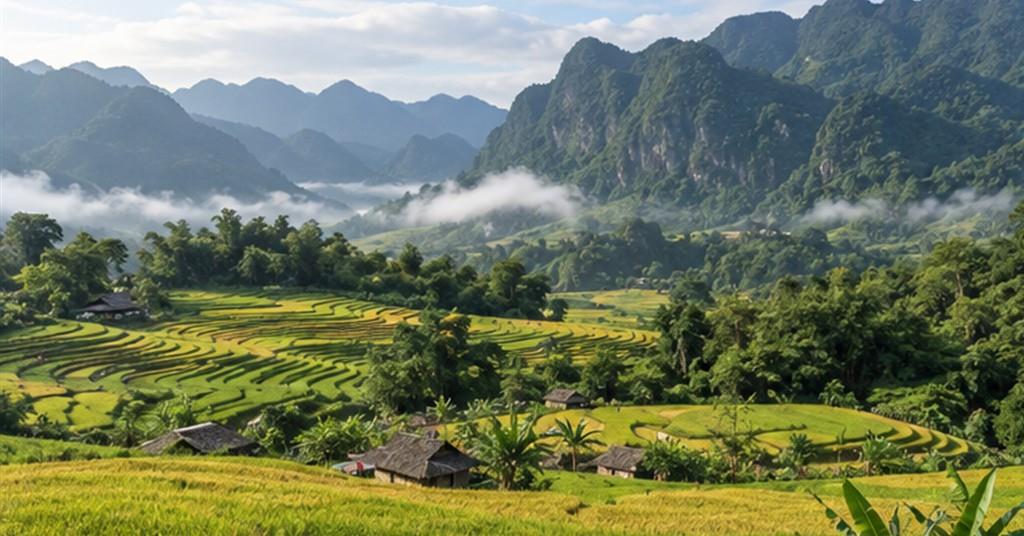 A first trek in Pu Luong: pick a route you can manage and walk it responsibly
 Da Lat without chasing sights: a slow three-day plan with room to breathe
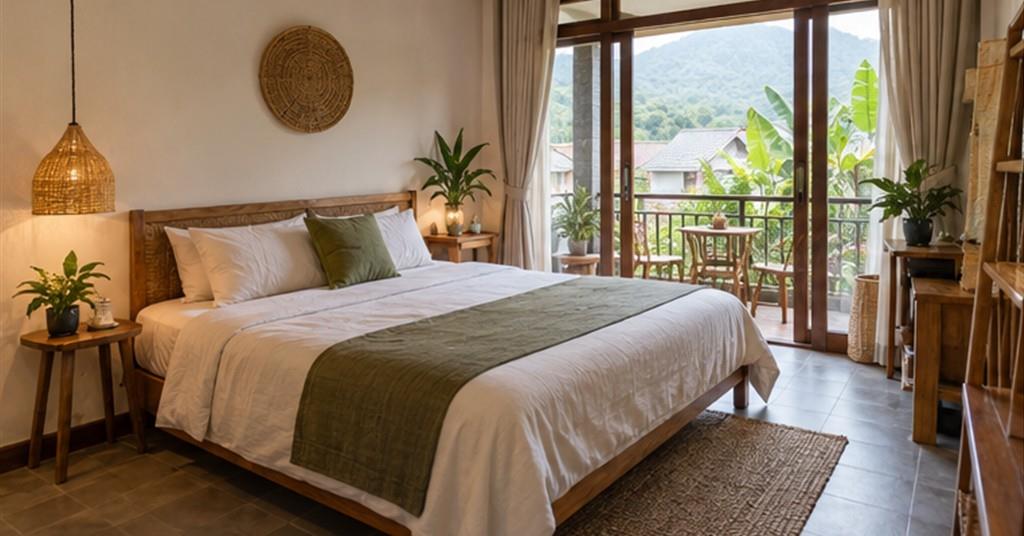 Is a homestay worth staying in? Do not judge by the pretty room alone
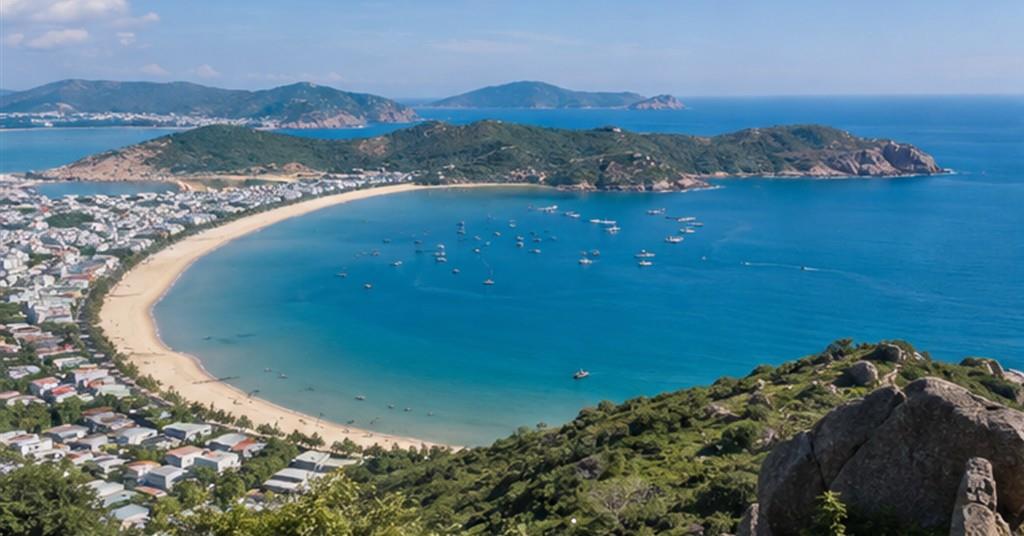 Three days in Quy Nhon: a plan for the sea, a fishing village and a real rest
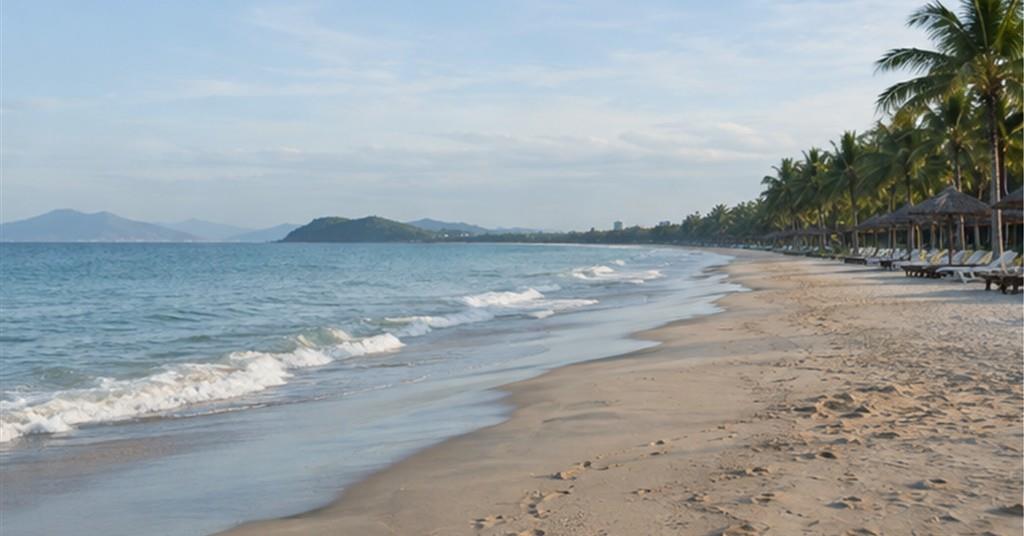 Central Vietnam's beaches after high season: quieter, but what should you watch for?
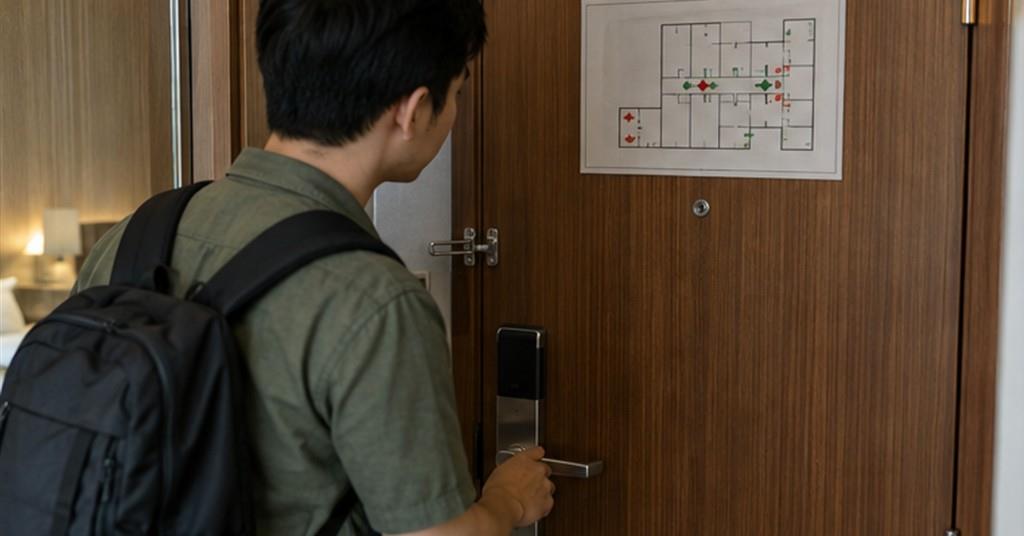 Checking into a hotel: 12 things to look at before you open your luggage
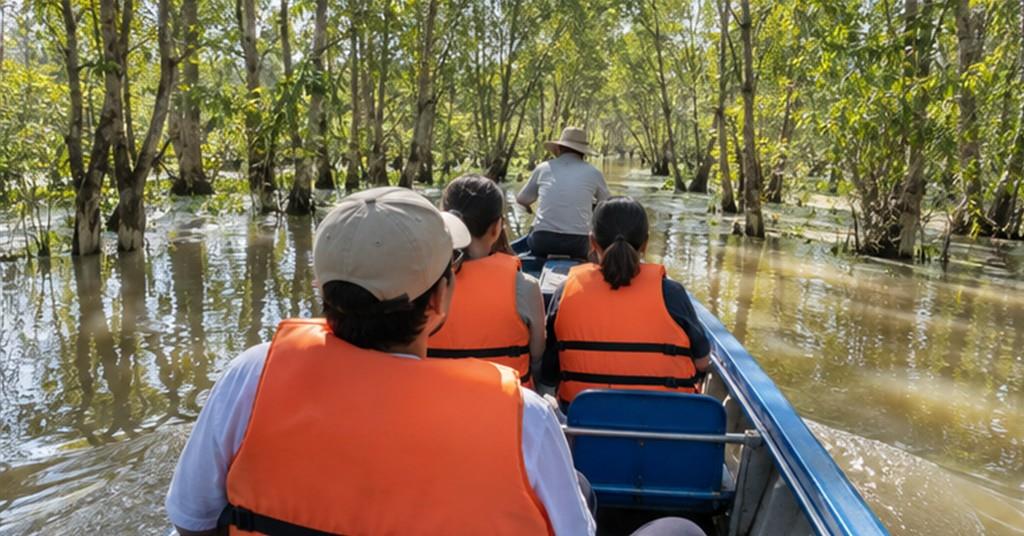 Visiting the Mekong Delta in the flood season: what to prepare for a safe and decent trip
Đăng nhập để bình luận: / Sign in to comment: