



Sapa and Things You Might Not Know Yet!
Although many say Sapa has become commercialized, travelers are still enchanted by this place—its scenery and climate are wonderful.

Sapa—anyone who visits once will want to return, wanting to stay as long as possible. Among those living in Sapa are native Hanoians who moved here, folks from as far as the Mekong Delta who somehow drifted to this remote land, and Western expats who opened shops and settled down.
Sapa is somewhat similar to Da Lat in terms of climate, but the scenery and local people feel like a whole different world. Late April and early May are Sapa's least attractive times of the year; the terraced fields show only soil and water as the planting season just begins, and the landscape is far from the stunning views usually seen in photos. On the flip side, you get to meet cute H'Mong girls dressed in colorful embroidered brocade attire, welcoming visitors with very impressive hospitality.
In winter, around New Year, Sapa is amazingly beautiful. Walking through Sapa's fog, two people standing just 3 meters apart might not even see each other. Winter in Sapa is freezing, with nighttime temperatures dropping to 0°C, biting cold when riding a motorbike along mountain pass roads with cliff faces on the left, a sea of clouds on the right, and an abyss below.
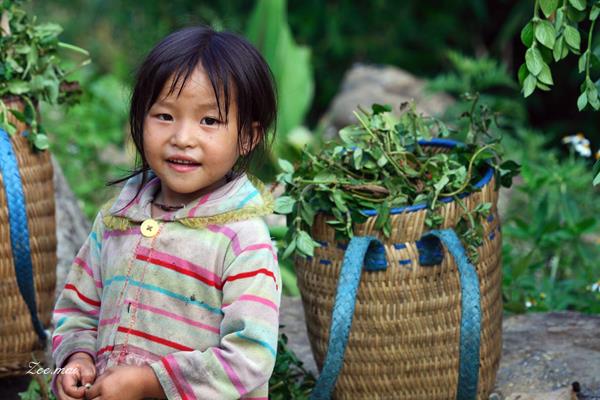
Sapa experiences four seasons in a single day. The morning is chilly, around 12–18°C—cold enough for a nice walk, though riding a motorbike feels unbearably freezing. By midday, the sun shines warmly, requiring just a jacket or a turtleneck sweater. It is fascinating how fog might completely shroud everything before you enter a restaurant, yet when you finish eating and step outside, the sky is clear and sunny; turn around once more, and fog covers the streets again.
Today, Sapa's appearance remains largely the same, with the main street bustling with tourists, more hotels popping up, and better hotel services. But after years of tourism development, many things have changed, and will inevitably continue to change as life moves forward.
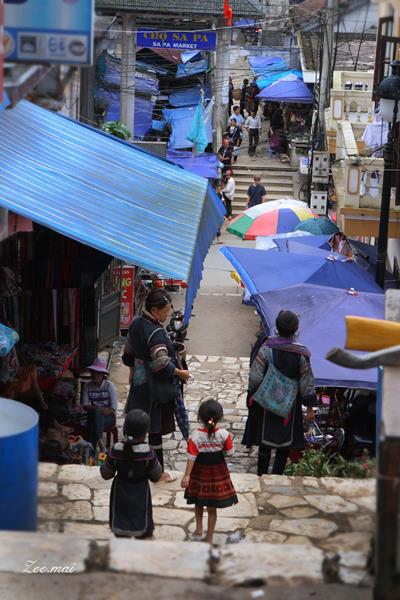
Completely different from other towns and villages in the Northeast or Northwest regions, tourism has altered the rhythm of life and the people here. Right in the town center, you will see many Black H'Mong and Red Dao ethnic people walking about, but nearly all hotels, shops, and houses in town are owned by Kinh people, with a tiny fraction owned by Westerners who fell in love with the living environment here and settled down, making a living running Western restaurants or bars.
Most H'Mong girls here speak and communicate in English quite well; even elderly women can chat and haggle comfortably with foreign tourists. A common sight is an old woman busily embroidering, looking up every now and then to offer visitors two dollars for a cute brocade pouch, or one dollar one photo to tourists taking pictures of her. Most amusingly, she might pull out a phone and chatter away animatedly in her native language to someone. You might also spot a Red Dao vendor right by the church square pulling out an iPhone to answer a call.
Sometimes, these changes are a good thing, as local lives have improved significantly. However, asking for money to take photos or overcharging customers are clearly changes brought about by tourism. Sapa is now flooded with Chinese souvenirs; even the brocade bags or straps are mostly machine-sewn and imported from China, with only a small portion being handmade.
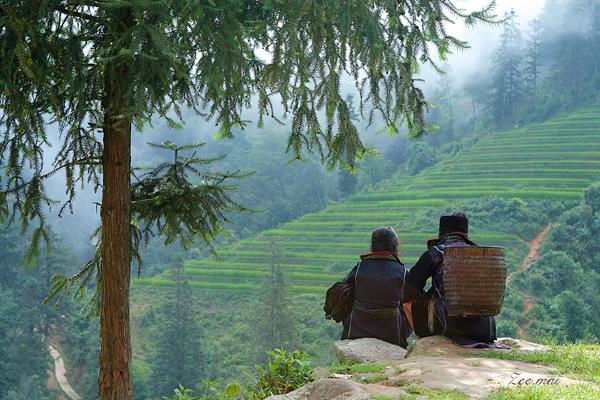
On the streets of Sapa, you there are occasionally mixed-race children with Western fathers and ethnic minority mothers—and of course, the fathers have long since vanished. Tourism has made Sapa more prosperous, but quite a few lives have been compromised in exchange. And only the local people truly understand the price that has been paid.
Yet many tourists still love Sapa for the wonderful things it offers. During the ripe rice season near harvest time, the landscape around Sapa is breathtaking. The best part is the peaceful feeling of sipping coffee at a café right on the main street, watching tourists stroll by while bustling H'Mong and Dao locals invite shoppers to buy their goods. The feeling of sitting in a restaurant overlooking a cliff face, as if clouds are about to touch you. The joy of strolling along Sapa's small streets at night with plenty of choices—either stopping by a cozy little pub by the fireplace listening to The Beatles, or diving into a club to drink beer and dance wildly to DJ music...
Transportation
Hanoi - Lao Cai: Train (overnight train, arrives in the morning)
Lao Cai - Sapa: Bus or taxi (40 minutes)
Motorbikes and bicycles can easily be rented in the town center for around 120,000 - 150,000 VND per day
What to See and Do?
Ta Van and Lao Chai villages are only 8 km from Sapa town center. Located in Muong Hoa Valley, their black-tiled houses are nestled among beautiful terraced rice fields. If you want to explore local life here, you can opt for homestay services. The best season to visit is from August to October.
If you have extra time and enjoy riding along mountain passes, you can travel further to Ban Ho, 25 km from the center. On the way, you can stop at Cau May (Rattan Bridge) and Bai Da Co (Ancient Carved Stones area, though it's a tourist spot with nothing particularly exciting).
Some sightseeing spots around Sapa: Cat Cat Village, Ta Phin, Silver Waterfall (Thac Bac); those wanting to test their endurance can climb Fansipan Peak...
In the evening, you can just wander around the main streets, sit at cafes, or hang out eating grilled sweet potatoes, grilled corn, grilled meat, and bamboo-cooked sticky rice (com lam). Or late at night, head into a bar for a beer; opposite Holiday Sapa Hotel is a newly opened club that is lively at night...
Food and Dining
Dining in Sapa is very easy, ranging from Western dishes to Vietnamese food, as well as ethnic specialties. When visiting the Northwest, don't forget to try local delicacies such as cap nach pork (armpit pig), black chicken, and thang co (a horse meat/offal stew, best enjoyed in Lao Cai). In particular, you should try Sapa salmon; it shouldn't be eaten raw as it isn't as sweet as Japanese salmon, but it makes a quite delicious hotpot.
Accommodation
Hotels around town come in all varieties: Muong Hoa, Darling, Holiday Sapa, Chau Long... Chau Long and Holiday Sapa are good choices, but try not to stay in basement rooms. The best feeling is opening the window to let the cool breeze rush in—so pleasant and peaceful.
[i]Source: Collected[/i]



 A fair restaurant review: seven questions to answer before you give a score
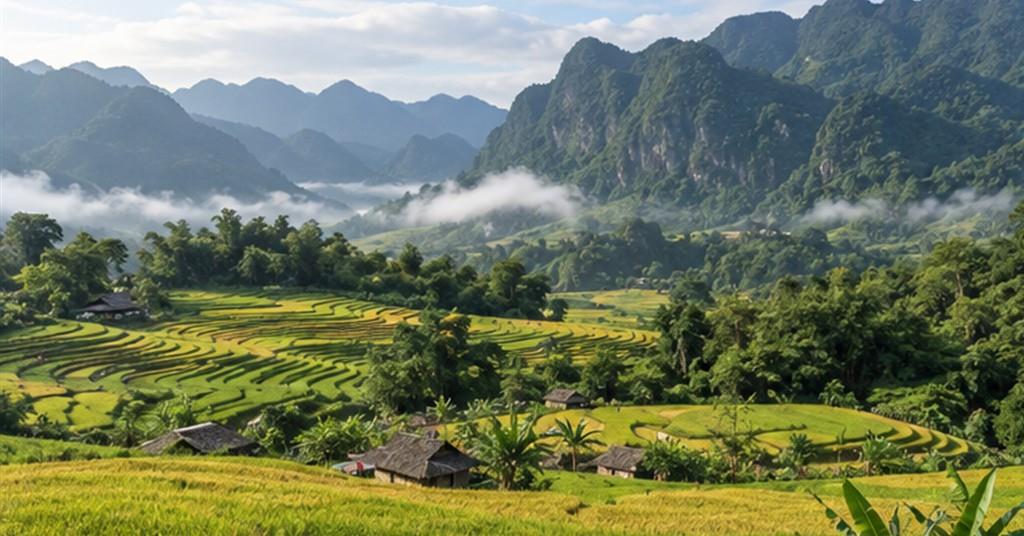 A first trek in Pu Luong: pick a route you can manage and walk it responsibly
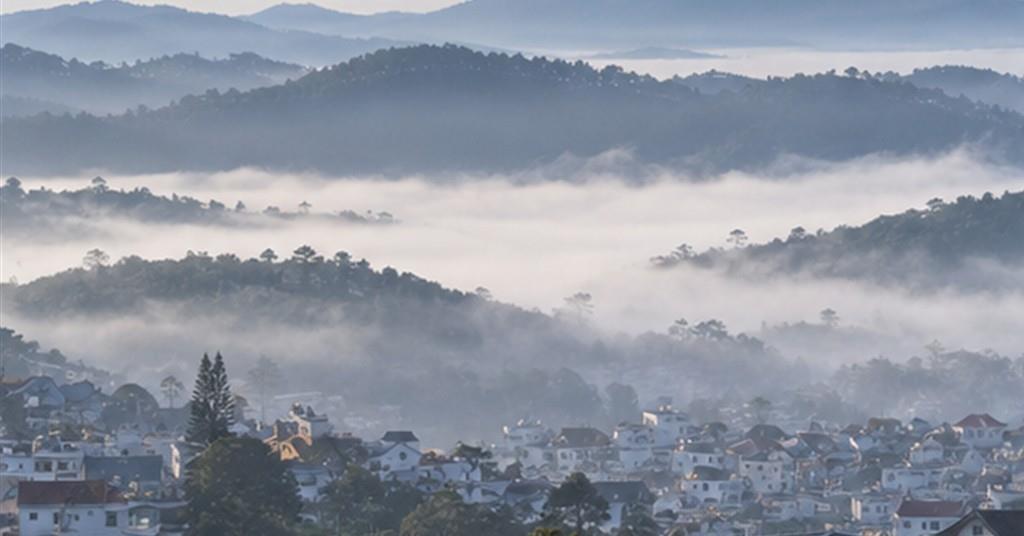 Da Lat without chasing sights: a slow three-day plan with room to breathe
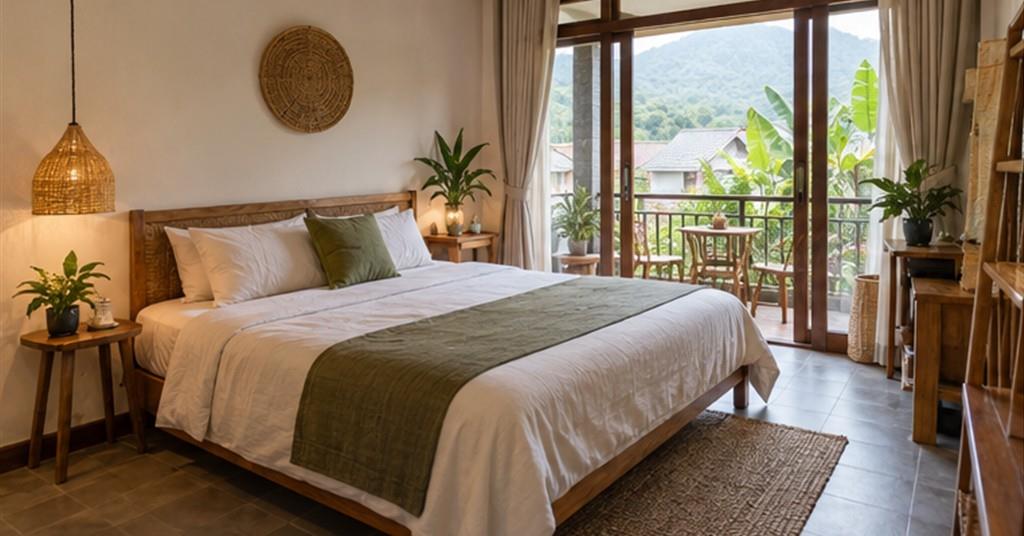 Is a homestay worth staying in? Do not judge by the pretty room alone
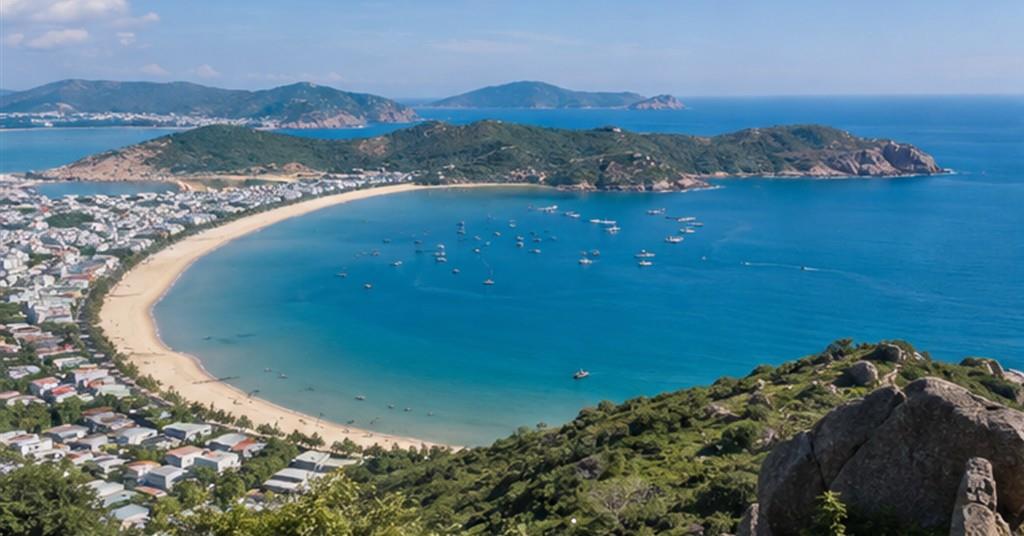 Three days in Quy Nhon: a plan for the sea, a fishing village and a real rest
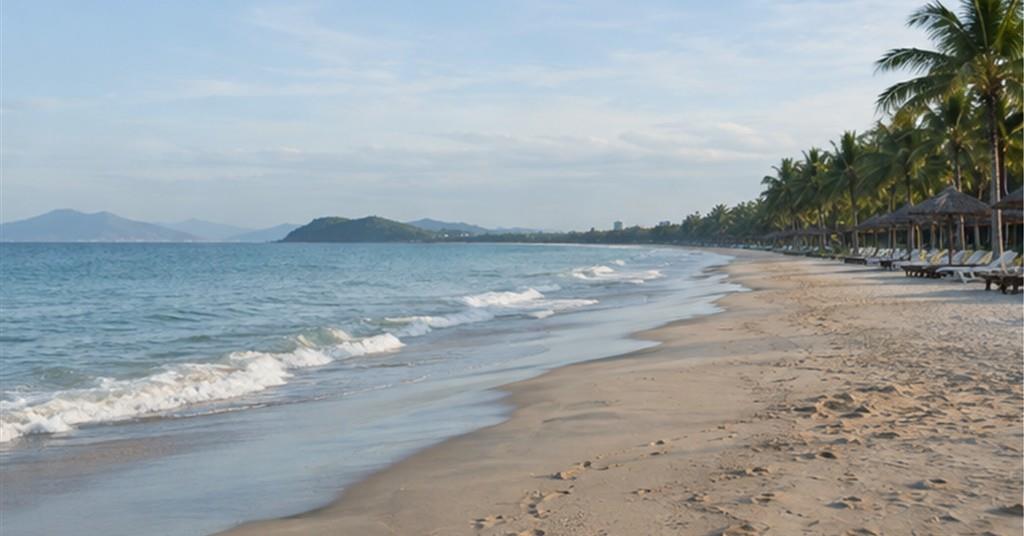 Central Vietnam's beaches after high season: quieter, but what should you watch for?
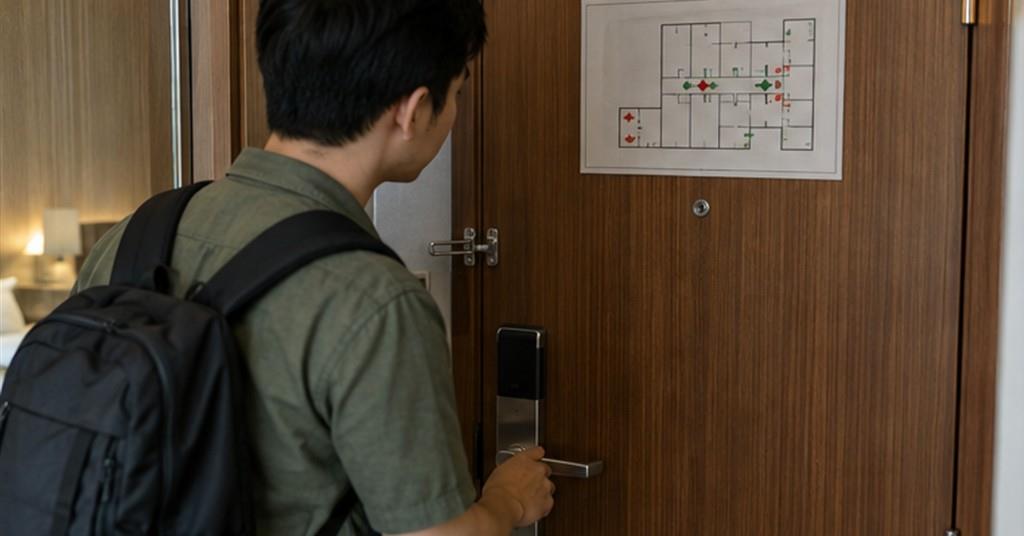 Checking into a hotel: 12 things to look at before you open your luggage
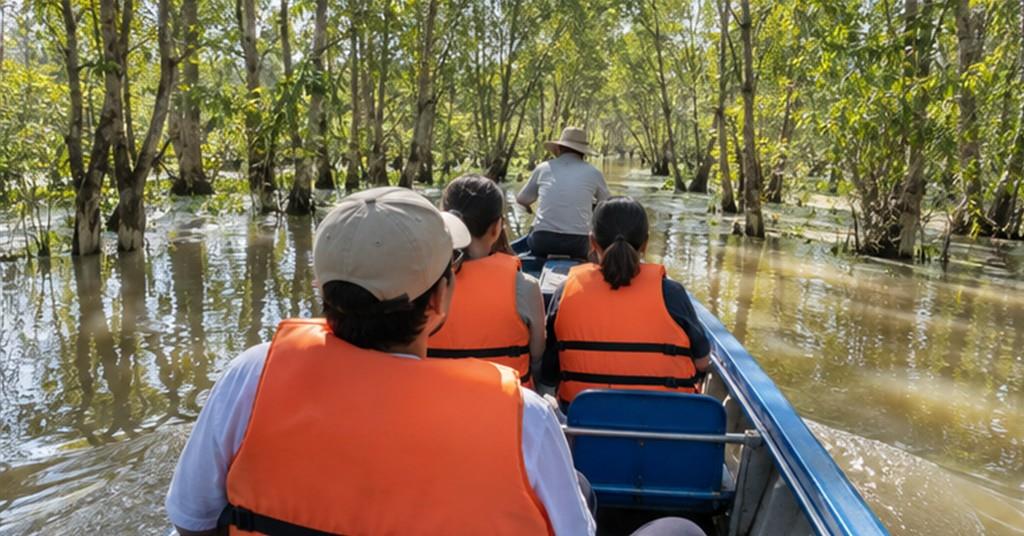 Visiting the Mekong Delta in the flood season: what to prepare for a safe and decent trip
Đăng nhập để bình luận: / Sign in to comment: