



12 Common Travel Scams and How to Spot Each One
Most travel scams are not sophisticated. They repeatedly follow a few old patterns, and the reason they remain effective is that the targets are tired, rushed, or overly relaxed and off their guard. Knowing these patterns in advance is the cheapest form of defense.
1. Unusually Cheap Travel Packages on Social Media
Newly created fanpages, glittering resort photos stolen from elsewhere, prices 40 to 60 percent lower than the market rate, and urgent demands for a deposit because there are only 2 spots left.
Warning signs: the page lacks a long history of activity, comments are turned off or consist only of repetitive praise, and the recipient account is a personal account rather than a corporate one.
How to verify: search for the resort's name on a map and call their publicly listed phone number directly to ask if they have such a promotion. A two-minute phone call is enough to eliminate most of the risk.
2. Non-existent Homestays
Beautiful photos and detailed descriptions, but vague addresses like near the center without a street number. Upon arrival, you discover no such place exists, and the account owner has blocked all contact.
How to verify: ask the host to send a new photo holding a piece of paper with today's date written on it. Scammers using stolen photos won't be able to do this. Additionally, paste the address into a map to check if it's a genuine residential area.
3. Long-routing Taxis and Rigged Meters
This often happens on routes from airports or bus stations to the city center when travelers are unfamiliar with the roads.
How to prevent: open a map app on your phone and keep the screen lit right from the moment you get in. As long as the driver sees you tracking the route, most will stick to the right path. Prioritize ride-hailing apps since the fare is locked in advance.
4. Touts at Bus Stations and Train Stations
Strangers approach you proactively, claiming your bus has been canceled or your booked guesthouse is fully booked, then guide you to another option at a much higher price.
Golden rule: never trust cancellation claims from strangers on the street. Call the transport operator or your accommodation directly to confirm.
5. Short-changing during Currency Exchange
Occurs when exchanging foreign currency at unauthorized spots. The exchanger counts quickly, shortchanges you by a bill or two, or slips low-denomination bills into the middle of the stack.
How to prevent: only exchange money at licensed banks or gold shops. Recount your cash right on the spot before leaving; don't be afraid to take your time.
6. Aggressive Hawking at Tourist Attractions
Sellers thrust items into your hands, claim it's a gift, and then demand money once you're holding it. Or they offer to take your photo and then demand a fee.
How to prevent: do not accept anything handed to you. If you accidentally take it, return it immediately and keep walking; do not stop to argue.
7. Fake Entry Tickets
Sold right outside the gates at a cheaper price and printed to look authentic. You only realize it's fake when you reach the ticket scanner.
Golden rule: only purchase tickets at official booths on the premises or through the managing organization's official ticketing site.
8. Group Tours Turning into Shopping Trips
The tour price is surprisingly cheap, but the actual itinerary spends most of the time at commission-paying stores, while main attractions get only a fifteen-minute stop.
How to check: request a written itinerary clearly specifying the duration at each spot before paying a deposit.
9. Motorbike Rental and the Damage Claim Trap
The vehicle is handed over with existing scratches or mechanical flaws. Upon return, the owner blames you and demands repair money.
How to prevent: before leaving the shop, record a video of the entire vehicle, clearly capturing the odometer reading and the engine sound. Keep that video until the bike is safely returned.
Do not leave original personal ID documents as collateral if you can negotiate using a cash deposit instead.
10. Deposit Paid, Extra Fees Extorted
After you transfer the deposit, the other party informs you of extra weekend surcharges, holiday fees, or third-guest fees. Your deposit becomes leverage to trap you.
How to prevent: before paying the deposit, text them asking clearly, What is the total amount payable, and does it include all fees? and save their reply.
11. Fake Public Wi-Fi Networks
A Wi-Fi hotspot is set up with a name similar to the venue's or airport's network. Once connected, the creator can monitor the data you send.
How to prevent: ask staff for the exact network name. Never log into your bank accounts while on public Wi-Fi; switch to mobile data for sensitive tasks.
12. Impersonation Calls While You Are Away
Scammers call to report that your relative has met with an accident, or impersonate hotel staff claiming a card transaction failed and ask you to re-read your card number.
Ironclad rule: never disclose card numbers, OTP codes, or passwords to anyone calling you. Hang up and call back using a number you look up yourself, not the one provided by the caller.
What to Do if You've Been Scammed
- Screenshot all messages, account numbers, phone numbers, and page links. Do not delete anything.
- If you just made a bank transfer, report it immediately to your bank; the sooner you report, the higher the chance of freezing the funds.
- Report the incident to the police where you reside or where the incident occurred.
- Post a warning on forums to help others avoid the trap. Remember to censor your own personal information.
One Rule to Remember
Almost every scam relies on pressuring you to make an urgent decision. When someone creates time pressure, that is precisely the moment to pause and verify. Being ten minutes slow has never ruined a trip, but rushing for ten minutes certainly can.



 Da Lat without chasing sights: a slow three-day plan with room to breathe
 Is a homestay worth staying in? Do not judge by the pretty room alone
 Three days in Quy Nhon: a plan for the sea, a fishing village and a real rest
 Central Vietnam's beaches after high season: quieter, but what should you watch for?
 Checking into a hotel: 12 things to look at before you open your luggage
 Visiting the Mekong Delta in the flood season: what to prepare for a safe and decent trip
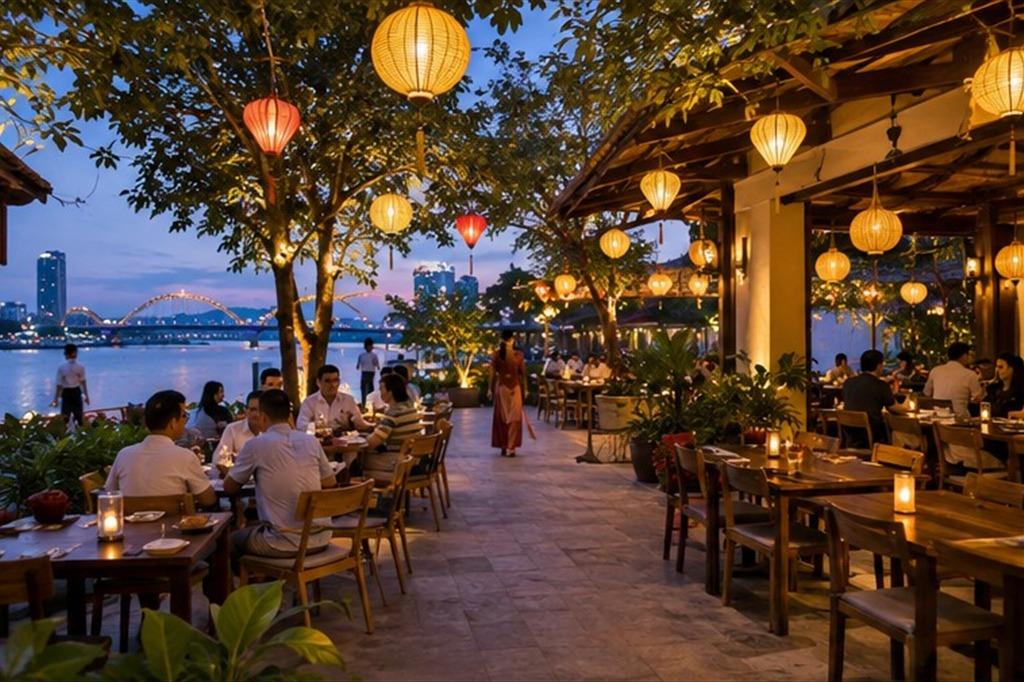 Madame Lan review, Da Nang: a Vietnamese meal by the Han river that suits families and larger groups
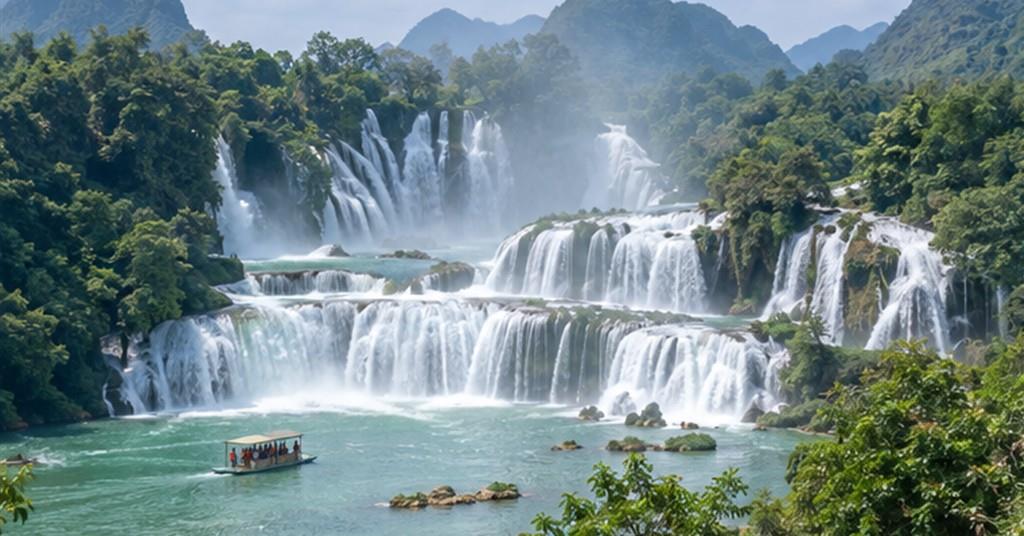 A weekend in Cao Bang: which route keeps you from getting worn out?
Đăng nhập để bình luận: / Sign in to comment: